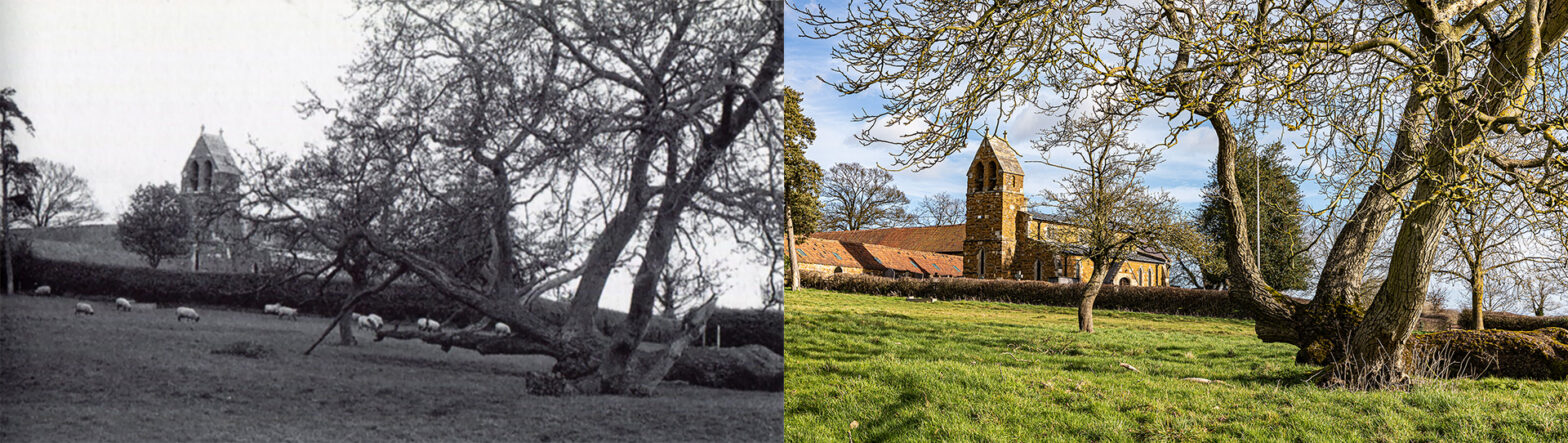
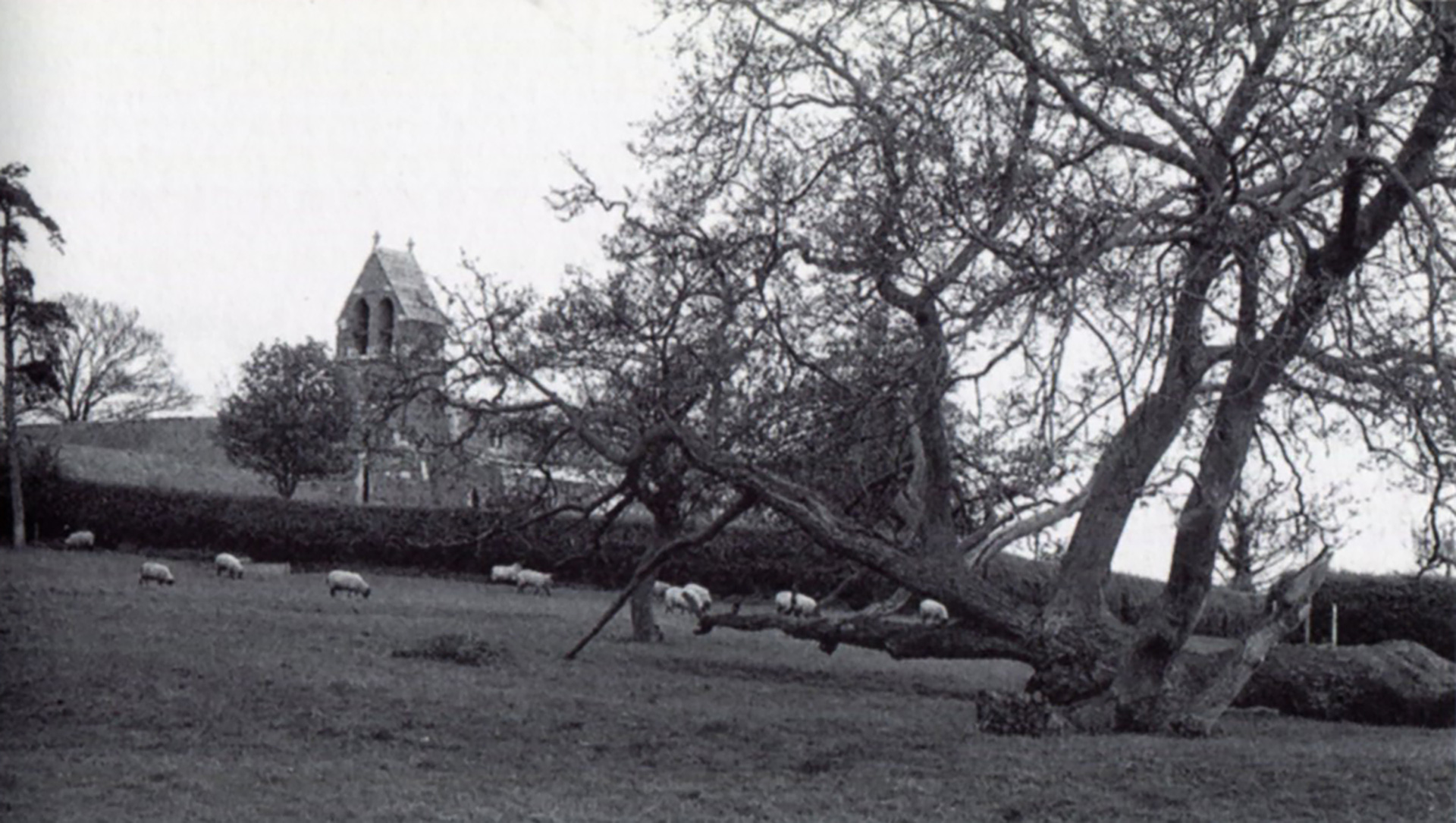
Saint Michael and All Angels’ Church – 1970s
The small village of Wartnaby, drenched in medieval history, is a hidden gem tucked away slightly downhill to the south from what is now a relatively busy road. In the past, this road was known as the Saltway, an old way which ran along the southern edge of the Wolds, linking the settlements of Grimston, Saxelby, Wartnaby, Wycomb and Chadwell. These villages were part of the medieval Rothley soke; Rothley, a village within the Borough of Charnwood, further west in Leicestershire.
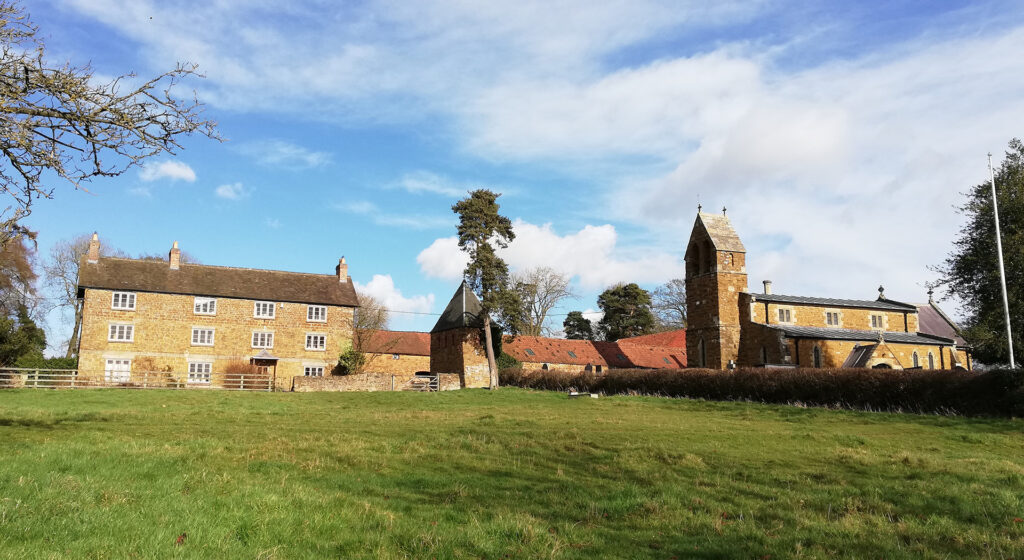
The church of Saint Michael and All Angels sits at the eastern end of Wartnaby, consisting of houses clustered about a meeting of tracks leading to the neighbouring villages. The church, a 13th-century Grade II listed building, is surrounded by pastures and lies adjacent to Church Farm, consisting of a late 18th, early 19th-century farmhouse, stables, a granary, a cart shed, a barn and a dovecote.
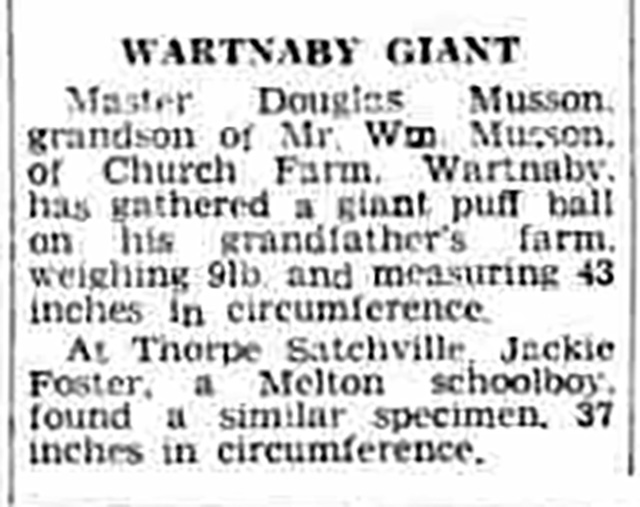
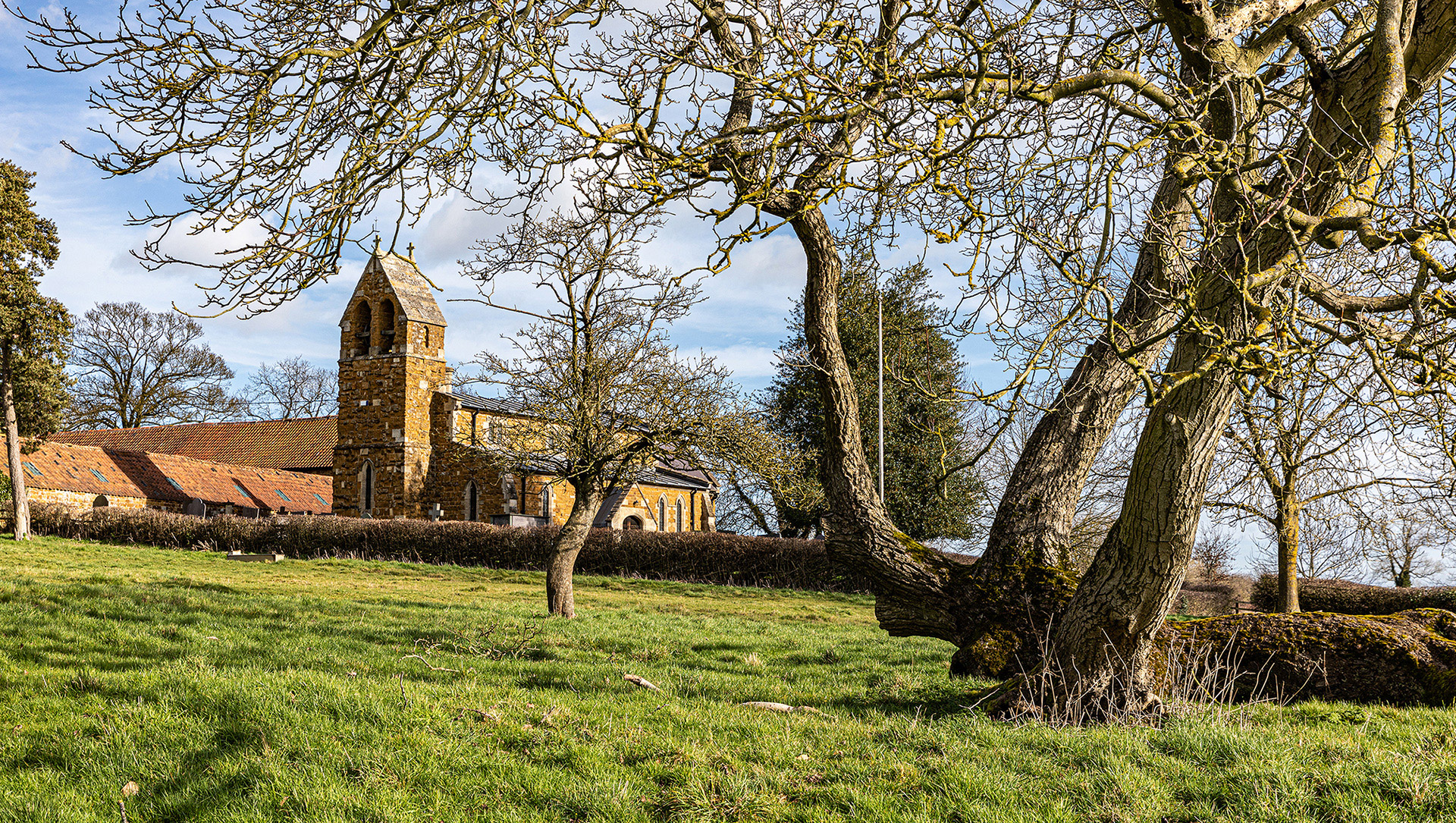
and Saint Michael and All Angel’s Church
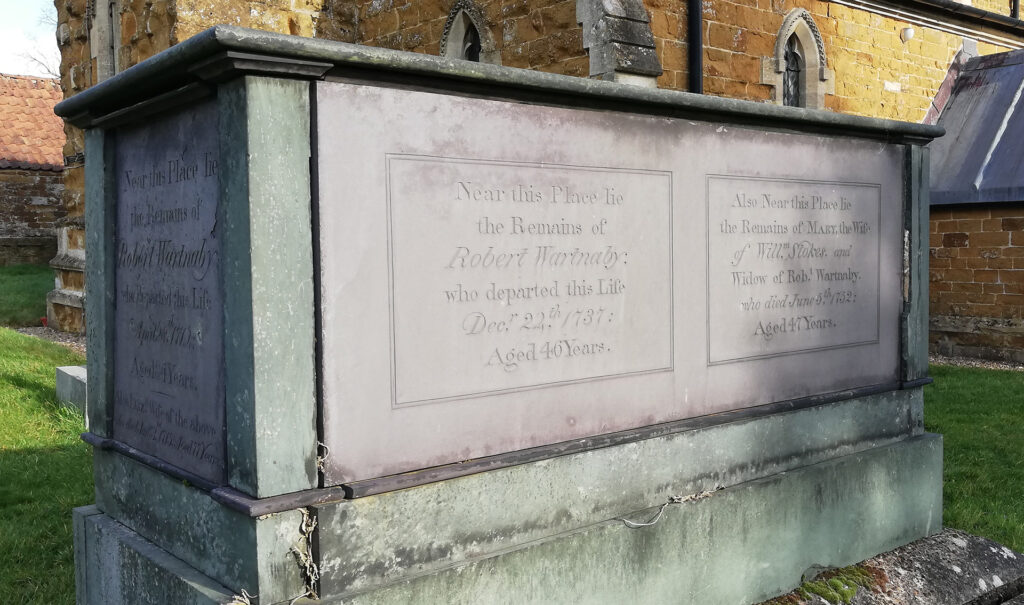
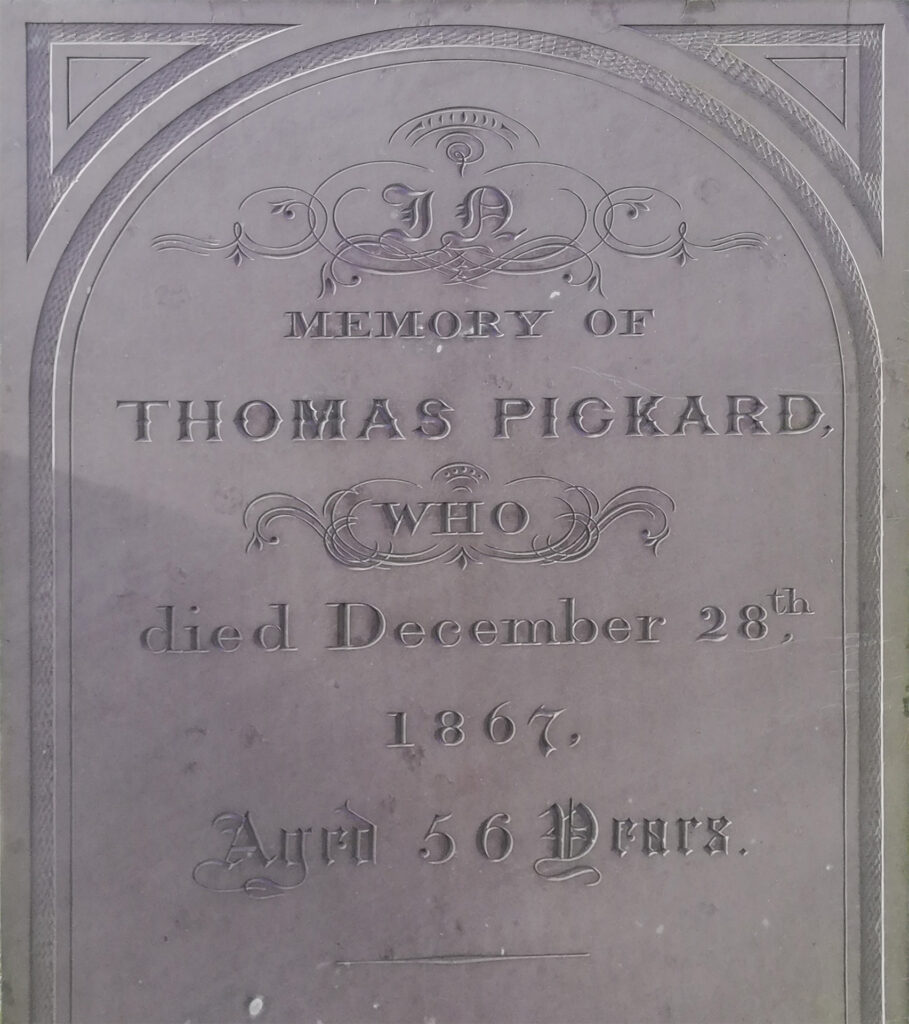
As part of railings running down the side of the main street, a wrought iron kissing gate provides access to the public footpath that leads to the church. Despite their poor condition, the railings are an important and attractive part of Wartnaby’s historic street scene. In what looks like an old orchard, in the old picture, sheep are grazing. Nothing much has changed. A few thick branches of an awkwardly shaped tree in the front are drastically pruned. Also, the tree to the left of the church tower has been felled. Behind the hedge lies the church graveyard, with some chest tombs (link 1 and link 2) and dozens of tombstones referring to the families who lived in the village for centuries: the Wartnabys and the Pickards.
On the village
Wartnaby was, as a part of the Rothley soke, linked to the Knights of the Hospitallers, also known as the Knights of St. John of Jerusalem. In 1313 the Hospitallers took possession of the Knights Templar’s belongings, including the Preceptory at Rothley. The Knights of St. John held Rothley from 1313-1540, when their possessions were lost to the crown, during the so-called ‘Dissolution of the Monasteries’. The ancient soke of Rothley, including Wartnaby, passed into private hands and belonged to the Babington family from 1552 until 1865. In 1865 Wartnaby and nearby Grimston became a separate parish with Wartnaby as the parish church, both under the ownership of Francis Reckitt. This arrangement stood until 1931. Now Wartnaby is part of the Ab Kettleby parish.
Would you like to add your story and recollection? Leave a comment at the bottom of this page or send a message.
More pictures
Would you like to add pictures? Send a message.
Domesday Book
Wartnaby was a settlement in Domesday Book, in the hundred of Goscote and the county of Leicestershire.
It had a recorded population of 22.9 households in 1086, putting it in the largest 40% of settlements recorded in Domesday (NB: 22.9 households is an estimate, since multiple places are mentioned in the same entry).
Land of King William
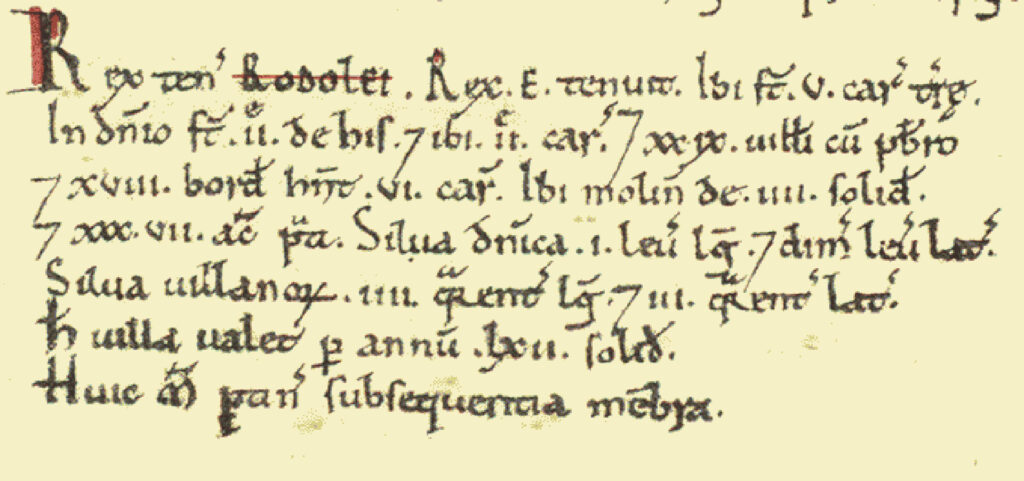
- Households: 186 villagers. 204 freemen. 112 smallholders. 1 priest.
- Ploughland: 2 lord’s plough teams. 88 men’s plough teams.
- Other resources: Meadow 176 acres & 3 * 1.5 furlongs mixed measures. Woodland 3 * 3 furlongs & 5 acres; 1 * 0.5 league & 4 * 3 furlongs mixed measures. 6 mills, value 17 shillings.
Valuation
- Annual value to lord: 34 pounds 10 shillings in 1086.
Owners
- Tenant-in-chief in 1086: King William.
- Lord in 1086: King William.
- Lord in 1066: King Edward.
Links
- Historic England Archive – Architectural Red Box Collection
- British History Online – House of Knights Templar: Preceptory of Rothley in A History of the County of Leicestershire: Volume 2. Originally published by Victoria County History, London, 1954.
Would you like to add a link? Send a message.