Burrough Road – 1905
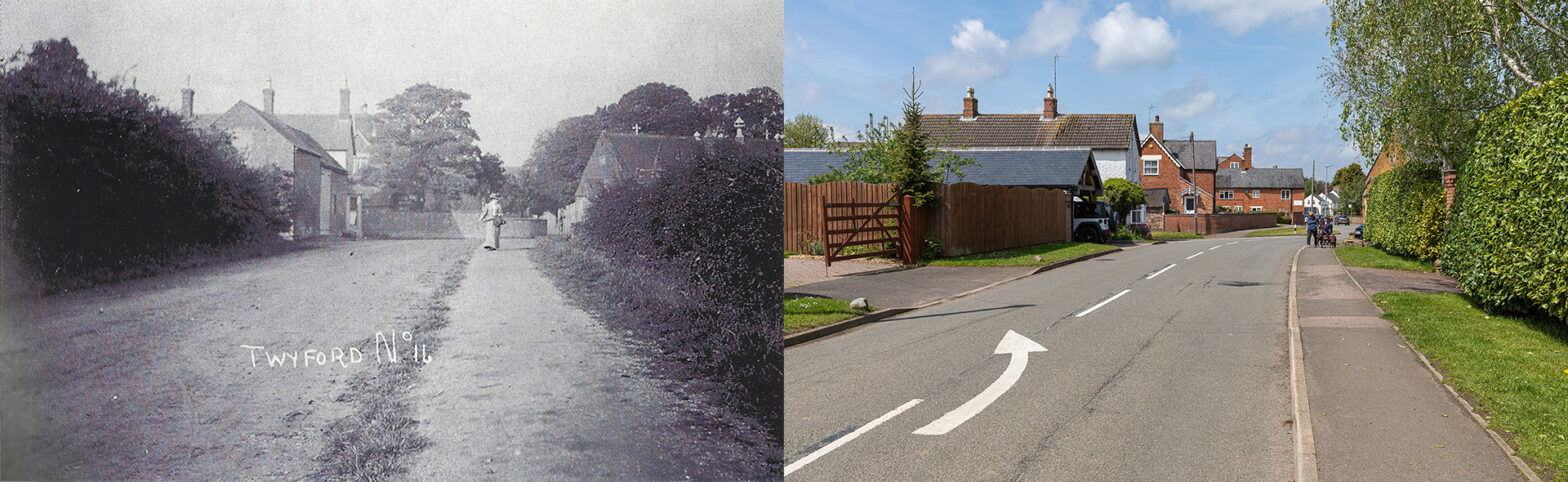
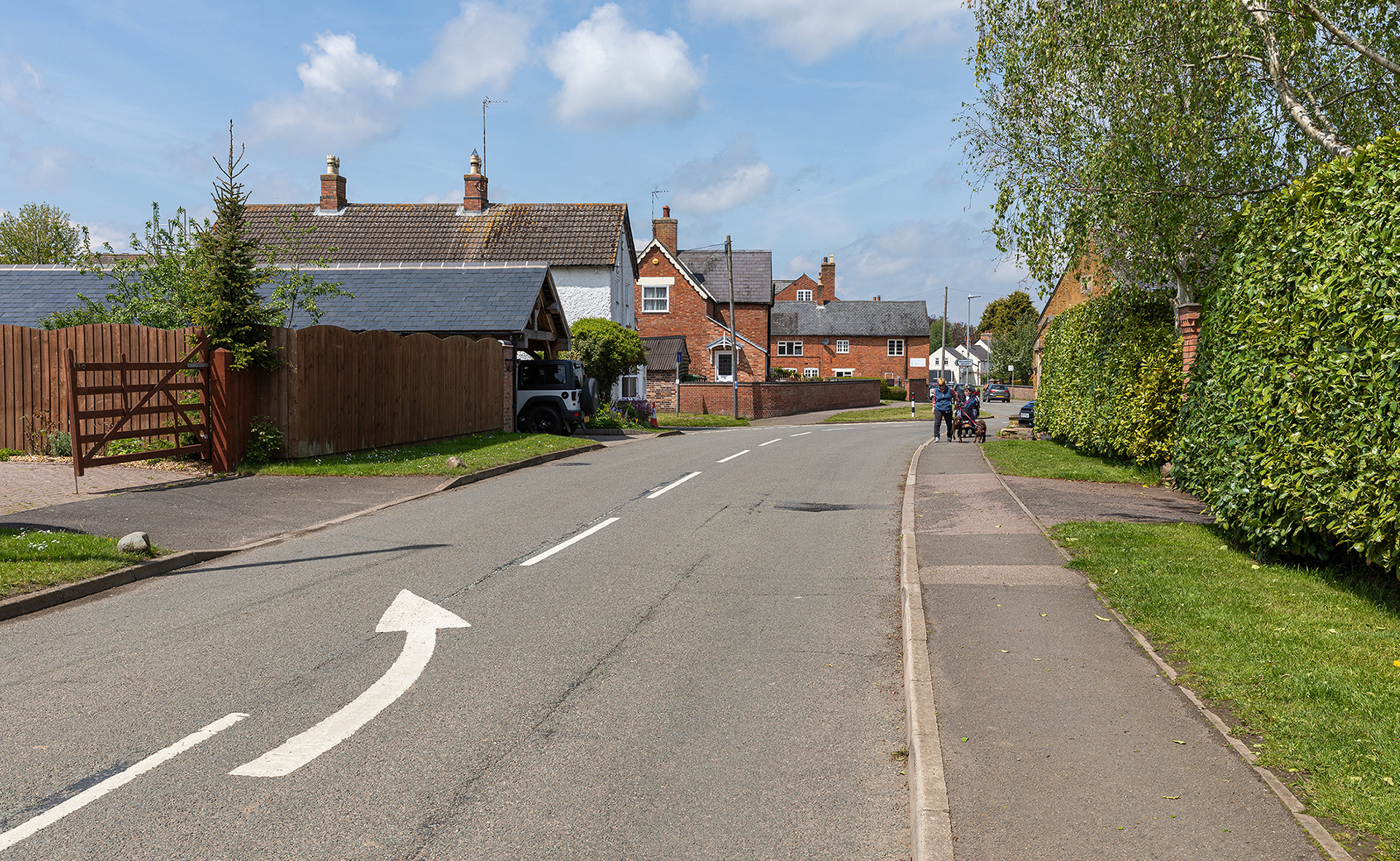
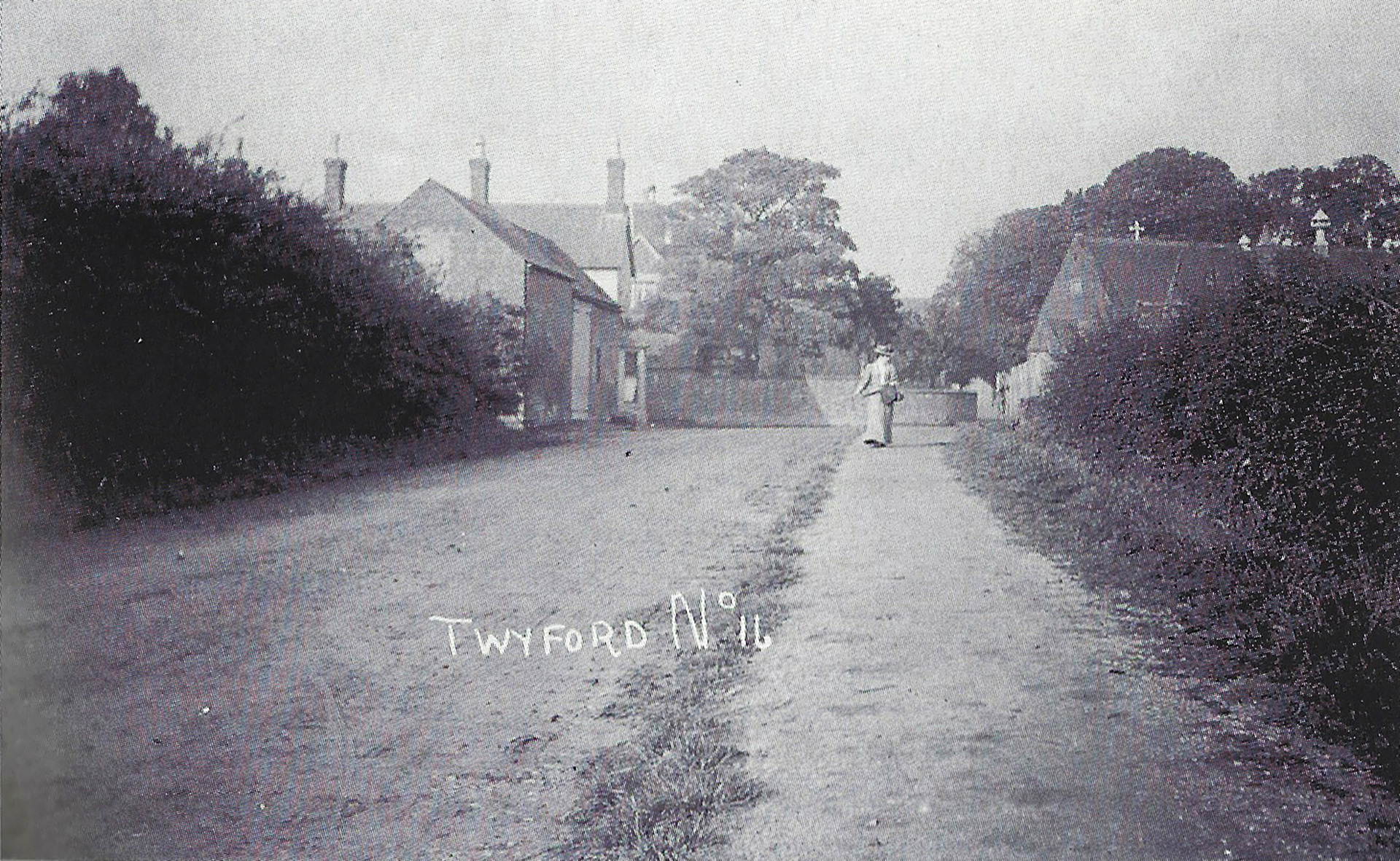
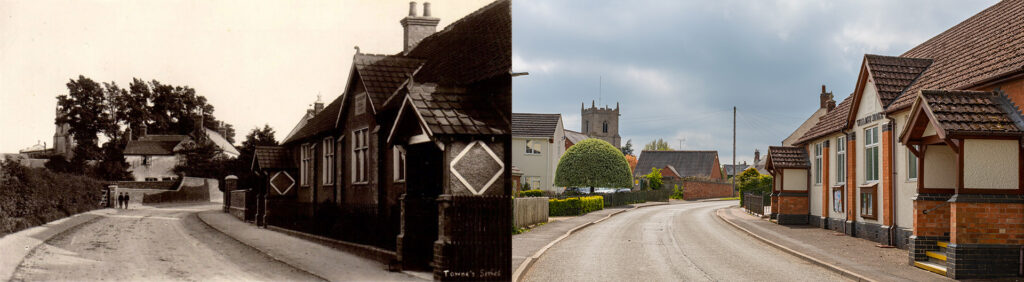
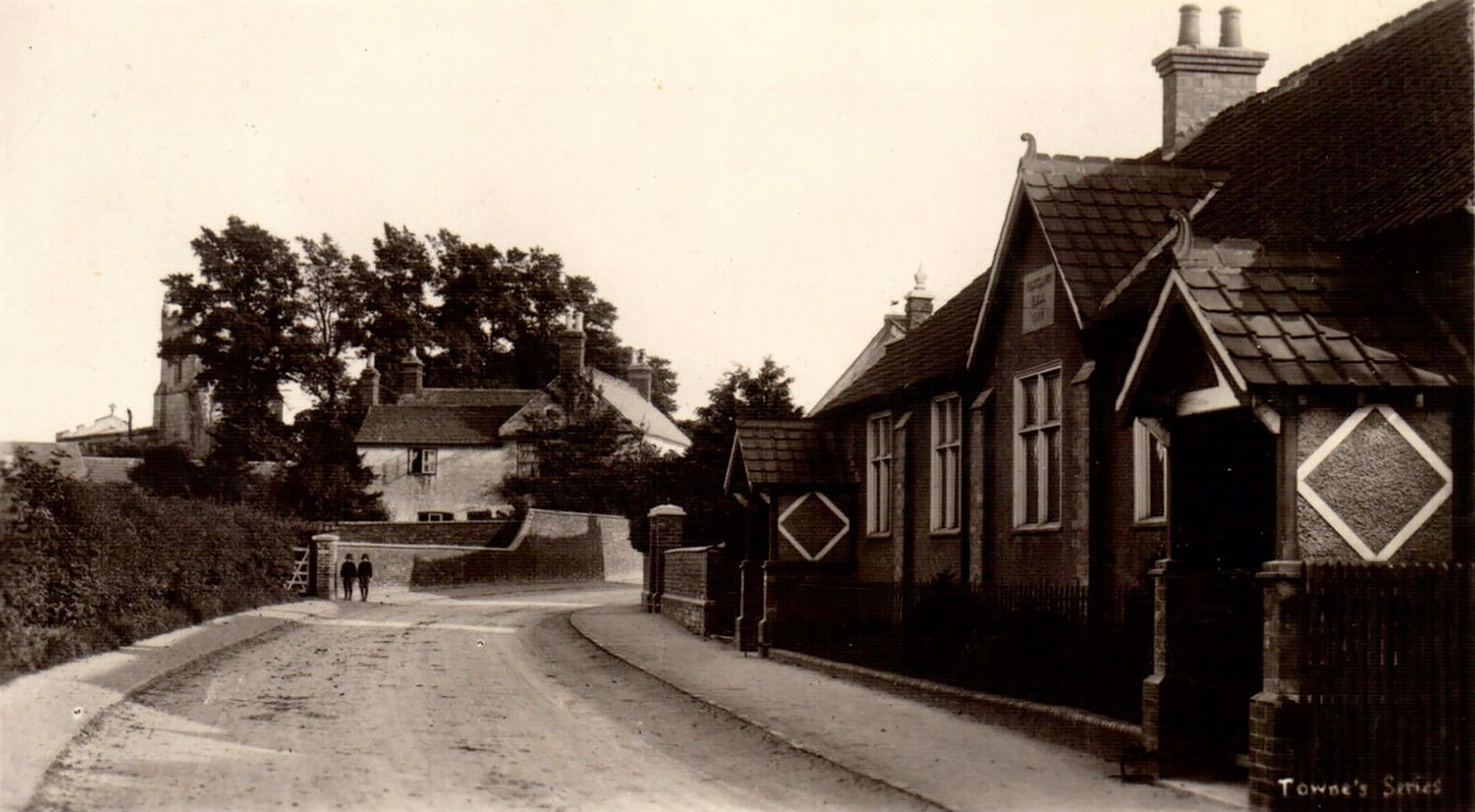
On a summer day, a nicely dressed woman walks on the footpath of Burrough Road, still a dirt road. To the left is White House Farm, opposite the old National School. Behind the curved brick wall, a tree obscures Mr. White’s Farm. More than 100 years later two women are coming my way. After I explained my mission, they very well remember who lived in White House Farm in the 1990s. It was Peter Dalton who told the story about his time at Brooksby Agricultural College (Melton Times of June 10th). Peter was born in Grimston where his parents had Church Farm. In 1934, when he was 7, he moved to Twyford’s White House Farm, one of the 11 farms in the village. “When we got there, the village had no sewers, no running water, and no gas. It was the year electricity came to Twyford”, Peter says. He helped his father on the farm until he injured his back. That was before World War II.
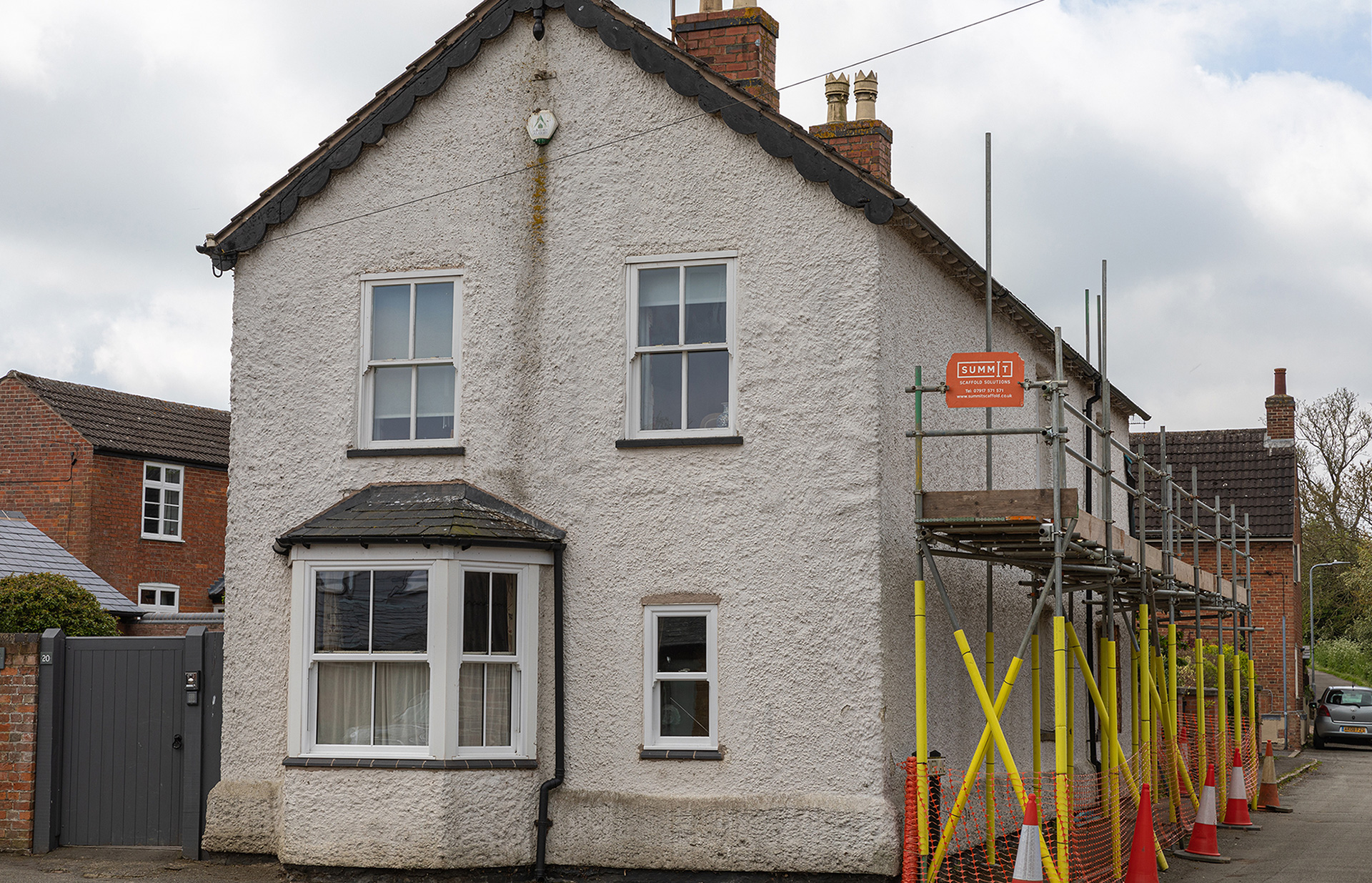
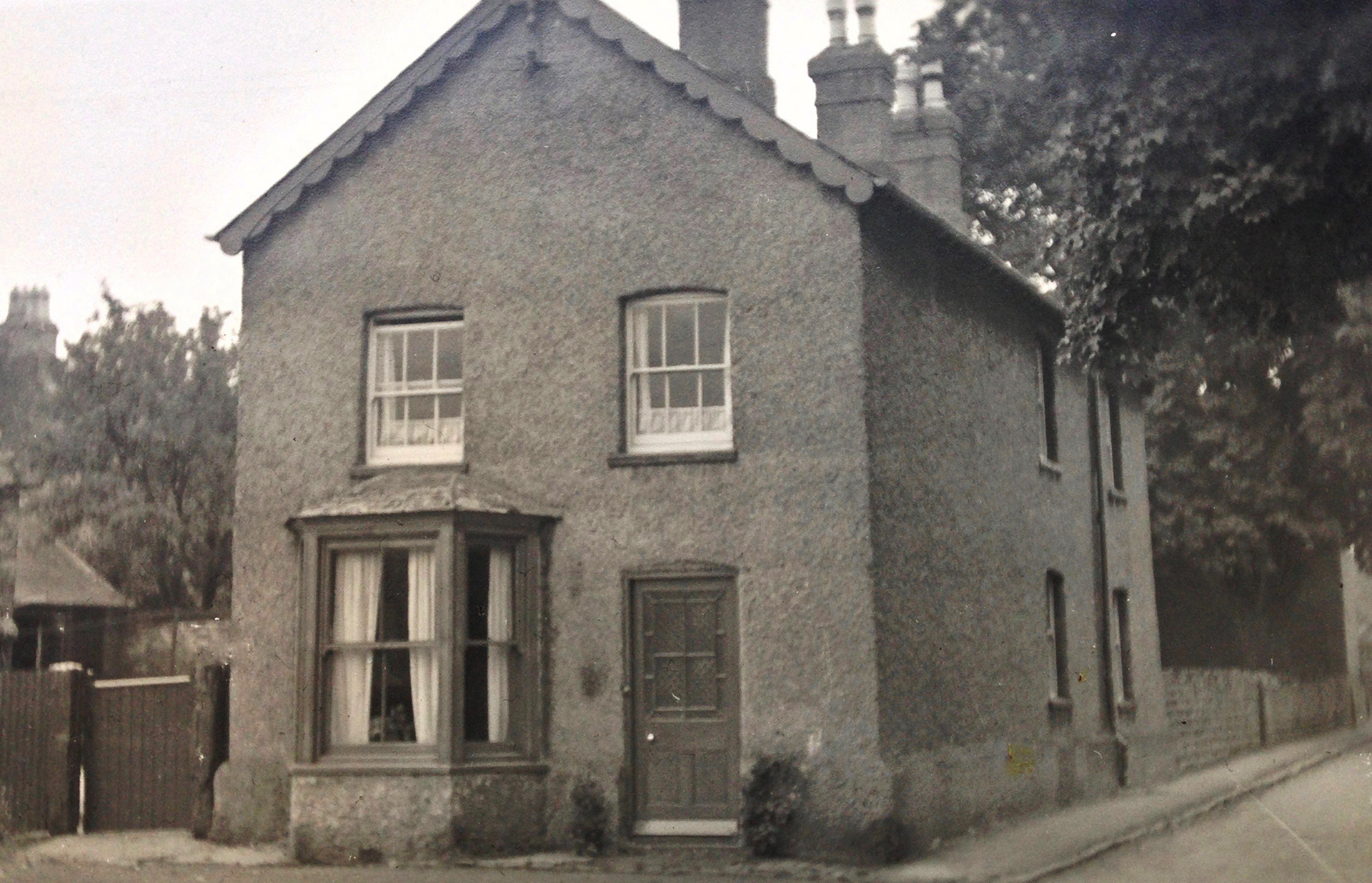
“The National School was built in 1845 and closed in the 1930s, to reopen from 1941 to the end of the war”, Peter recalls. “It was sold to become a private house.” The building is made of ironstone ashlar and brick with limestone dressings and a patterned tile roof. There is a recessed datestone inscribed ‘MDCCCXLV’ and a tablet inscribed ‘National School’.
Behind the hedges were cowsheds, milking parlours and pastures for cattle and sheep of White House Farm, with a now demolished barn on the left.” Lowesby Lane, behind the house, serves six houses and the village recreation ground. “Thinking about the place, a big lump comes into my throat. Twyford is still home, even though I don’t live there anymore.”
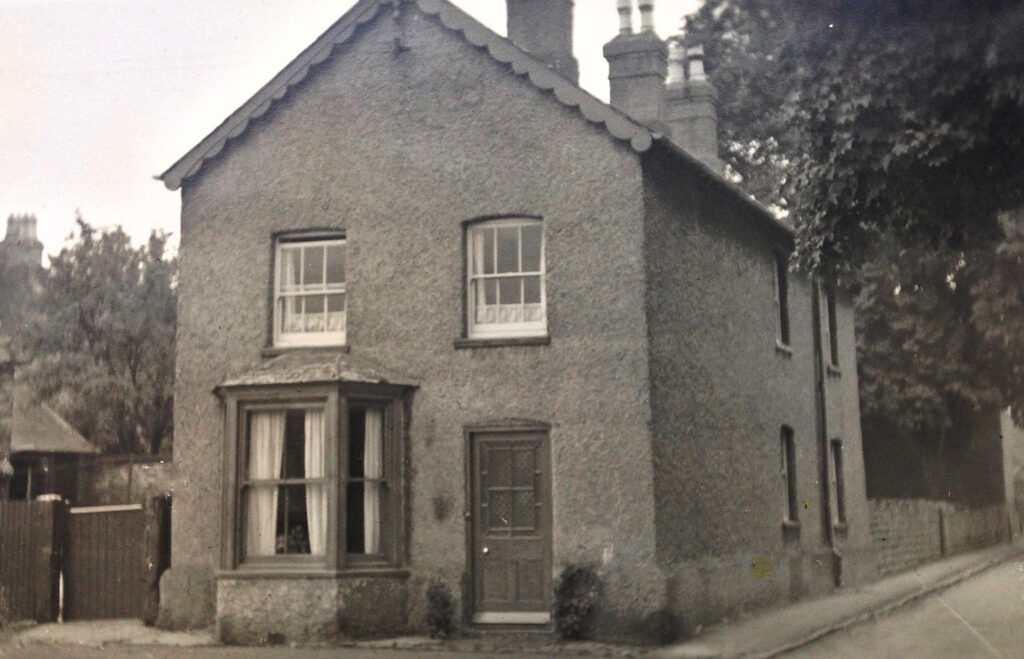
“For me too”, says his daughter Annmarie who lived in Brook Cottage in Post Office Lane from 1951, when she was born, until 1958, when she left with her parents and brother. “My Grandpa’s farm was quiet and very orderly. Farm life meant a set routine of meals depending on the farm work. He got up at 5 am to milk the cows. Big breakfast was at 8 am, lunch at 12.30 pm after the farm chores and ‘tea’ (dinner) was about 5.30 pm. A light supper at 9 pm ended the day.”
Main Street
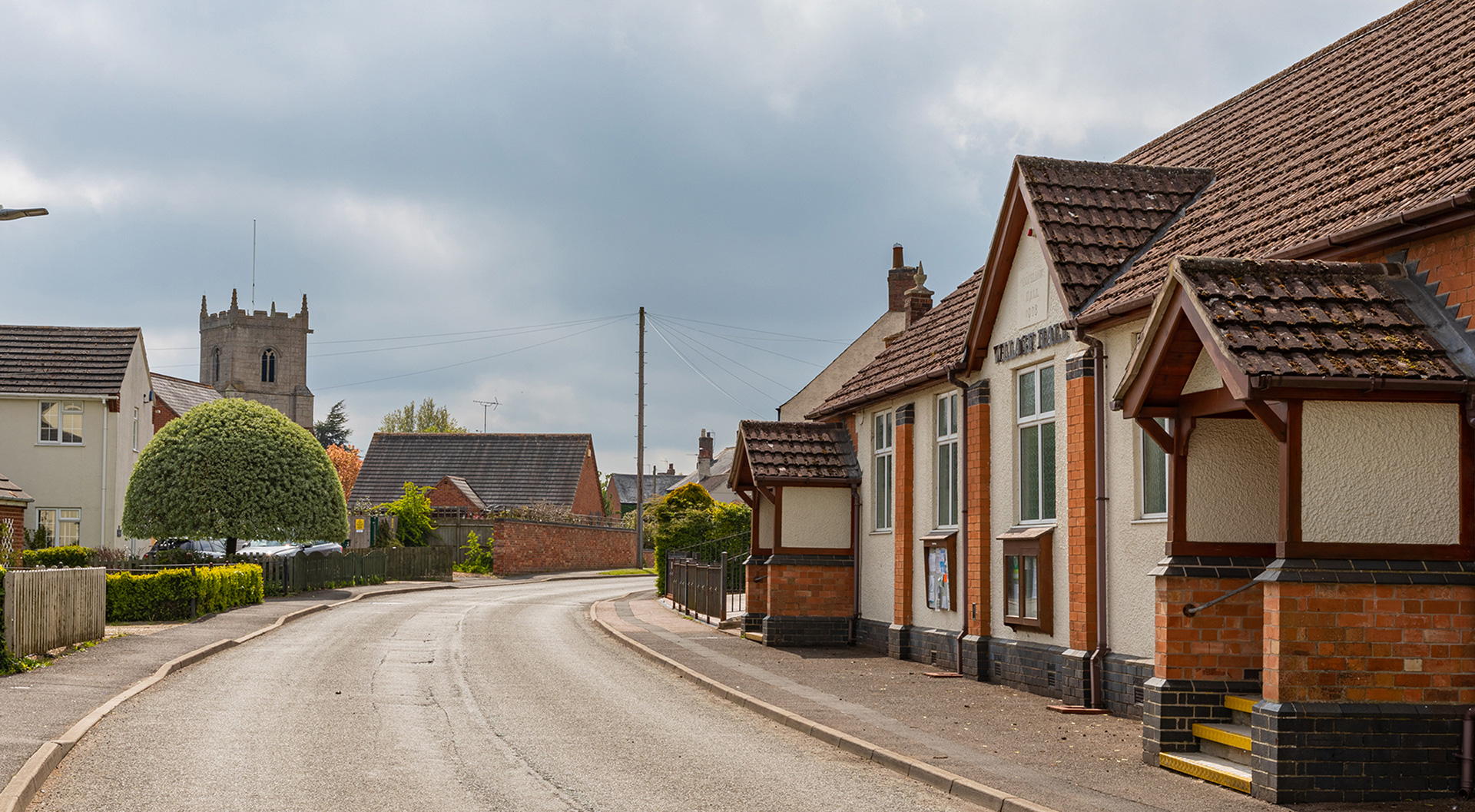
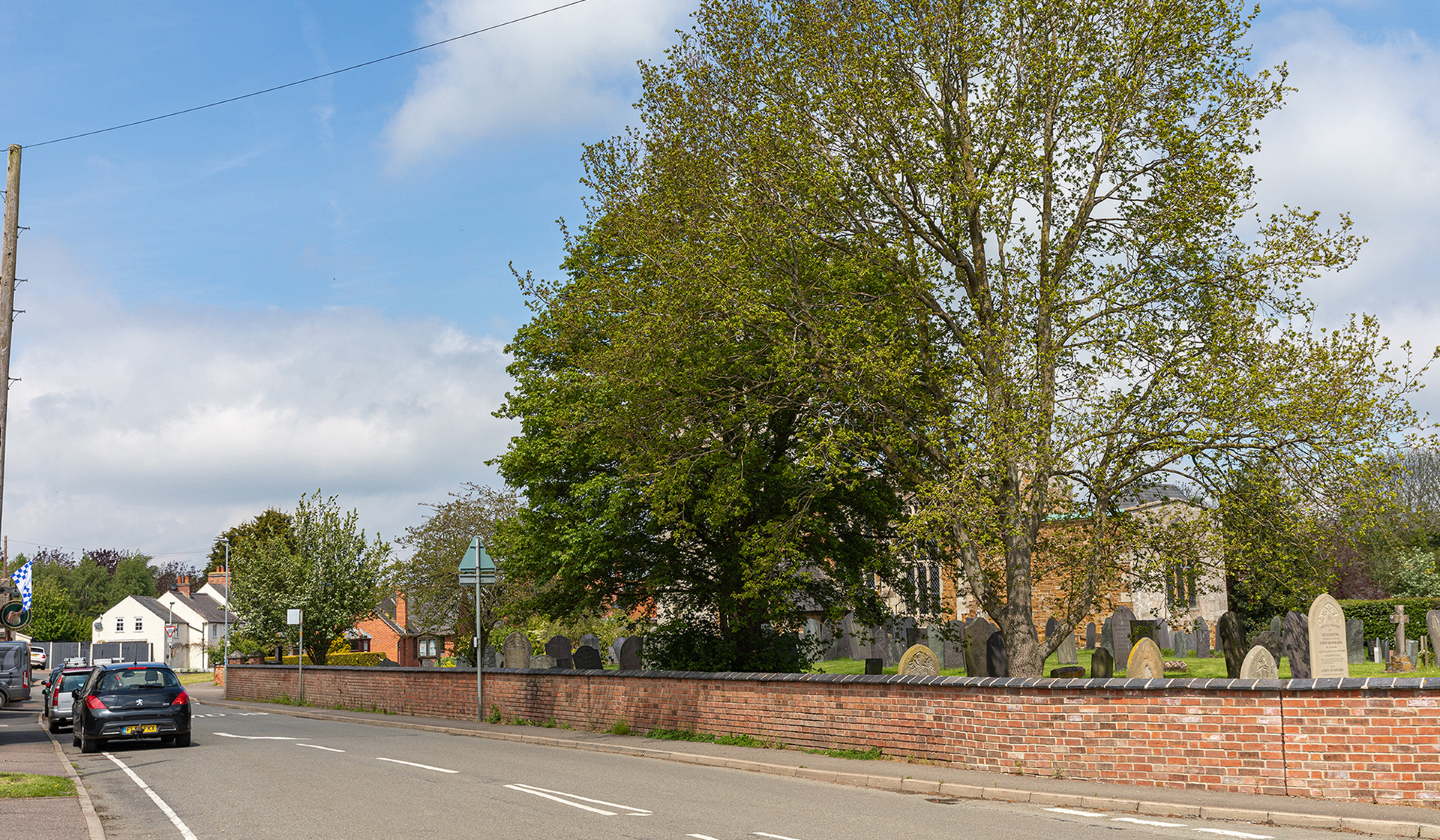
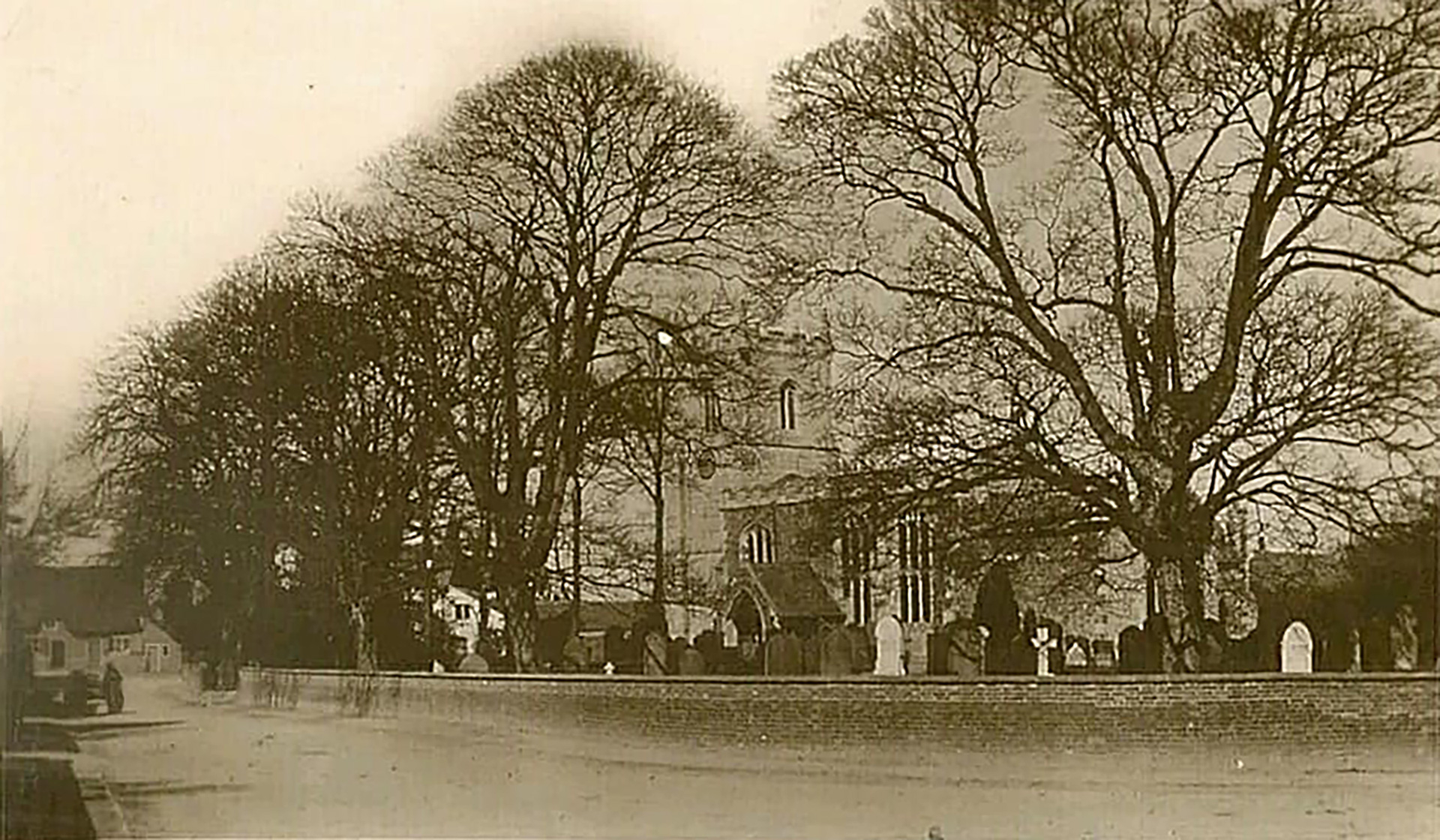
In the old postcard, dated 1910, a big tree obscures the church. The house at the back was a farm owned by Sam Queenborough and later his son John who sold it. The farm was demolished and replaced by a small estate, about 8 houses. On the right stands the Odd Fellows Hall, built in 1908. It is now the village hall.
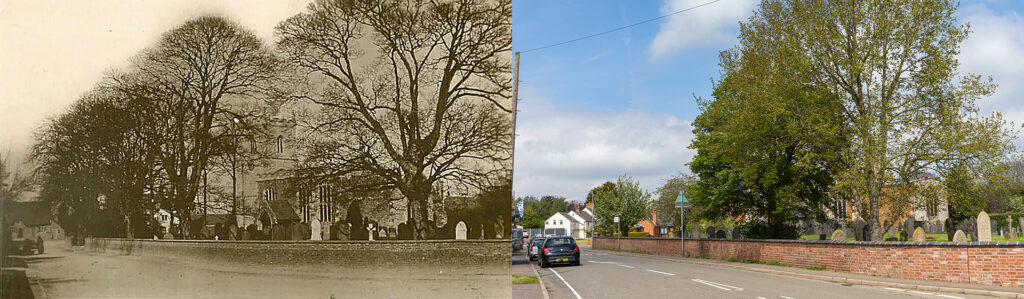
Mr Edwards lived in the thatched cottage on the end, which can be seen on the old postcard. Peter: “It was a one-up one-down, no toilets or anything. I don’t know how they managed to live there. It became inhabitable and it caught fire one night with the other thatched next door. That was in the 1950s when I was a Parish Councillor.” The trees in front of the St Andrew’s Parish church are mature in both pictures, then and now, but they are different.
In relation to the Twyford churchyard the Leicester Evening Mail printed on Thursday 17 November 1932 a story with the title Fiddler King of the Gipsies. In Twyford graveyard of lies Absalom Smith, King the gipsies: “A merry figure was Absalom Smith, to be seen at all the village fairs and wakes in the earlier half of the last century. Celebrations of that nature were then far more spontaneous than they are in these days of steam roundabouts and mechanised amusements, and never a fair went by but Absalom was called upon to play his fiddle. And so King Absalom, or Fiddler Absalom – for both were official positions in the gipsy tribe – would snatch up his violin again, and scrape away until the early hours of the morning, while t h e villagers danced around him It was fiddling. that brought the end of King Absalom. At Twyford Wake he played his gayest tunes, fiddled away until the morning light began to show, then retired to the Saddle Inn to refresh himself. There he was taken ill, and died very shortly after in the “Royal” camp in Friesland, which is a lane leading from Twyford to Ashby Folvllle. A doctor was called from Leicester to attend him, and received a fee of five guineas for each visit, but to no purpose. Twelve feet deep they dug the grave of His Majesty Absalom Smith. He was buried to his royal robes, and straw and timber were put on the coffin. Whether by custom or not, I cannot say, but that coffin, made by a Twyford carpenter, was paid for in new half-crowns.”
“More than 60 gipsies from twelve encampments attended the funeral, and Absalom Smith was interred with all the honours due to his rank, and with, in addition to the ordinary service of the Church of England, the peculiar ceremonies of his race.”
“The officiating clergyman, who came from Melton. was remiss enough in his respect for royalty to be very late in arriving for the ceremony, In the parish register at Twyford you may still see this entry: “Absalom (called the King of the Gipsies) buried at Twyford February 10, 1826, aged 60 years.“
“What manner of man was this King Absalom Smith, last link in Leicestershire with the Romanies of George Borrow. According to one who knew him, he was a tall man, of dark complexion, black hair, with long curls on each side of his face. He generally wore a long blue coat, decorated with large silver buttons (on which his initials were engraved), breeches, leggings and silver buckled shoes. He left behind him a wife and thirteen children (each of whom received a legacy of £100) and 111 grandchildren. There is a painting of one of his daughters in Beivoir Castle. Absalom Smith, the Fiddler King passed, and in his place was elected King Bruce.”
Main Road
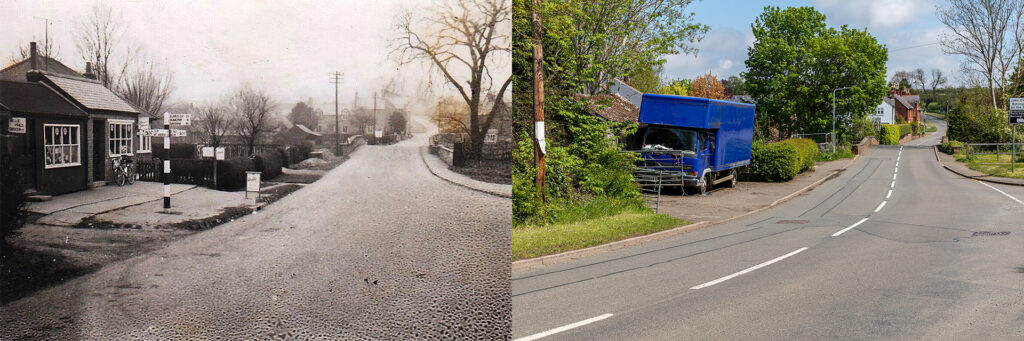
Gaddesby Brook runs through the village. “Previously, there were two fords, and so Twyford got its name”, explains Peter. Annmarie adds: “My brother Nigel and I, and the other village kids used to leave the house for hours at a time and just run around the village, playing. The brook was an endless source of fun and games: paddling, fishing, building boats, building dams, jumping over or sitting on the banks. The fields were our playground.”
Peter: “In the middle of the village, on Main Road towards Thorpe Sackville, there was what we called the town bridge.” The road bridge officially known as Lewin’s Bridge was built circa 1780 by J. Lewin, and is Grade II listed.
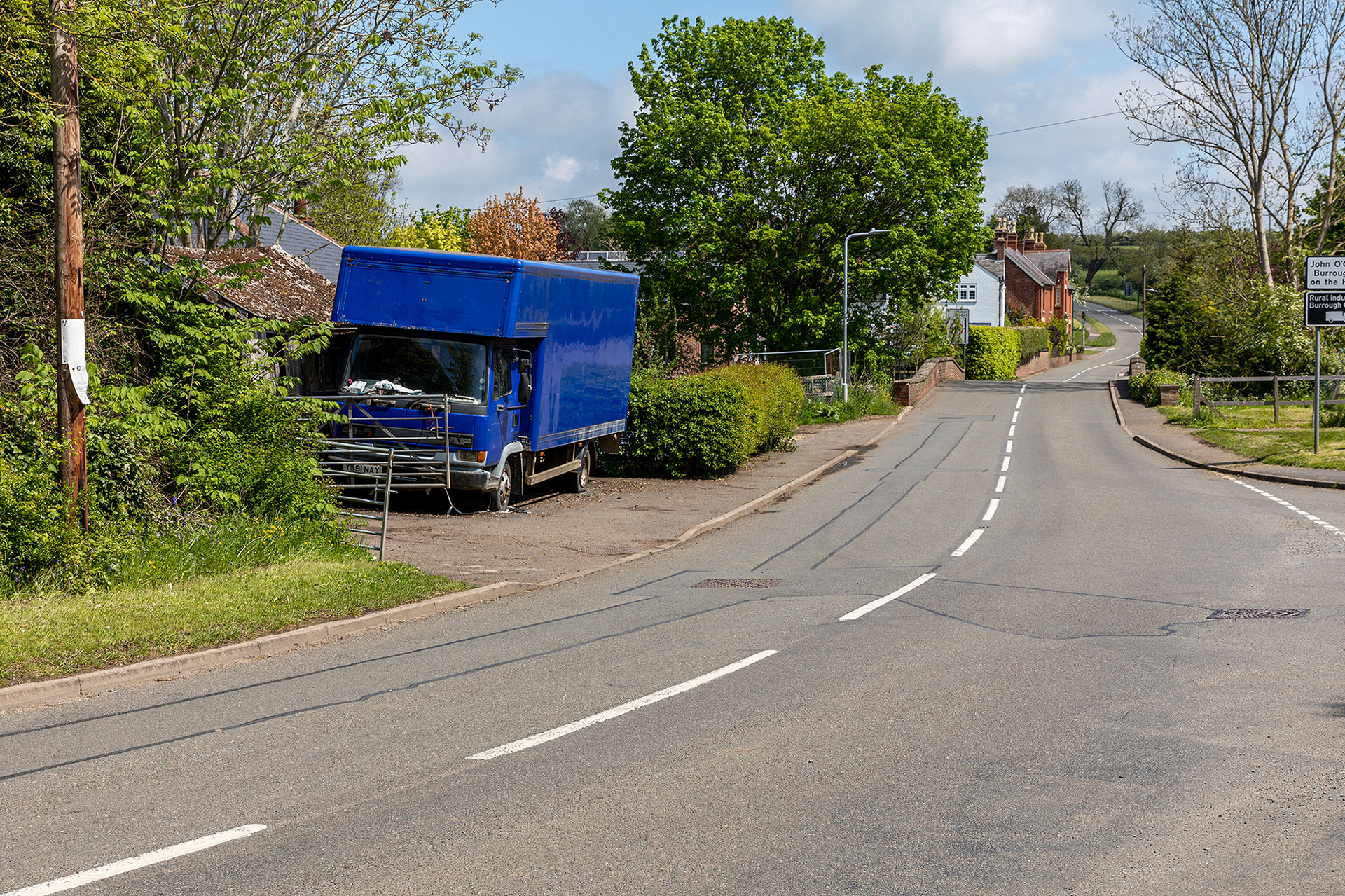
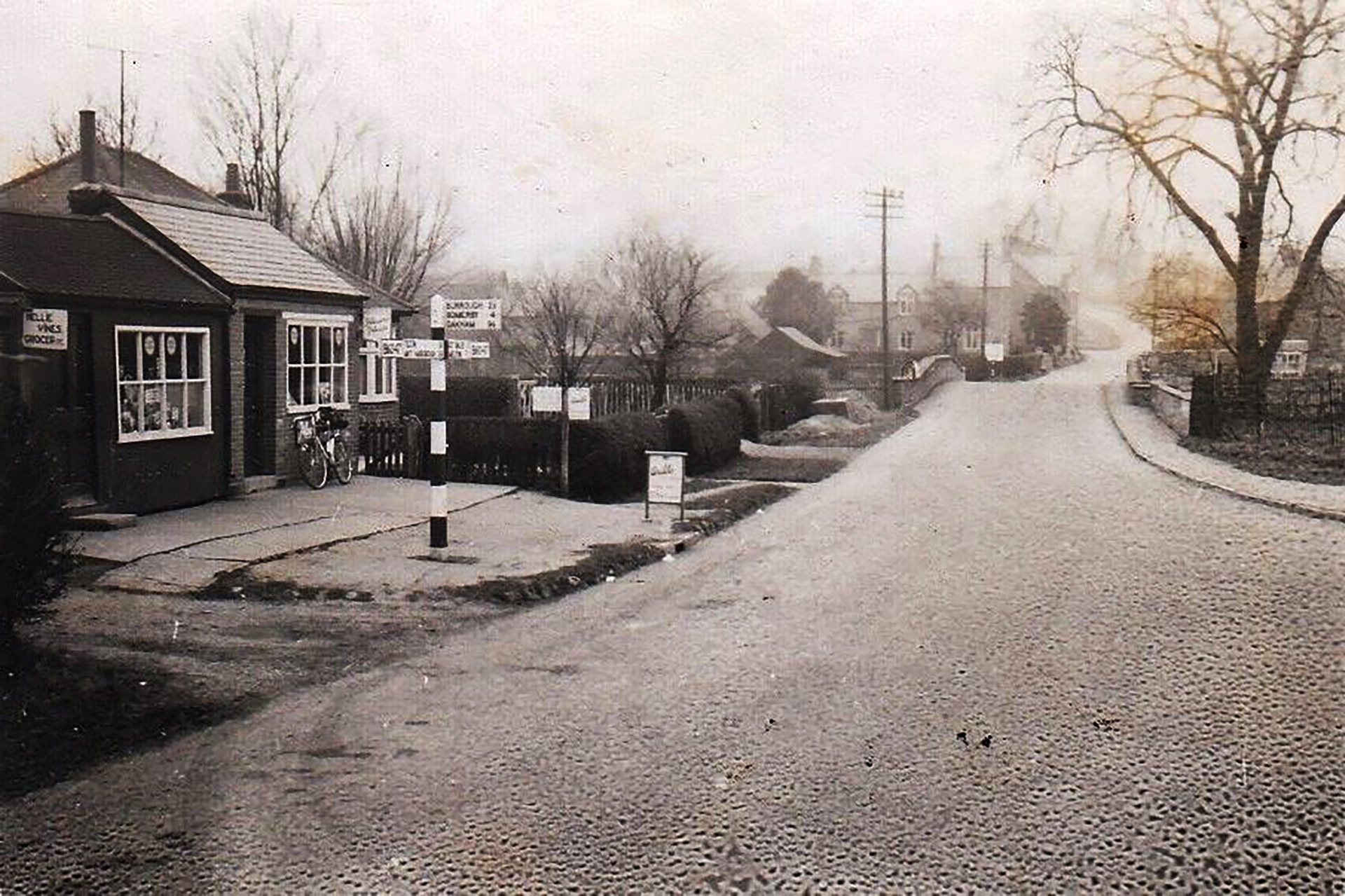
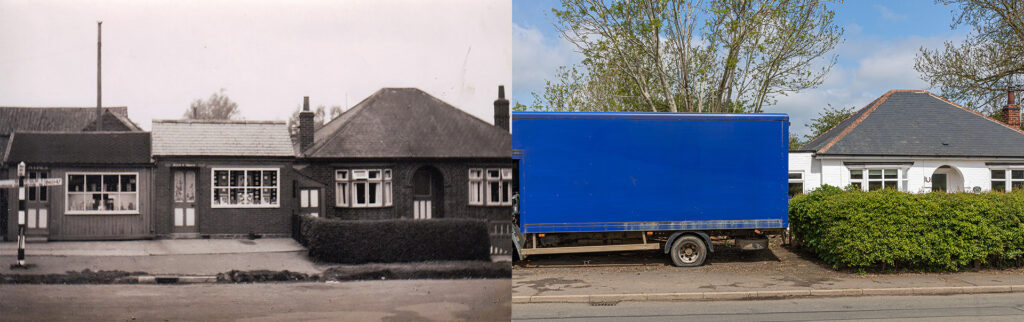
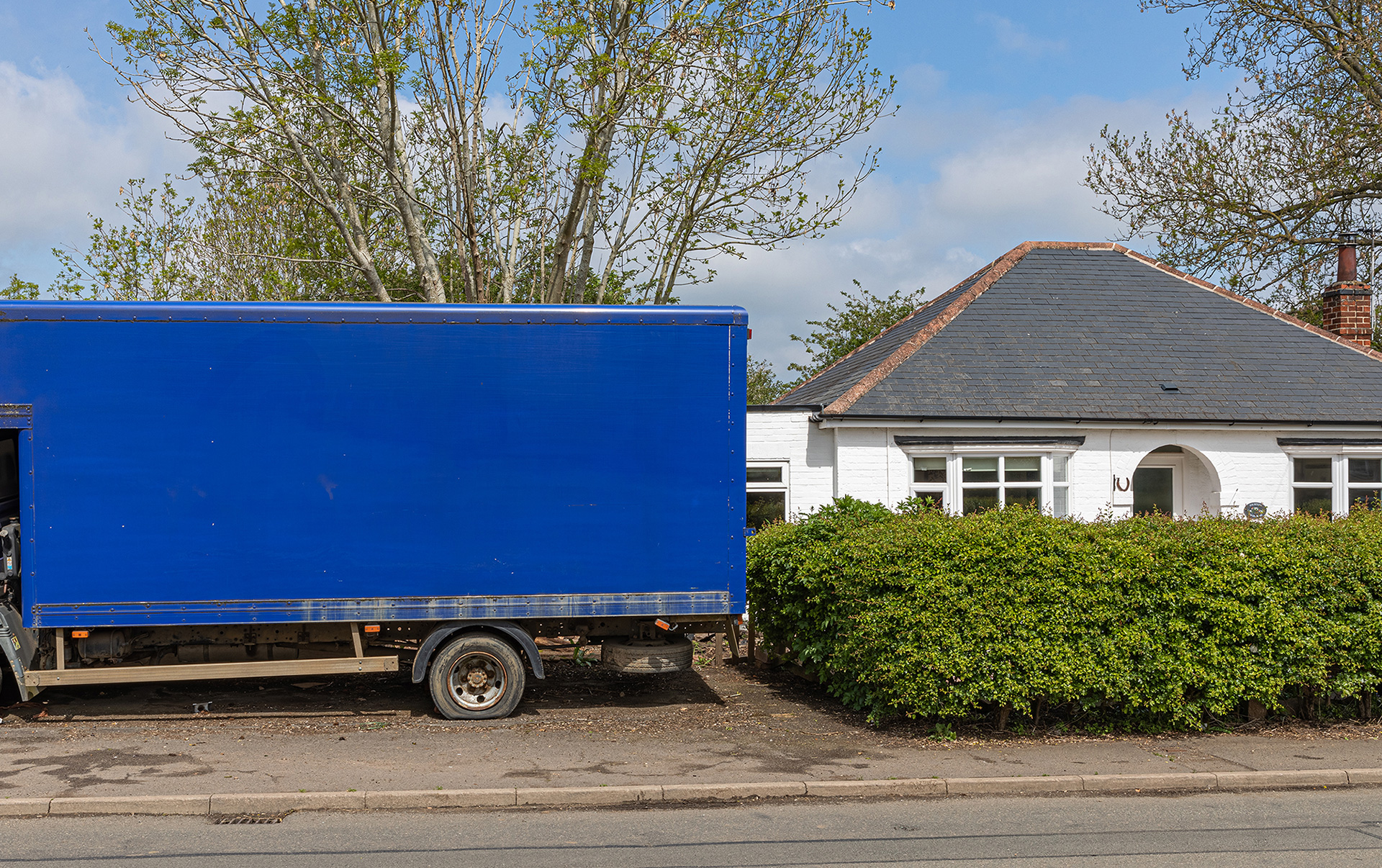
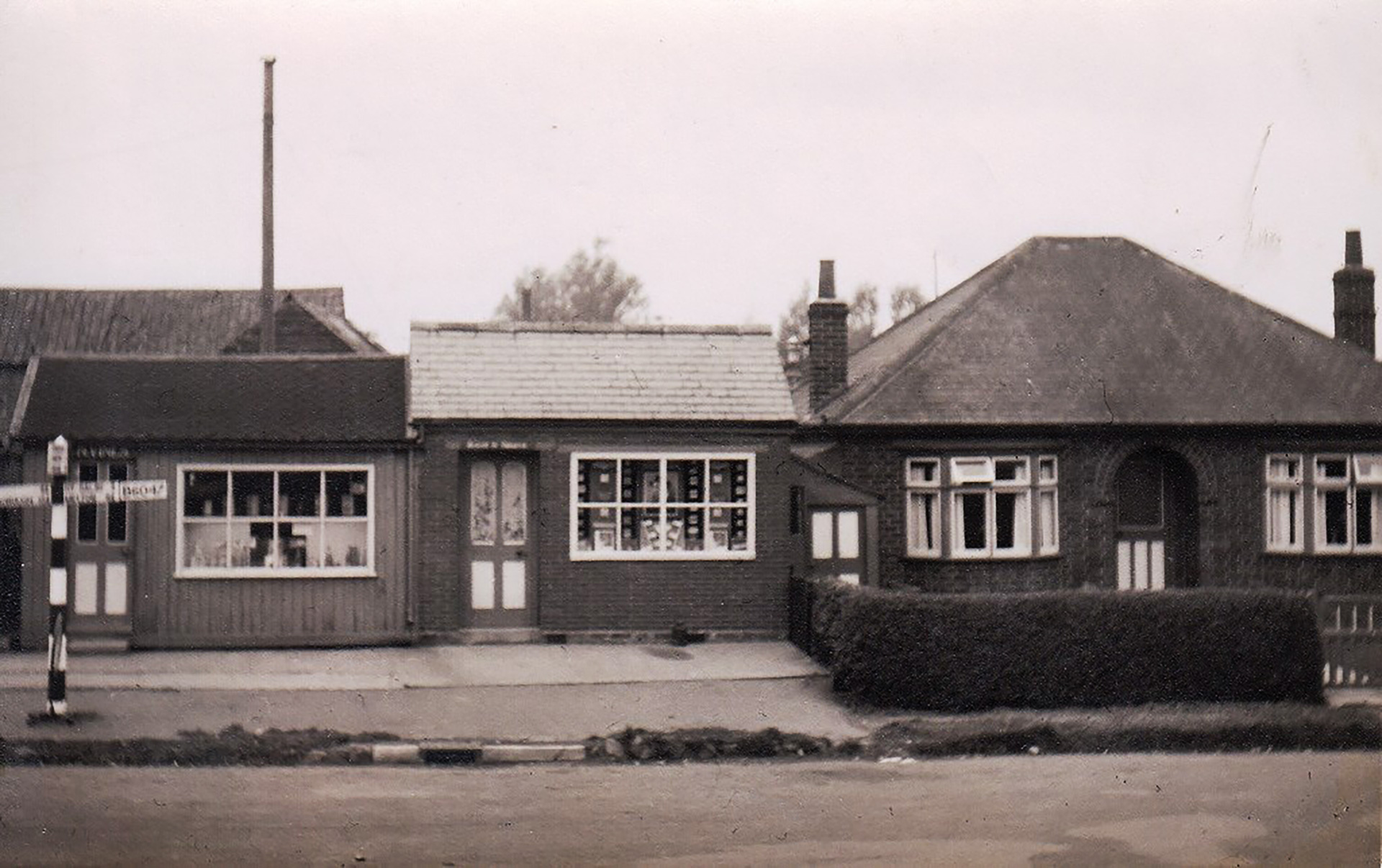
“The shop on Main Street was already there when I was a kid,” recalls Peter Dalton. “I used to buy sweets there.” The bungalow and shop were owned and run by Nellie Vines.