To North Berwick
Camping is slow travel. It is my favourite way of wandering around for a few days or weeks. Nearly five weeks in Lochaber in the Scottish Highlands in 2022 have been the longest tent journey so far, sometimes with a day’s break in a hostel or bunkhouse. While camping, everything takes more time: slowly waking up while listening to the sounds infiltrating the tent, getting everything in place to prepare breakfast and enjoying this while, yes, I must admit, just watching how people around go along.
It is time to leave Shepherd’s Rest today, and I pack up… slowly. My goal for the day is to reach Tantallon Campsite, just east of North Berwick. I plan to stop a few times along the road to take seascapes. Although cloudy and the sea fog rests on Lamberton Hill, it looks like it will become a very sunny day. We will see…
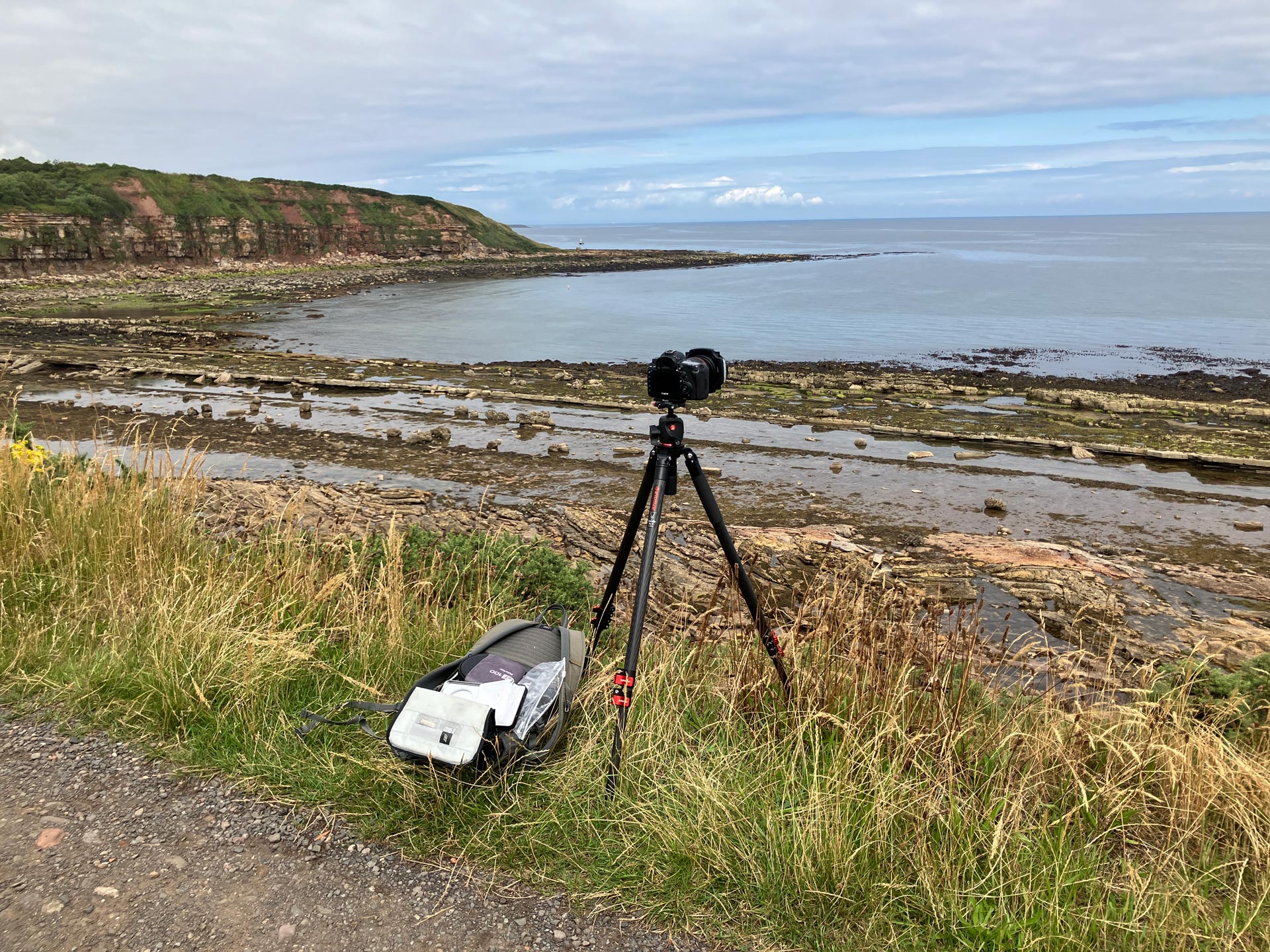
The first stop is Cove, another small village on the Berwickshire coastal cliffs. After parking at the end of the village, I put on my hiking boots and make my way down to Cove Harbour, which is only accessible by car when you carry the key to the locked gate. Of course, you can go on foot. I descend, stopping halfway for a seascape while the sun pierces sparsely through the clouds.
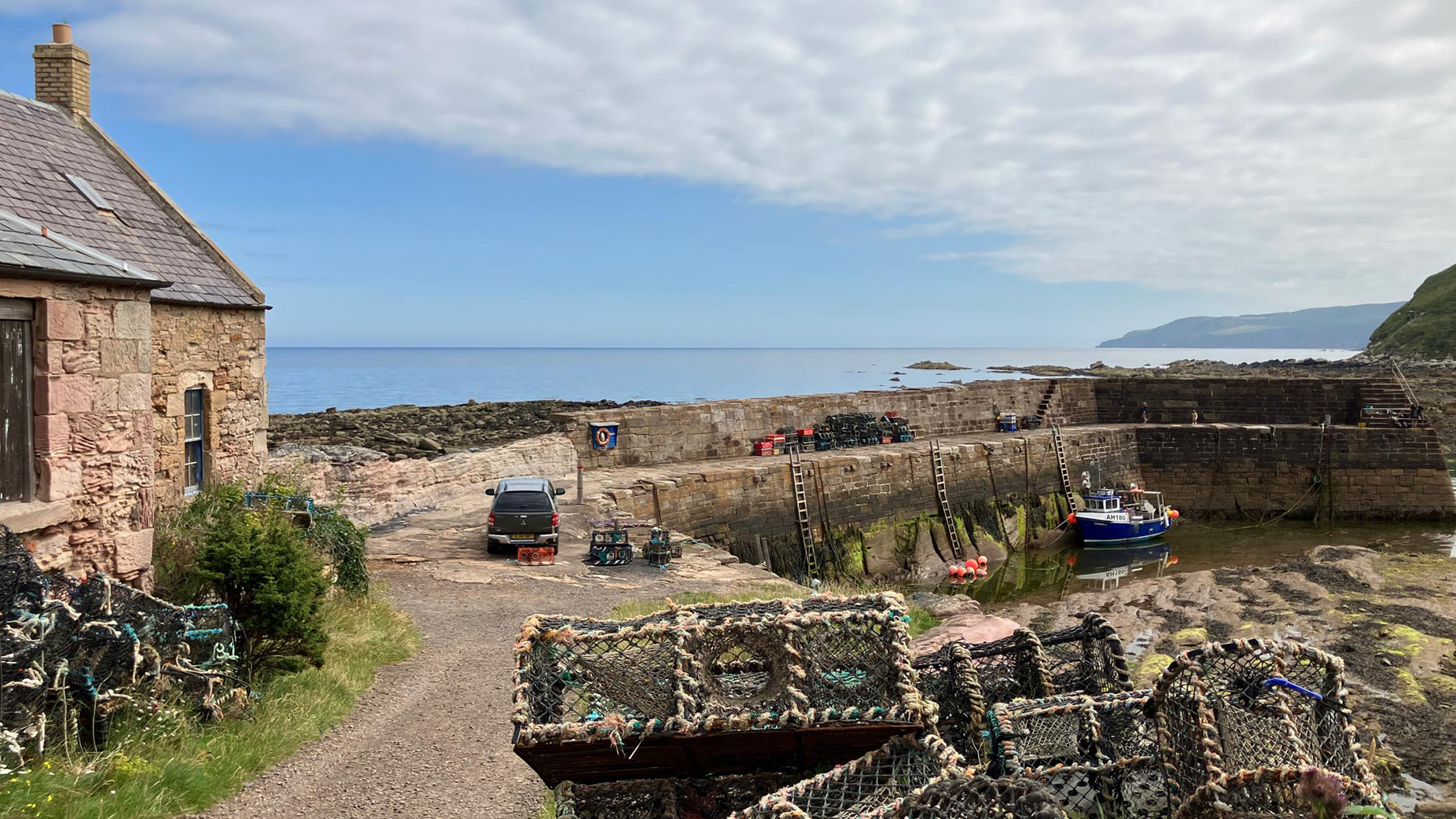
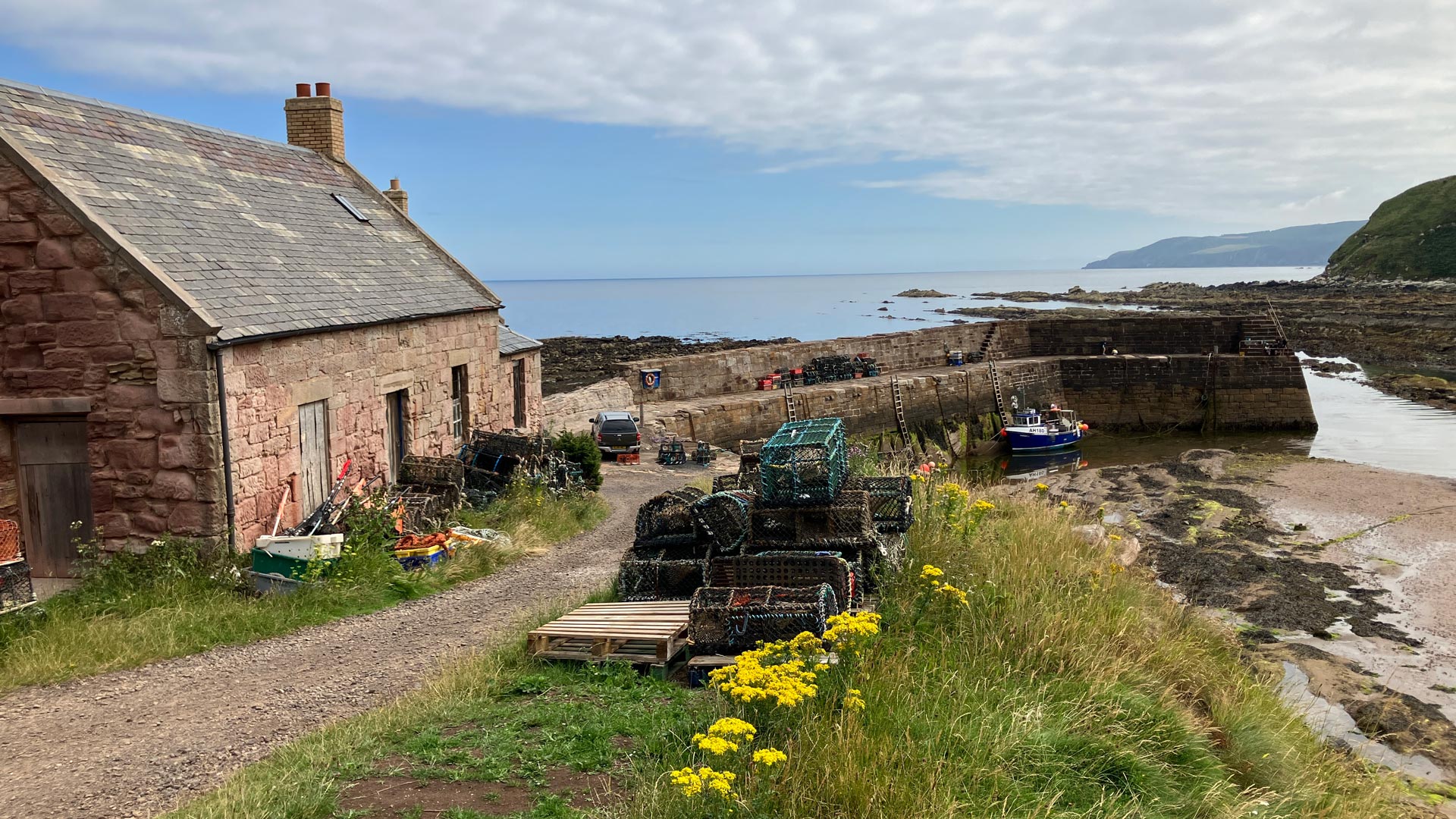
As I reach the bottom of the cliffs and arrive at the harbour, about half an hour later, most clouds have dissipated. Cove Harbour is a fascinating place with two cottages used for storing sea fishing gear.
Another cottage is on the opposite side of the harbour entrance along a bay, accessible only through a long tunnel hand-dug in the rocks in the 18th century.
The tide is low, and two fishing boats are moored deep down the quay of the nearly dry harbour. Entering the harbour by boat would be adventurous, maybe even impossible. I point my camera towards the sea. Part of the harbour wall is also carved out in the sandstone. When taking seascapes, I look for horizontal lines matching the horizon, which has to be in the middle of the frame. In this one, I include a part of the sandstone harbour wall.
Walking up the dirt road to the car, I decide not to explore the other side of the bay by going down the rabbit hole like Alice in Wonderland. That can be an adventure for another time. Before leaving Cove, I have cheese sandwiches and start thinking about another place called Cove… in Wester Ross. I send a message to a friend, Roto Maciver, a fisherman, who lives in Cove near Gairloch, to let him know about my visit to the Berwickshire coast.
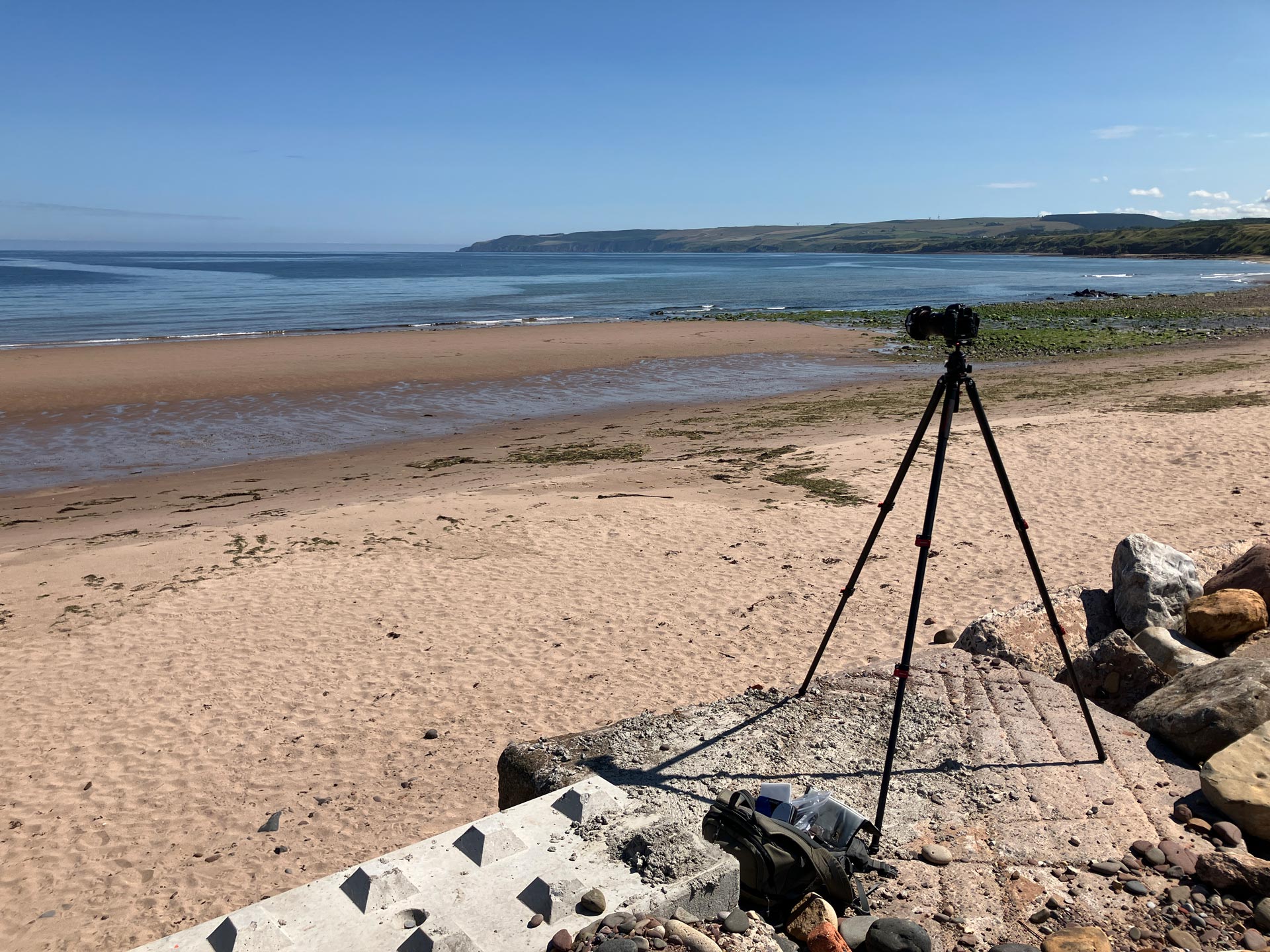
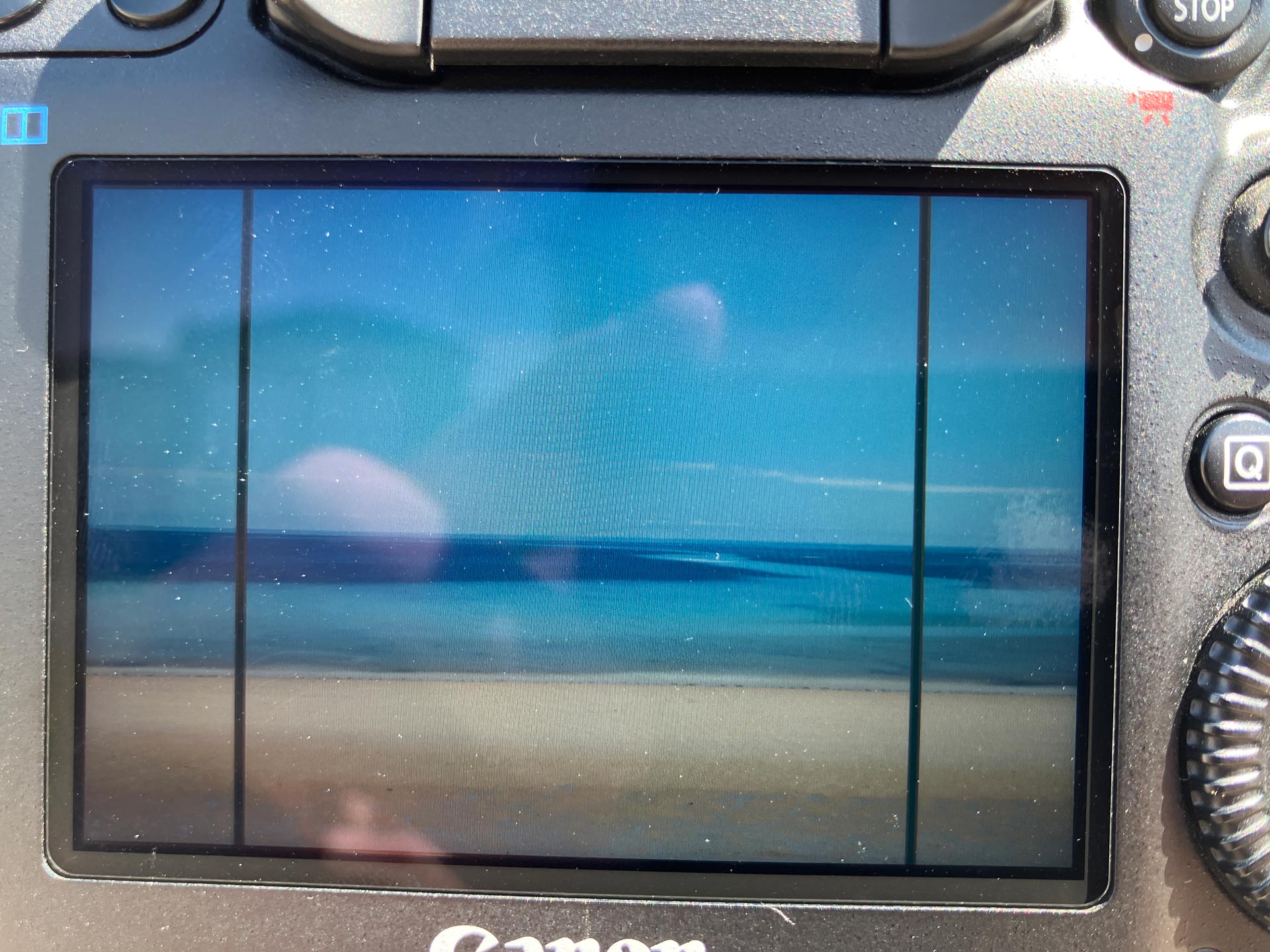
As I head further north, my next destination is Thorntonloch, which is not a village but a caravan site with a charming public beach. Everything looks more attractive when the sun is shining. The water is deep blue with a lighter, S-shaped blue area. Setting up my camera gear takes some time: finding the right frame, getting the correct focal length, attaching a polariser to get deeper blues and using a big stopper to achieve a 30-second shutter speed. By the time all is set the beautiful S-shape had dwindled. It comes as it is. I will not worry about that.
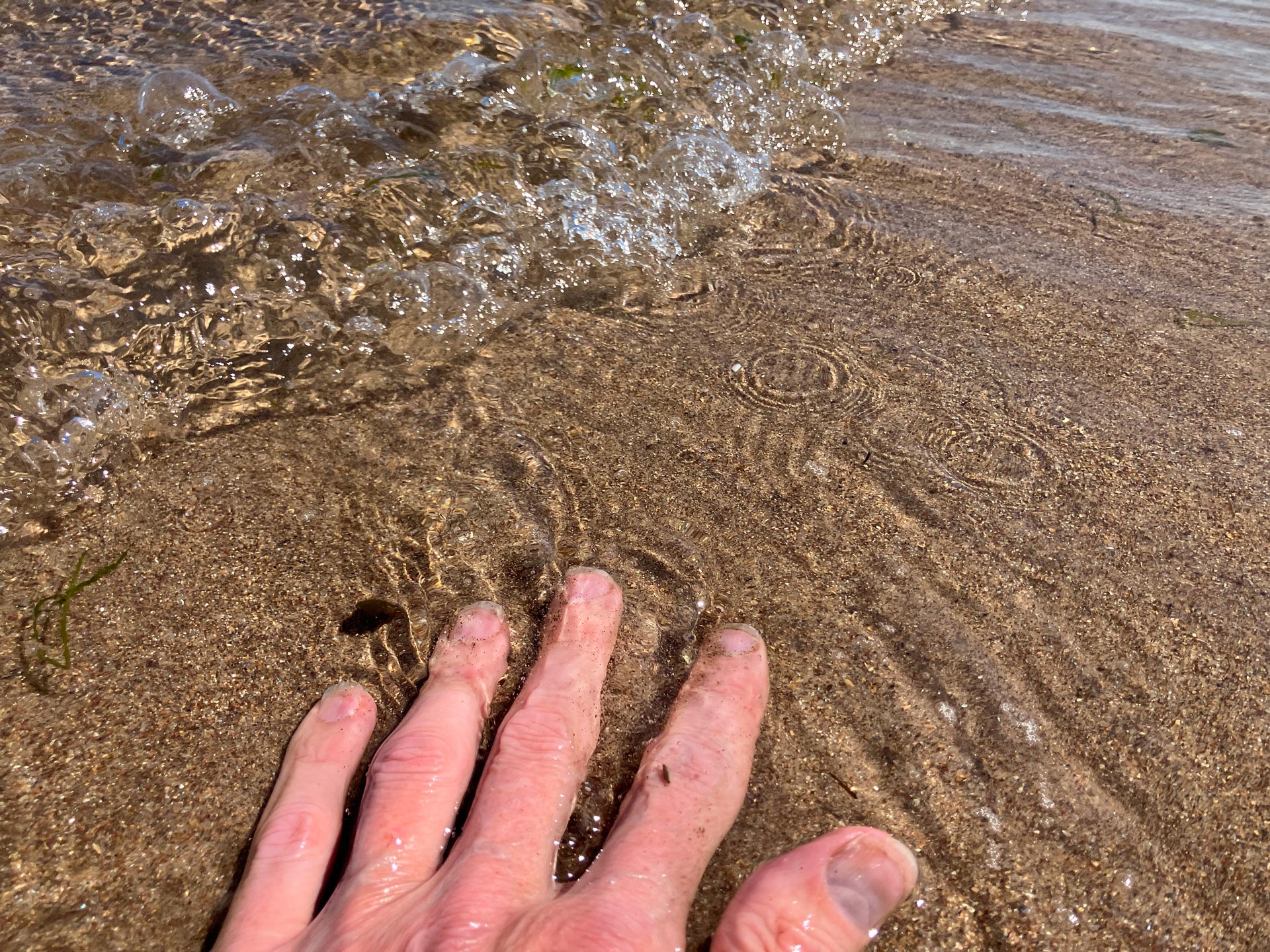
Before driving to my next destination, I dip my hand in the seawater to check the temperature, which feels nice. I have forgotten my bathing suit otherwise I would have had a swim. I will add this item to my camping list.
When I cross the border of Berwickshire and East Lothian, Dunbar awaits. The town’s harbour is a patchwork of quays on the north side and a beach on the south without an actual promenade. While exploring the area, hunting for a nice frame, I walk down Victoria Street from High Street to the quays, I come across a more than lifesize sculpture named The Creel Loaders. This stone sculpture depicts a woman carrying a large basket (a creel) and two fishermen walking behind her. The sculpture is the work of Gardner Molloy.
The Scottish historian and author Alistair Moffat writes about the statue in his book The Hidden Ways, specifically in the chapter about The Herring Road from Dunbar to Lauder across the Lammermuir Hills. “This was a remarkable commercial route along which fresh and salted fish travelled. Its sheer difficulty and the hardiness of the men – and the women -who walked across the tops of the Lammermuirs carrying tremendously heavy creels astounds me still. Their dogged and necessary determination puts most of our complaints about our cosseted lives to shame. None of the routes were easy in an age before engines, but all of the hidden ways the Herring Road demanded the most physical strength and stamina. Women carrying huge weights on their backs, planting one weary foot after another in soft and tussocky ground, their heads bowed into the whistling winds – I thanked providence that I did not have to do what they did.”
“Not all of the fish landed were cured in barrels or brine, but if some were to be sold fresh, they had to be sold quickly. All down the North Sea coastline fishwives gathered up herring into creels, wicker baskets. And carried them into towns where they could sell their husband’s catch at markets or on street corners, ofter calling out their wares.”
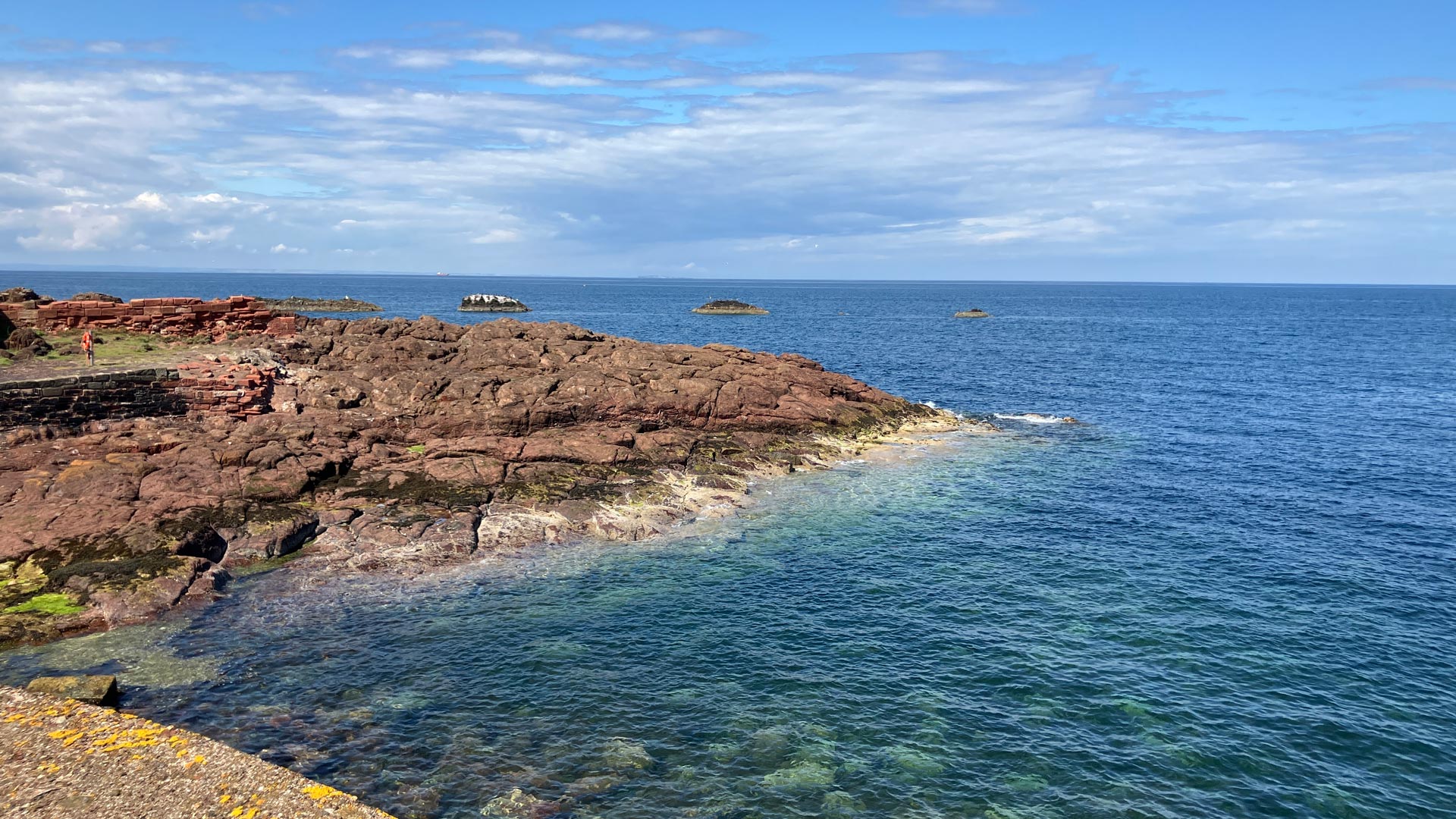
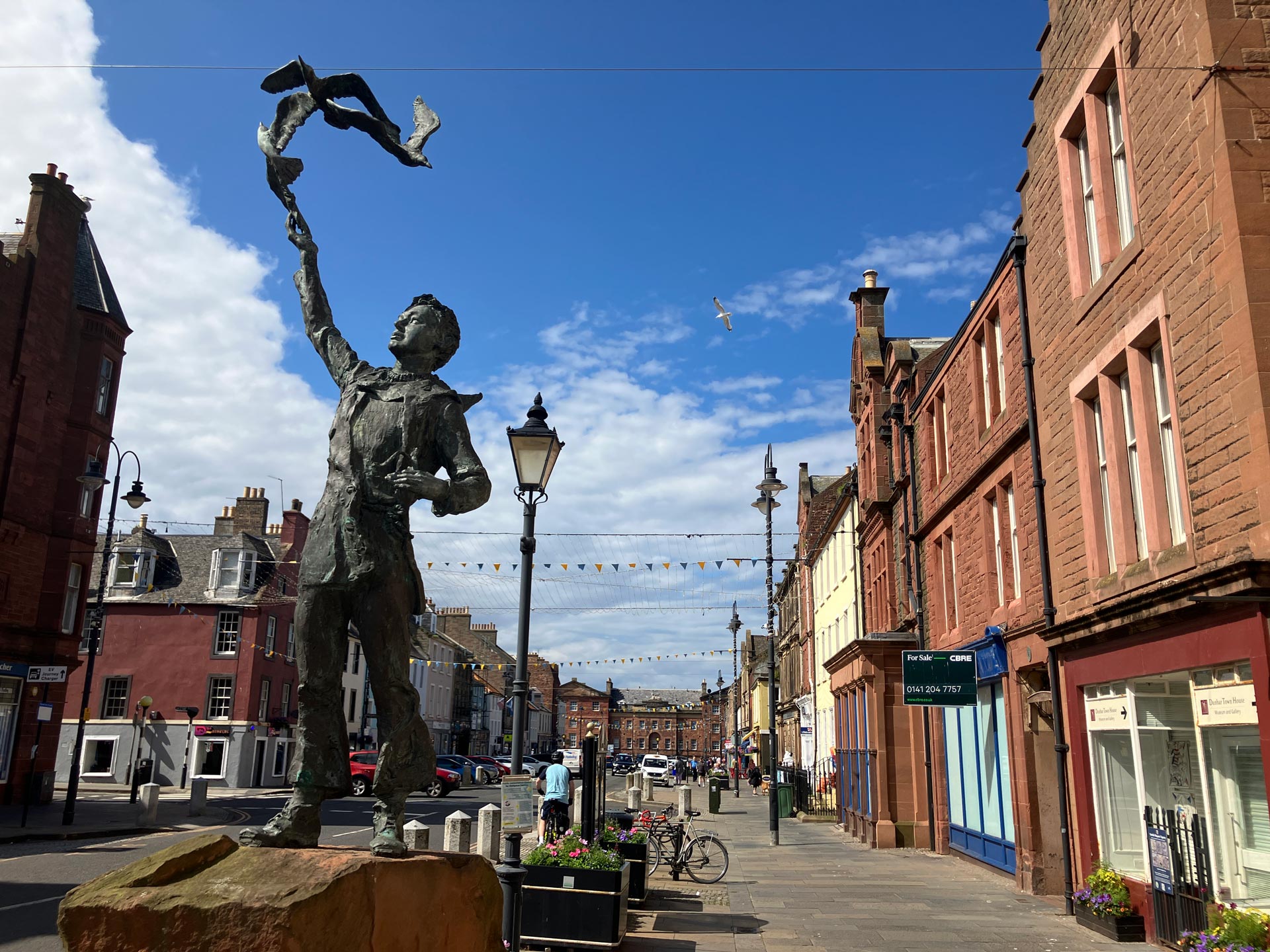
I bag another seascape and visit a coffee bar on High Street for a treat: a fridge-cooled organic drink and a giant oat chocolate chip cookie. I spot the John Muir Museum among the shops, stores and pubs. I have forgotten that Muir, a mountaineer, inventor and conservationist avant la lettre, was born in Scotland and lived in Dunbar until his teens. The museum is located at his birthplace. Unfortunately, the museum is closed on Mondays and Tuesdays. Near the museum, opposite the road, there is a bronze sculpture of the young John reaching for three seagulls.
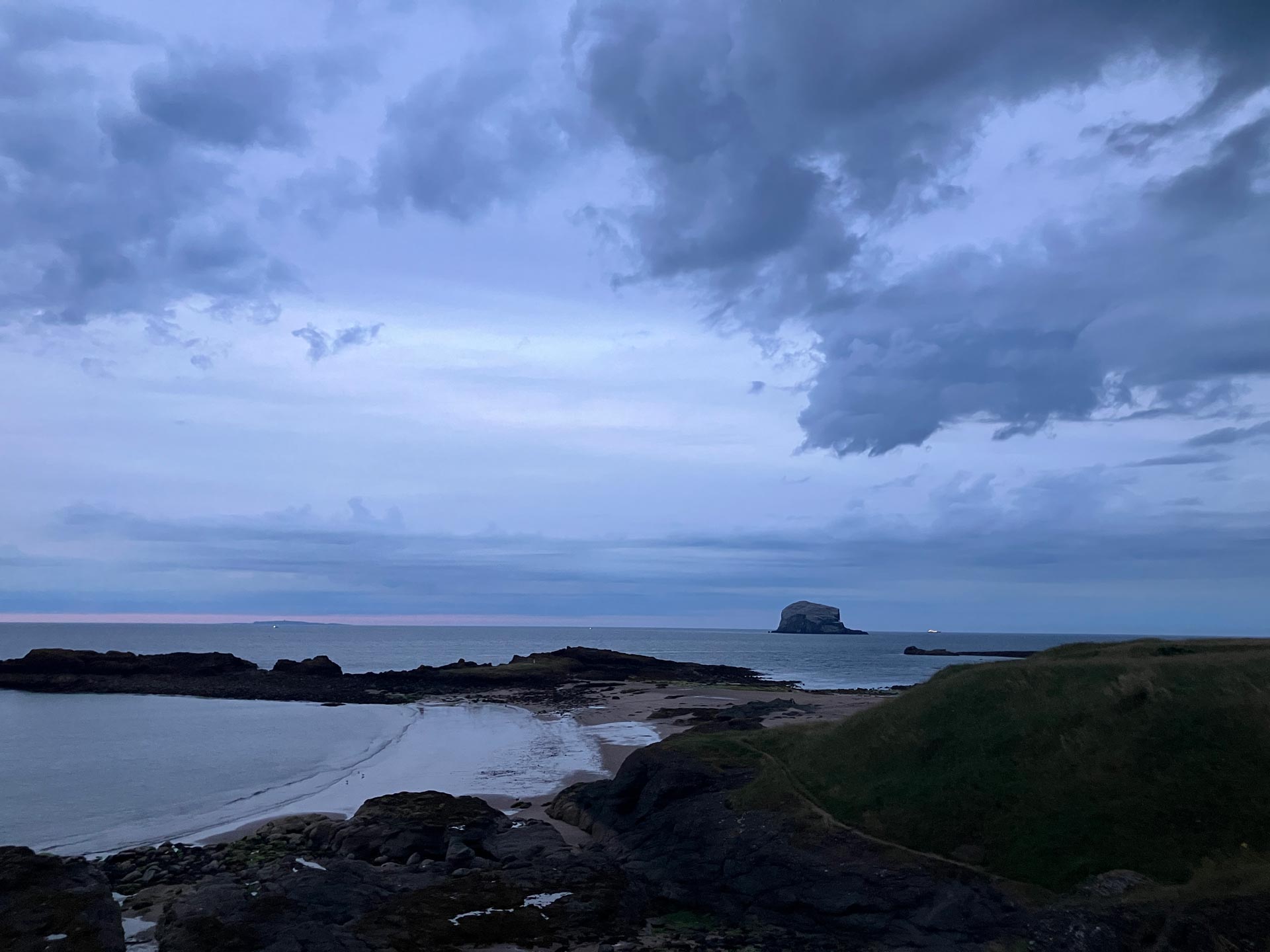
It is time to move and I drive to Tantallon Campsite, located east of North Berwick. After pitching my tent, I visit the supermarket, which is just a 10-minute walk away. I prepare dinner at the campsite and then, I try to figure out how to get to the locations from where Thomson photographed Tantallon Castle. The Tantallon car park is only open during visiting hours, from 10 am to 4 pm. The other roads towards the beach are marked as PRIVATE ROAD. How surprising considering Scotland’s “right to roam”. Disappointed, I return to the campsite. The sky has filled with grey clouds, so there is no chance catching the sunset. Nevertheless, I grab my camera gear and leave the campsite for a walk near the coast’s edge along the rough grasses of the golf course. I experiment with a timelapse and panoramic shots.
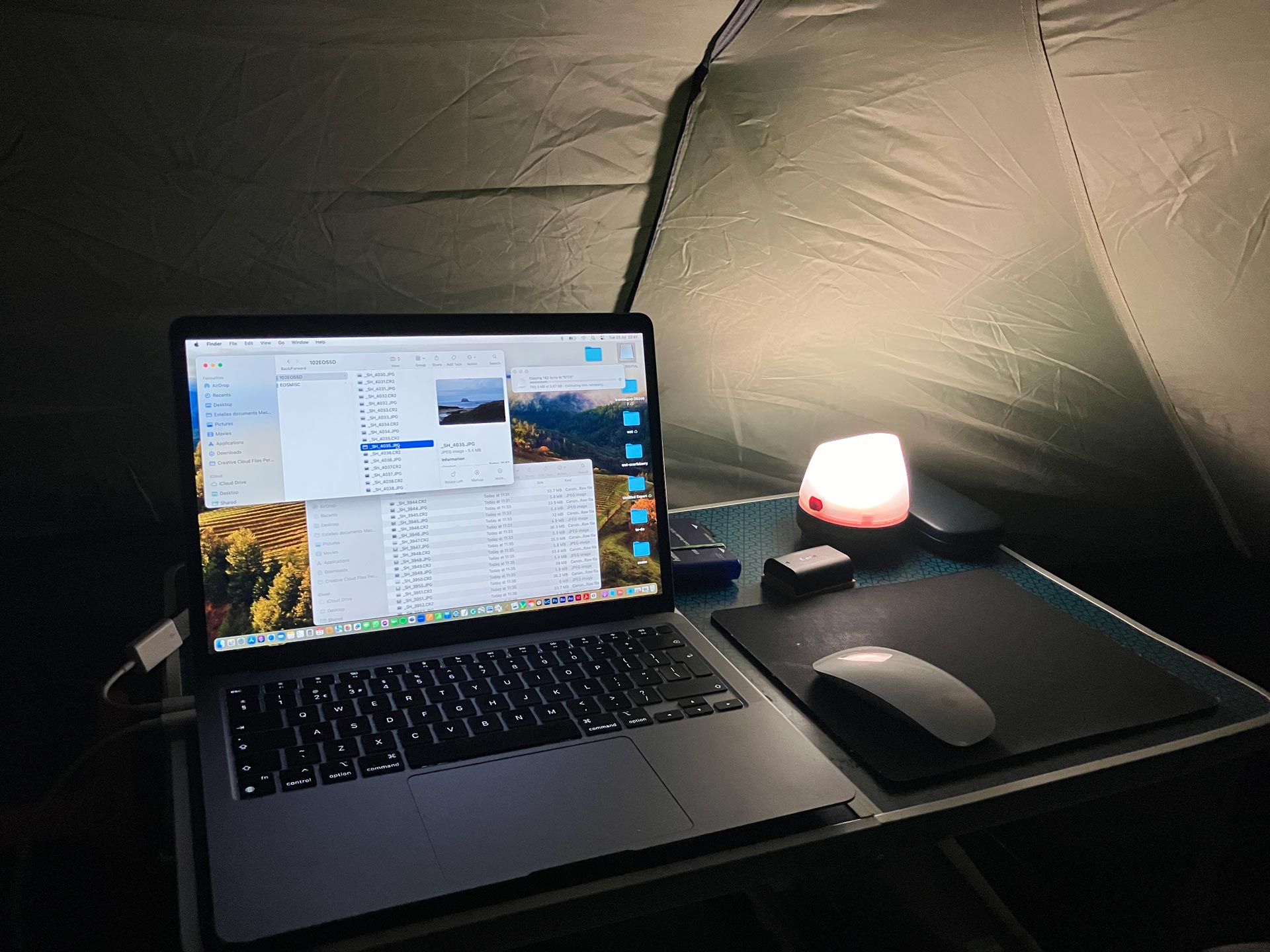
I return to my tent close to 10.30 pm. Before calling it a night, I download the photos I took today and respond to a few emails for my other projects.