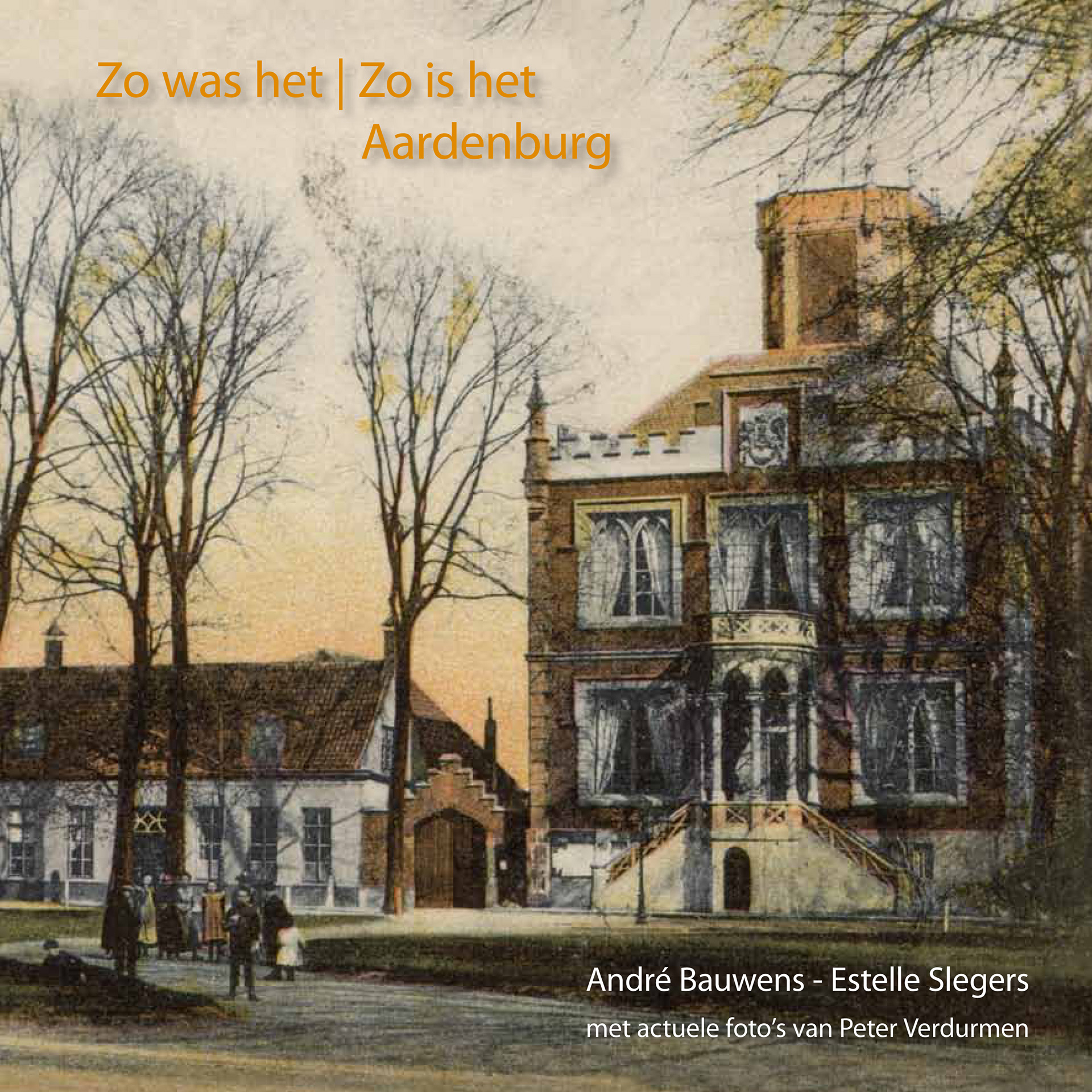
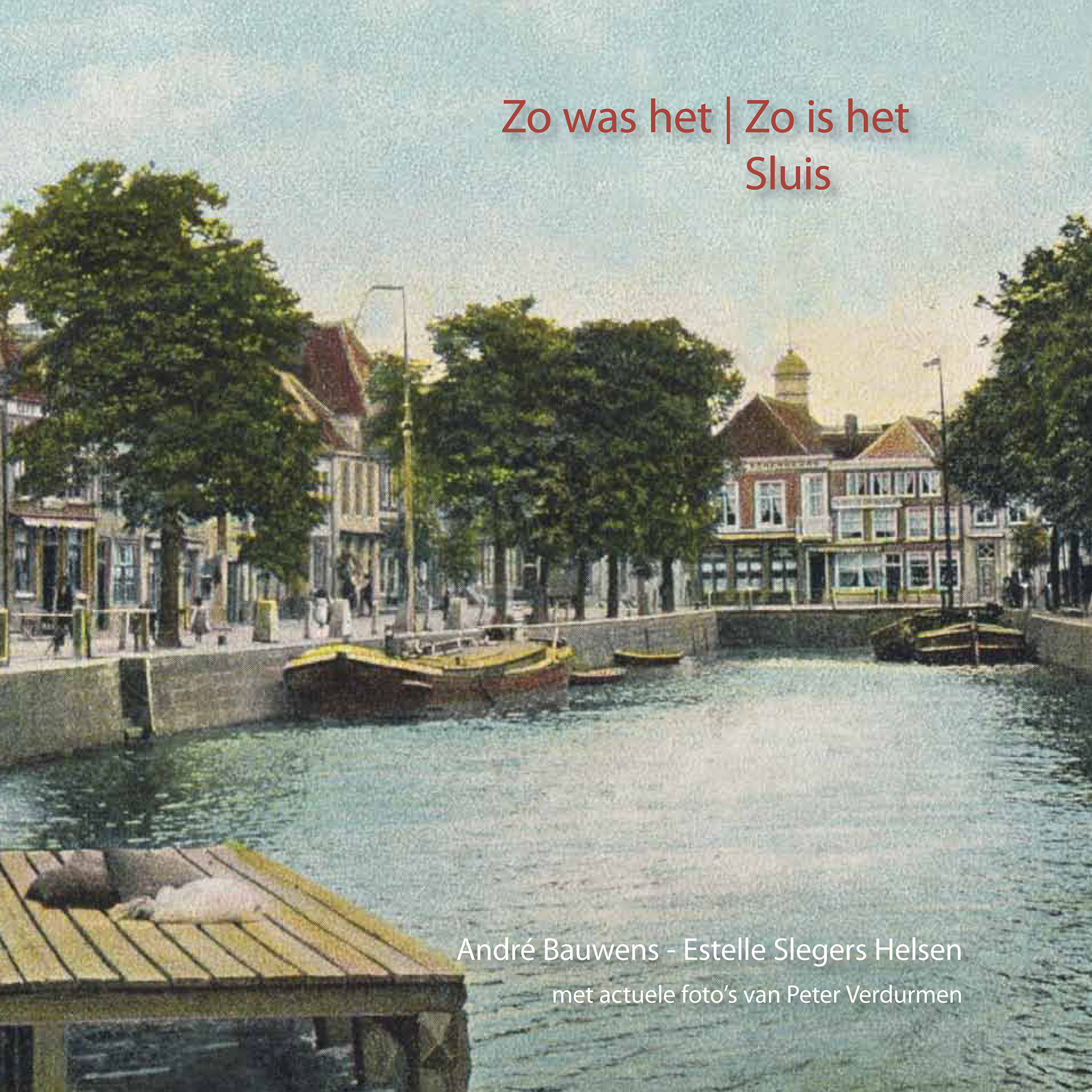
In 2014 historian André Bauwens, history researcher Estelle Slegers Helsen and photographer Peter Verdurmen highlighted the past and present of the main streets in Sluis, a small Dutch city near the Belgian border. This is article #2.
In 2014 realiseerden historicus André Bauwens, onderzoekster Estelle Slegers Helsen en fotograaf Peter Verdurmen een reeks over vroeger en nu in Sluis, een stadje in Nederland op de grens met België. Dit is artikel #2.

(EN) The Julianastraat in the direction of the Markt shortly after 1900. In the background the ’s Heer Boudewijnstraat. In the past, the ‘s Heer Boudewijnstraat, together with the north side of the Groote Markt, the Julianastraat and the Dinsdagstraat, formed a street called Windgat. In 1909, after the birth of Princess Juliana, the name of this part of the Windgat changed to Julianastraat.
(NL) De Julianastraat in de richting van de Markt gezien kort na 1900. Op de achtergrond de ’s Heer Boudewijnstraat. Ooit vormden de ’s Heer Boudewijnstraat, de noordzijde van de Groote Markt, de Julianastraat en de Dinsdagstraat een straat onder de naam ’s Heer Boudewijnstraat of Windgat. In 1909, na de geboorte van prinses Juliana, veranderde de naam van dit deel van het Windgat in Julianastraat.
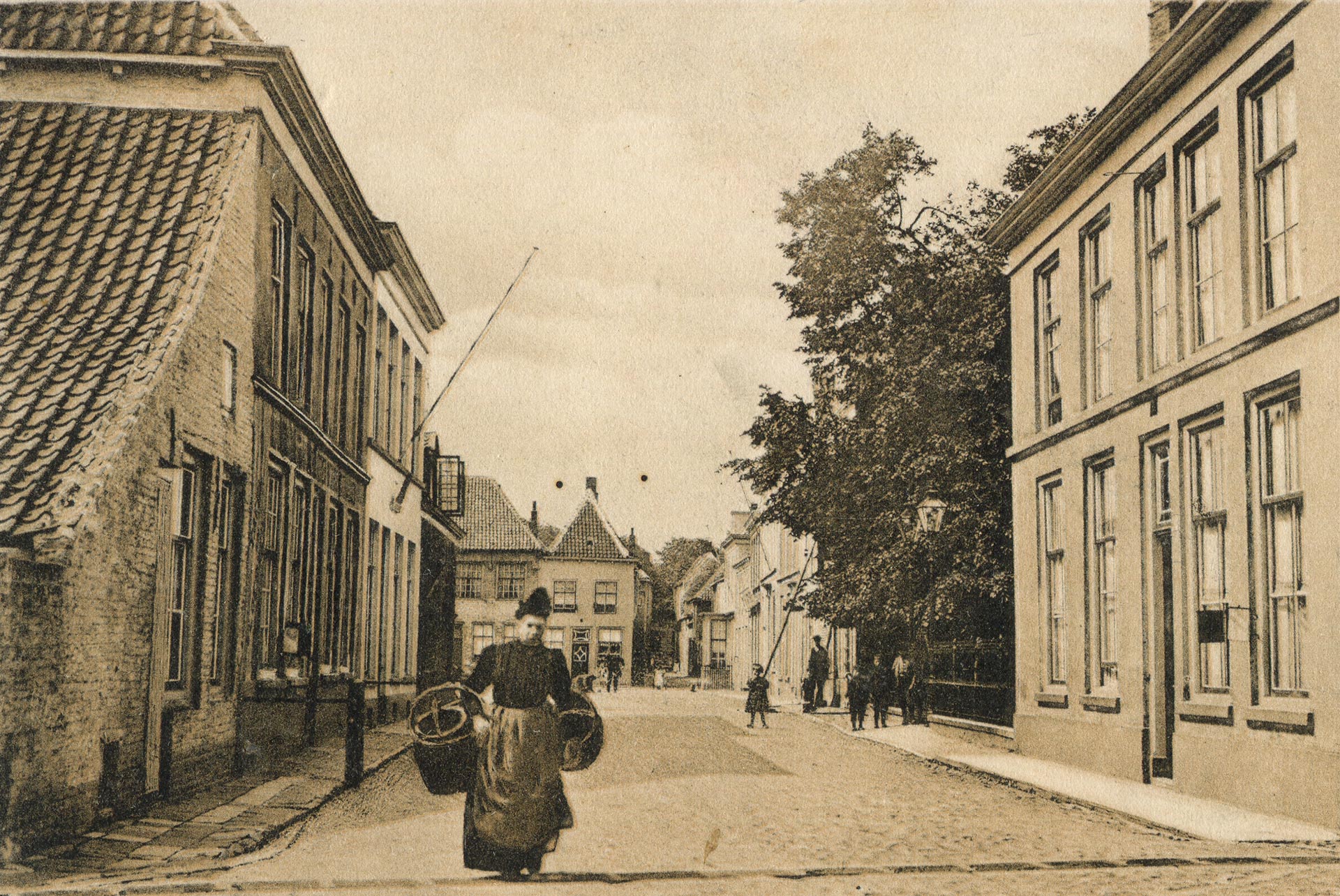
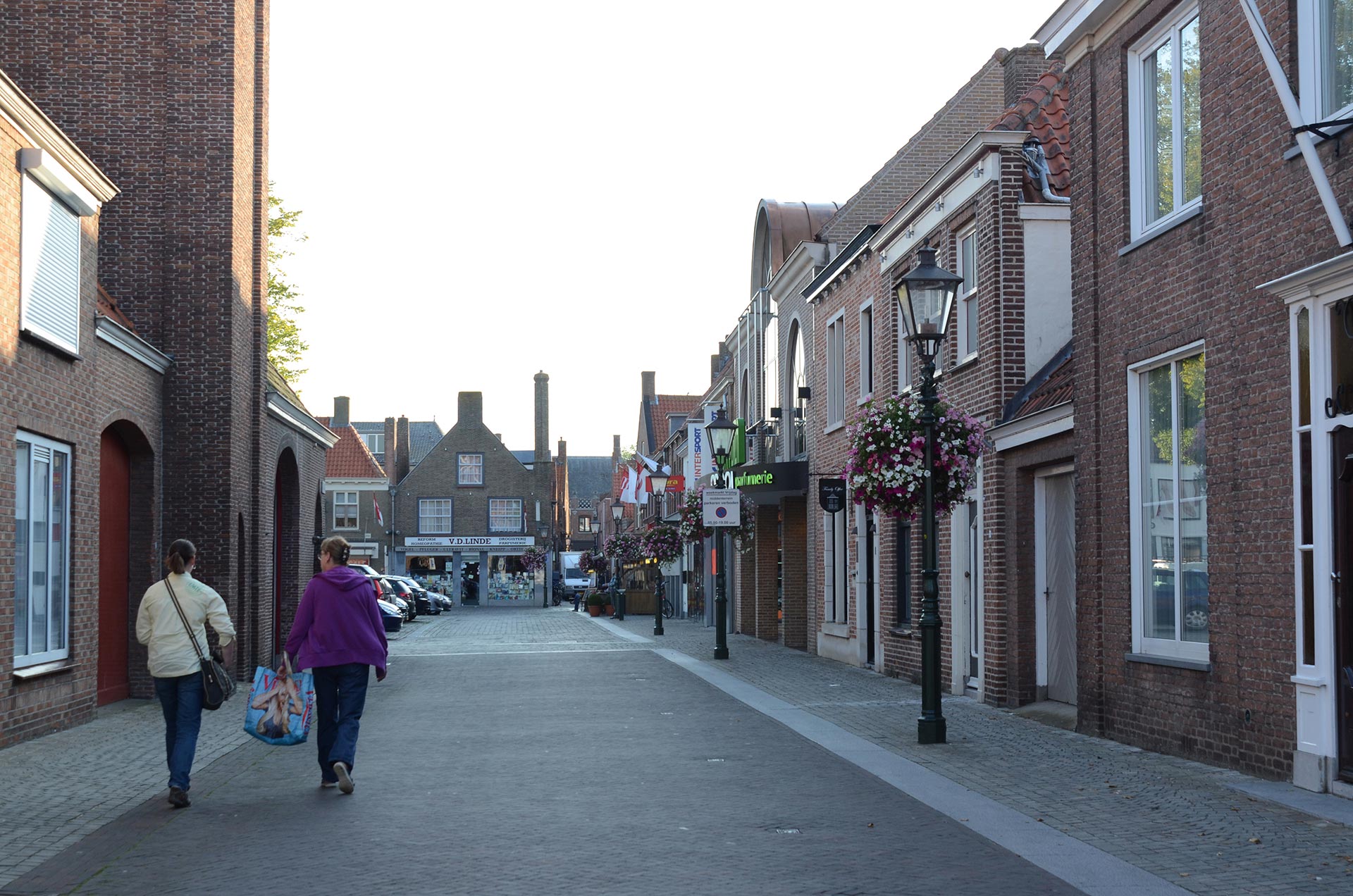
Then – The Julianastraat in the direction of the Markt shortly after 1900. | Now – The Julianastraat in 2014.
Toen – De Julianastraat in de richting van de Markt gezien kort na 1900. | Nu – De Julianastraat in 2014.
(EN) The Sluis’ bombardment of 11 October 1944 was very severe. Annie Ohms, a baker’s daughter, remembers: “Sluis was flattened.” André D’hoore also experienced it as a boy of 14. He lived with his parents and dozens of other residents of Sluis in the basement of the Korenbeurs on the Kaai. “The first building that burned was on the corner of the Lange Wolstraat and the Julianastraat. The fire department tried to tame the flames but didn’t manage. At the end of the day, Sluis was totally on fire.
(NL) Het bombardement van 11 oktober 1944 is voor Sluis zeer ingrijpend geweest. Annie Ohms is de dochter van een bakker. Ze getuigt: “Heel Sluis lag plat.” Ook André D’hoore maakte het mee als jongen van 14. Hij zat samen met zijn ouders en nog tientallen andere Sluizenaars in de kelder van de Korenbeurs aan de Kaai. “Het eerste gebouw dat brandde, stond op de hoek van de Lange Wolstraat met de Julianastraat. De brandweer probeerde het te blussen. Maar dat was vergeefse moeite. Op het eind van de dag stond heel Sluis in brand.”
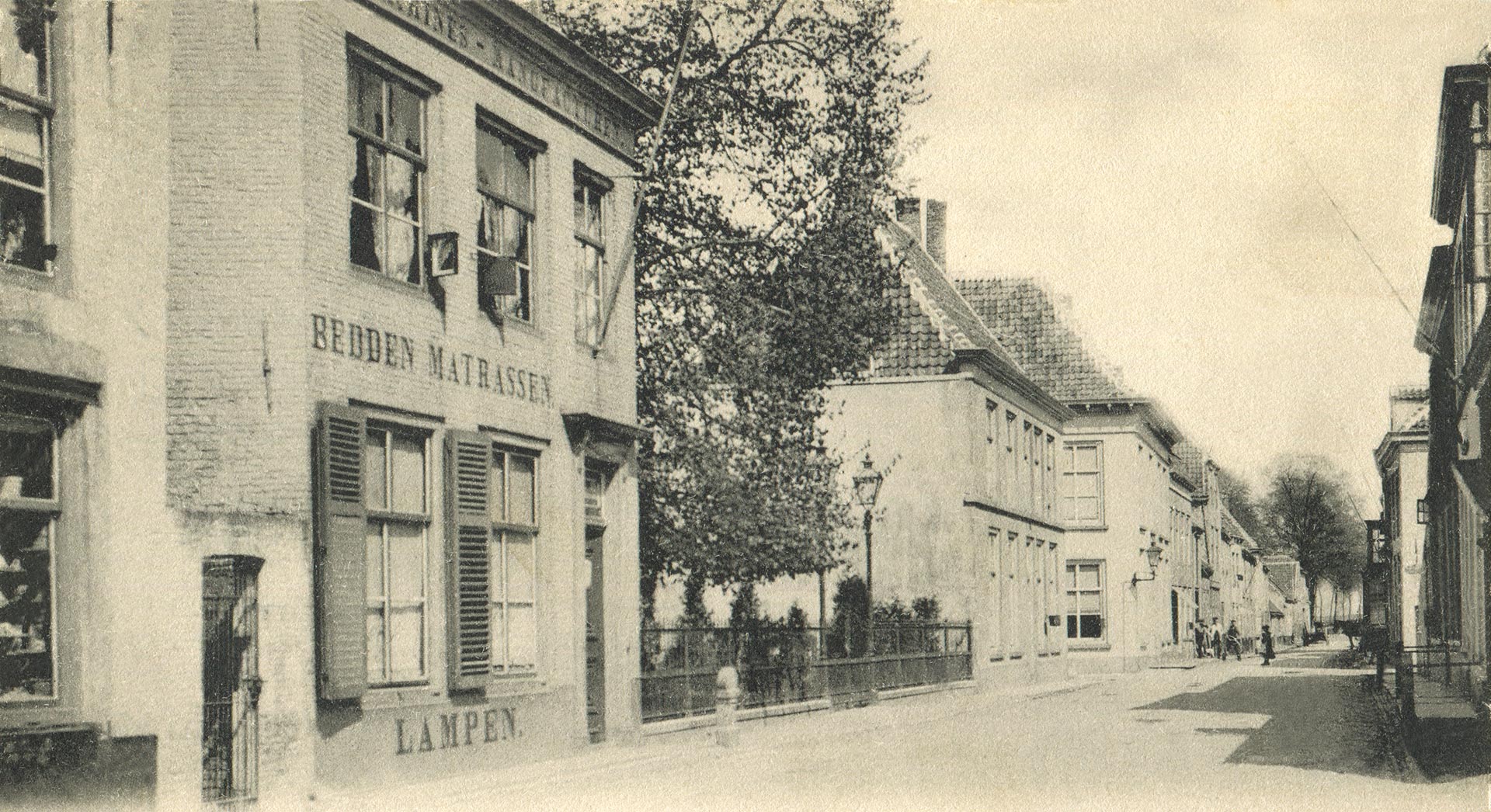
In the house on the left, around 1900, draperies, beds, mattresses and lamps were sold. Left of this building, behind the gate, was an alley, Hendrik Baststraatje. On the rights, well back from the railings, stood the Dutch Reformed Church. The house next to it, on the corner with the Lange Wolstraat, where the Quataert family lived, was the first building that burned down during the bombing of 11 October 1944.
In het huis links werd omstreeks 1900 gehandeld in onder meer manufacturen, bedden, matrassen en lampen. Dit pand grensde aan het Hendrik Baststraatje, te bereiken via het poortje links. Verderop, achter het hekwerk stond, ruim van de straat verwijderd, de Nederlands hervormde kerk. Het huis daarnaast, op de hoek met de Lange Wolstraat was het eerste pand dat bij het bombardement van 11 oktober 1944 afbrandde. De familie Quataert woonde er.
(EN) The villagers who were able left. André D’hoore: “We walked through the back of the Catholic Church into the flooded meadows to the city’s ramparts. Reaching the city walls, we turned around and looked down at Sluis. It was a horror image, like hell, a sea of flames.” Taking the Nieuwstraat and further to the slaughterhouse, 150 people went to a farm on the Draaibrugseweg. They stayed there for a few days and then reached Aardenburg. From there, the Allied Army brought them on trucks to Sas van Gent and the surrounding area.
Many people from Sluis also fled to Knokke. It was essential to get out of the centre. That happened through the ramparts. People also took shelter in the German bunkers and reached the polders passing Sint-Anna ter Muiden. Wilhelmina Risseeuw-Verhage: “We fled to Van de Sompele’s farm.” A number of them went further on, as far as Knokke. Others stayed until Sluis was liberated on 1 November.
Annie Ohms: “My father returned the day after the liberation. The house was gone. Only the bakehouse outlived the bombardments and city fire. That’s where we lived and ate. Many people returned. “Those who lost their home were evacuated after the liberation,” says Rinus Leenhouts. “Skilled workers had to stay to make emergency repairs. They were employed by the government.”
(NL) Wie kon die vluchtte. André D’hoore: “Via de achterkant van de katholieke kerk liepen we door onder water gelopen weilanden naar de wallen. Toen we daar aankwamen, draaiden we ons om. We keken neer op Sluis. Het was een verschrikking. Het was een grote hel, een vlammenzee.” Via de Nieuwstraat en verderop het slachthuis ging een groep van wel 150 mensen tot aan een boerderij aan de Draaibrugseweg. Ze bleven er enkele dagen en kwamen dan in Aardenburg terecht. De geallieerden zetten hen op vrachtwagens naar Sas van Gent en omgeving.
Heel veel Sluise mensen vluchtten ook naar Knokke. Eerst was het zaak om uit het centrum te geraken. Dat gebeurde via de wallen. Ze schuilden er soms in de Duitse bunkers om dan, via Sint-Anna ter Muiden, de polders in te trekken. Wilhelmina Risseeuw-Verhage: “We vluchtten naar de boerderij van Van de Sompele.” Een aantal ging verder tot in Knokke. Anderen bleven tot Sluis bevrijd was op 1 november.
Annie Ohms: “Mijn vader is de dag na de bevrijding al teruggekeerd. Er was enkel nog de bakkerij. Daar woonden we en aten we ook.” Heel wat mensen keerden terug. “Zij die geen woning meer hadden, werden na de bevrijding geëvacueerd”, zegt Rinus Leenhouts. “Maar ambachtslui moesten blijven om noodreparaties te doen. Ze werkten in opdracht van de overheid.”
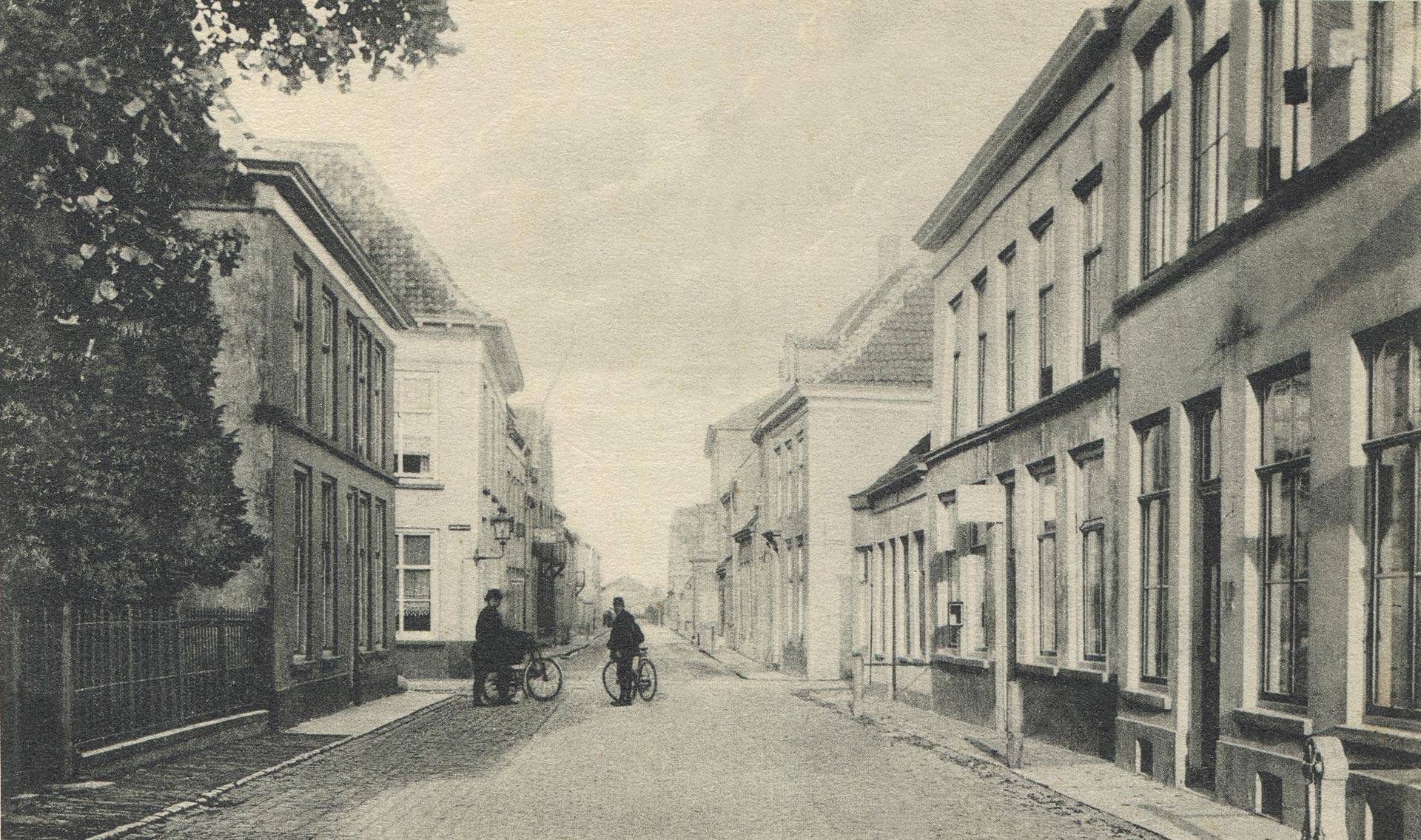
View of the Dinsdagstraat from the Julianastraat. The building on the left with the lantern is on the corner of the Dinsdagstraat with the Lange Wolstraat, and on the right is the bakery shop Juliana owned by the Leenhouts family. In the Julianastraat are several bollards, street furniture which is mainly disappeared.
Zicht op de Dinsdagstraat vanuit de Julianastraat. Het pand links met lantaarn staat op de hoek van de Dinsdagstraat met de Lange Wolstraat, rechts de bakkerij Juliana van de familie Leenhouts. In de Julianastraat staan verschillende stoeppalen, straatmeubilair dat tegenwoordig vrijwel verdwenen is.
Click on the thumbnails to enlarge / Klik op de miniaturen om te vergroten
For both places, a book was printed. The book about Aardenburg is sold out. You can still buy copies of the book about Sluis, which is available from the publisher Durenkamp Grafimedia. Contact us.
Over beide plaatsen werd een boek gepubliceerd. Het boek over Aardenburg is uitverkocht. Het boek over Sluis is nog steeds te koop via de uitgever Durenkamp Grafimedia. Zo was het | Zo is het Sluis kost € 17,50. Verzendkosten (in Nederland € 7,50) . Stuur een bericht voor meer informatie.