
Five Gates Lane

A group of soldiers from the 17th Bat. King’s Liverpool Regiment is marching on Five Gates Lane, taking a left to Grantham. Five Gates Lane, which connects Londonthorpe with Belton, is named like that because, in the past, there were five gates on that road, still not 100 per cent sure where the gates were located.
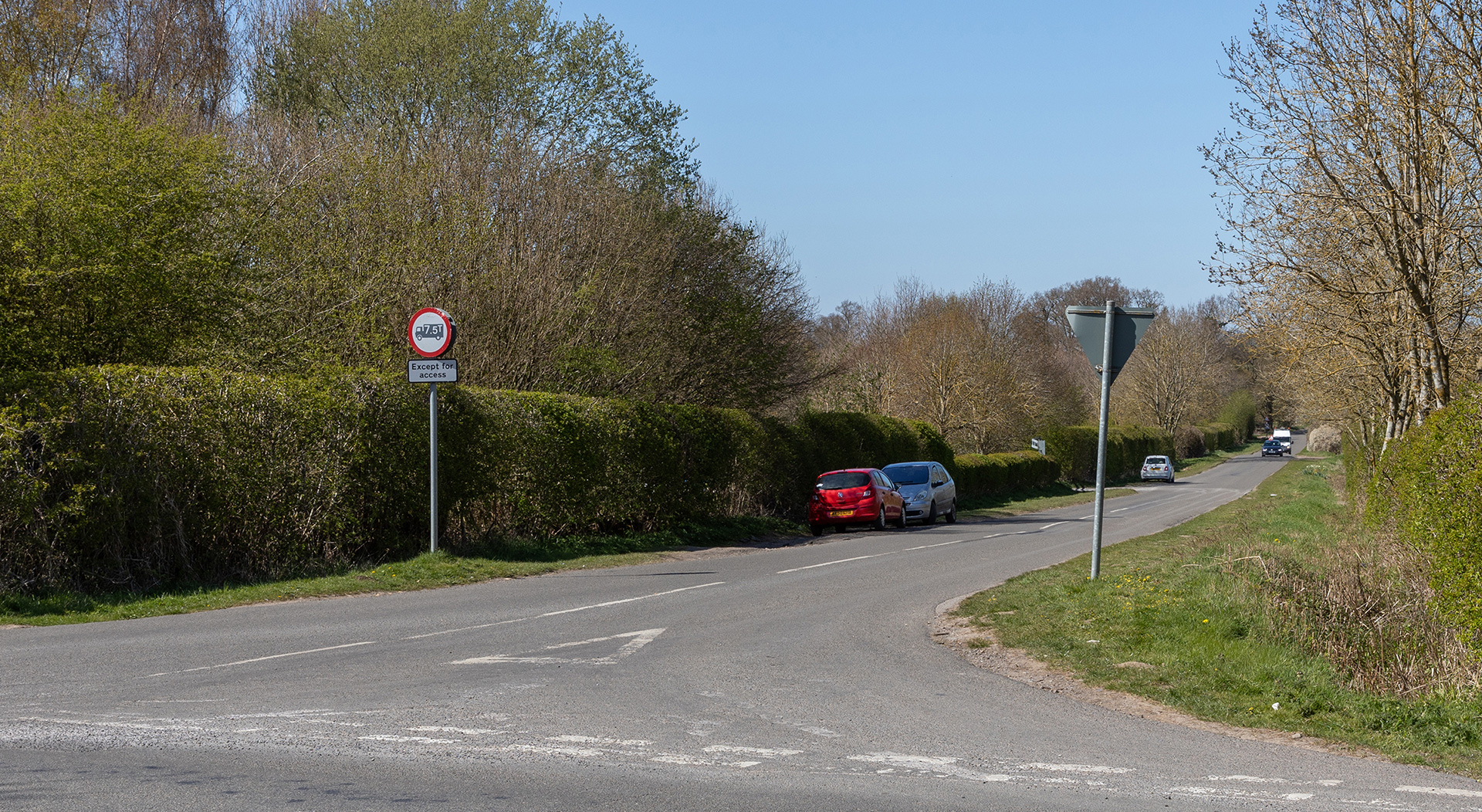
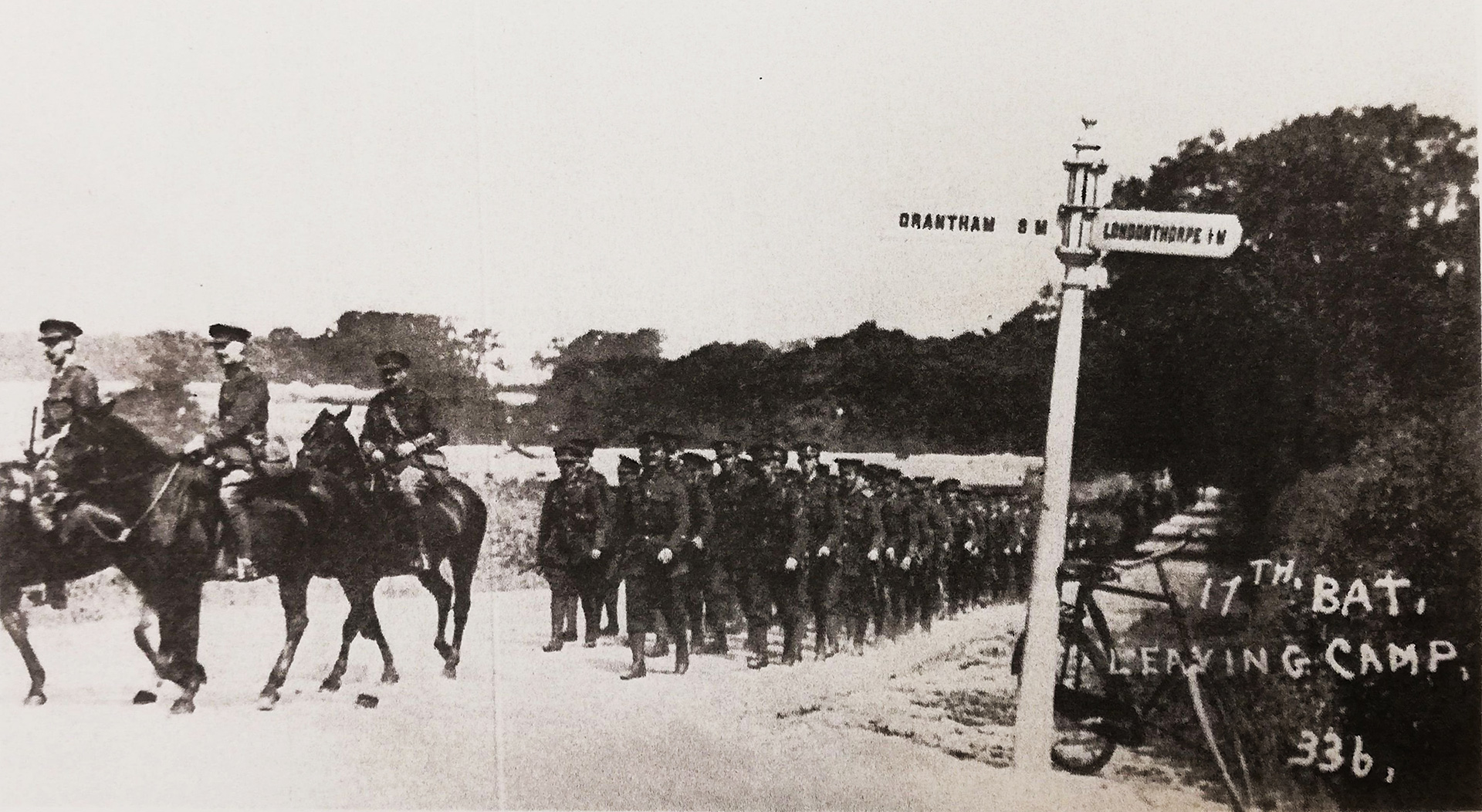
During the First World War, Five Gates Lane ran straight through a military camp that was built in Belton Park to train British and other Commonwealth forces for battle in continental Europe, mainly in France and Belgium.
Adelbert, 3rd Earl Brownlow, and owner of Belton House and the surrounding estate offered the use of his estates at Belton, Lincolnshire and Ashridge, Chiltern Hills, to the War Office soon after war was declared in 1914. As a Privy Counsellor (from 1887), Under-Secretary of State for War (1889-1892) and Volunteer Aide-de-Camp (from 1897) to three monarchs, he had seen the need for a strong army and good training through Britain’s involvement in the Boxer Rebellion and Second Boer War.
From September 1914, bell tents were erected within Belton Park for the temporary accommodation of thousands of soldiers. By April 1915, however, a small town had been built for around 20,000 men of Kitchener’s Army; a military base hospital, churches, YMCA huts, a cinema and its own railway line. New electricity, water and sewerage services were provided and, in a change from the traditional design, each regimental line had separate barracks, latrines, washhouses and mess huts.
Londonthorpe Woods
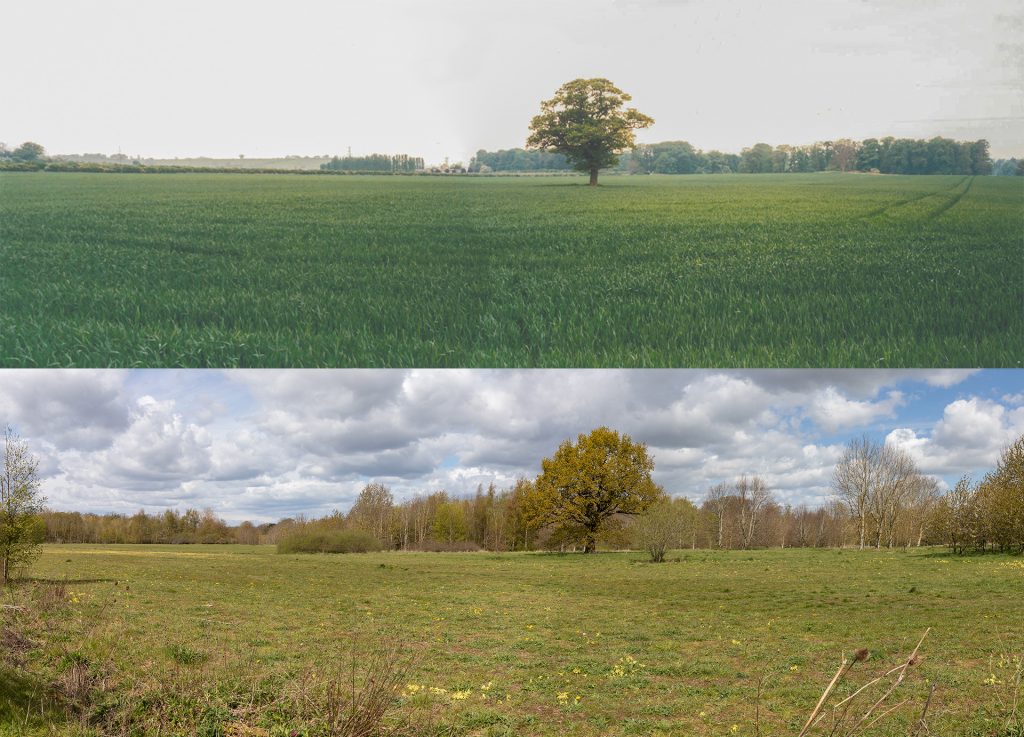
In the 1800s, Londonthorpe Woods was part of the land belonging to the Brownlow family, who owned much of the land in the area, which they rented out to tenant farmers.
The Woodland Trust acquired the site in 1991, with an adjoining 30 acres purchased in 1994. The trust planted predominantly native broadleaf species and smaller, and more scattered groups of trees and scrub in three phases between 1993 and 1995. Large areas retained grassland. The planting design reflects the wider landscape, in particular that of neighbouring Belton House.
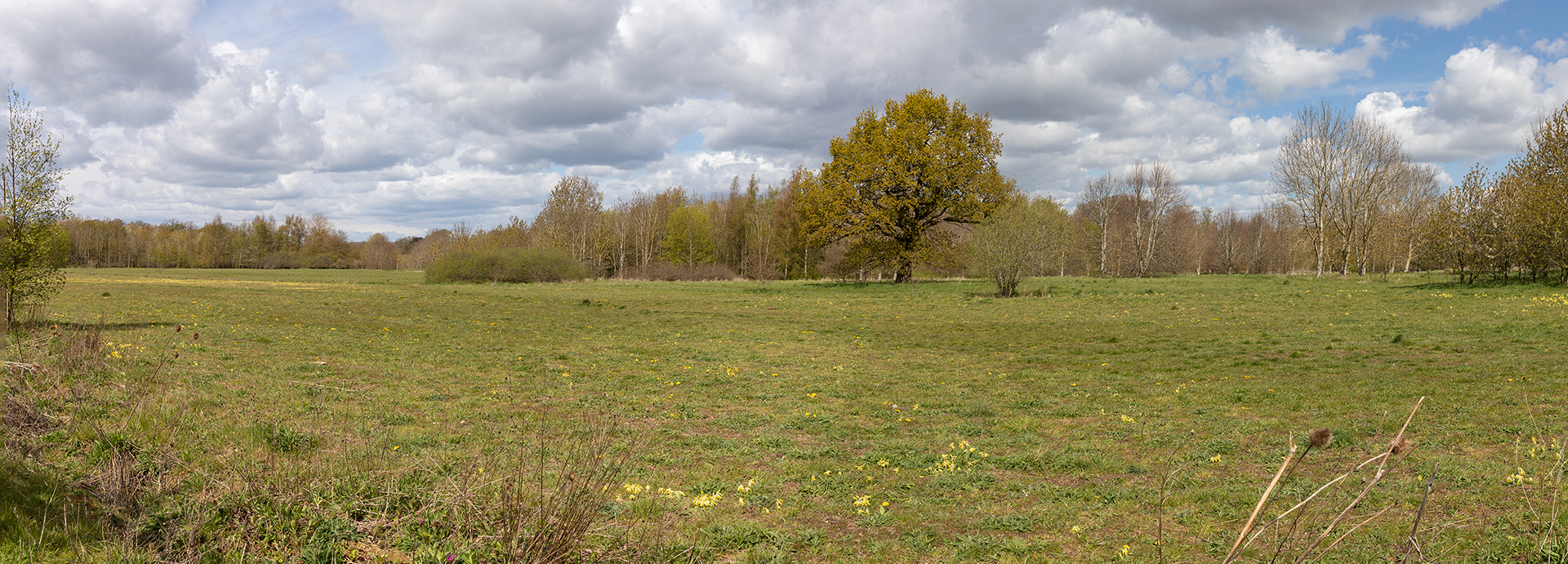
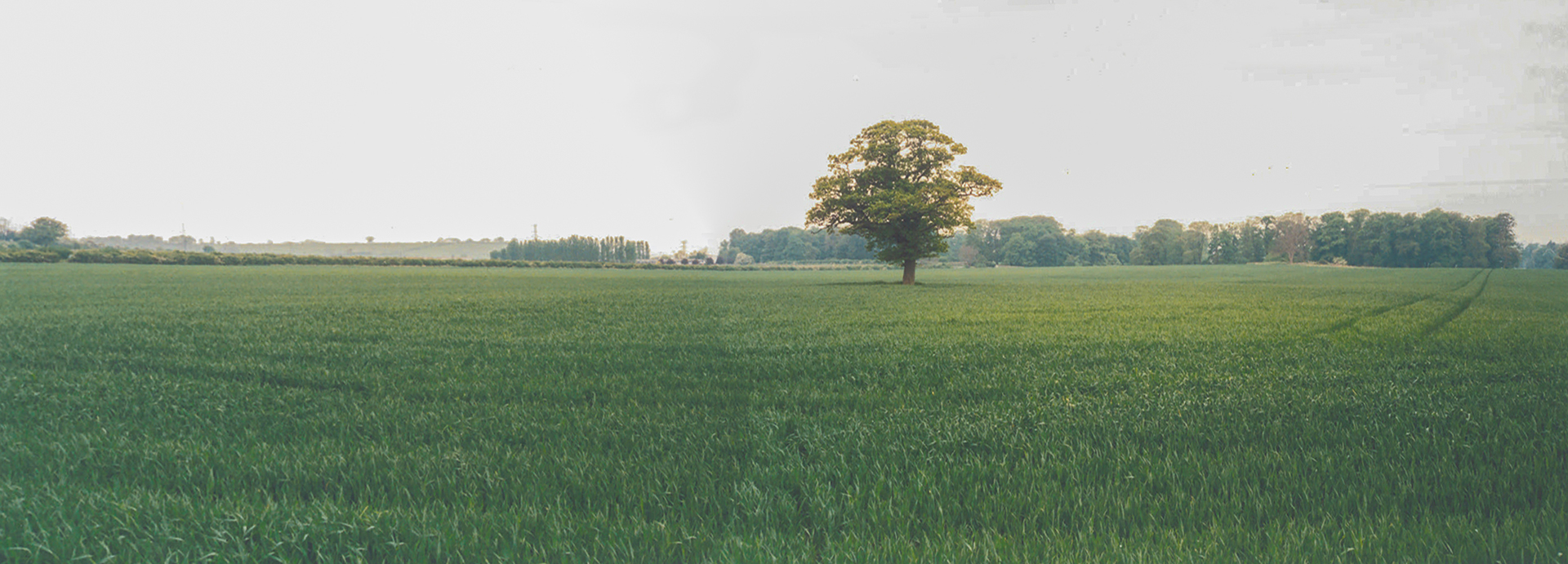
Together with the National Trust, and supported by the National Lottery Heritage Fund, the Woodland Trust an ongoing project is establishing links between Londonthorpe Woods and Bellmount, the eastern part of the Belton House estate, and Alma Woods, east of Grantham’s Alma Park Industrial Estate. The project will reconnect Grantham to its historic landscape and unite accessible green space on the edge of Grantham to help even more people experience nature on their doorstep.
On the village
Would you like to add your story and recollection? Leave a comment at the bottom of this page or send a message.
More pictures
Would you like to add pictures? Send a message.
Domesday Book
Londonthorpe was a settlement in Domesday Book, in the hundred of Threo and the county of Lincolnshire.
It had a recorded population of 36 households in 1086, putting it in the largest 20% of settlements recorded in Domesday, and is listed under 3 owners in Domesday Book.
1. Land of King William

- Households: 6 villagers. 21 freemen.
- Ploughland: 5 men’s plough teams.
- Other resources: Meadow 44 acres. 1 mill, value 10 shillings.
Owners
- Tenant-in-chief in 1086: King William.
- Lord in 1086: King William.
- Lord in 1066: Queen Edith.
2. Land of Salisbury (St Mary), bishop of
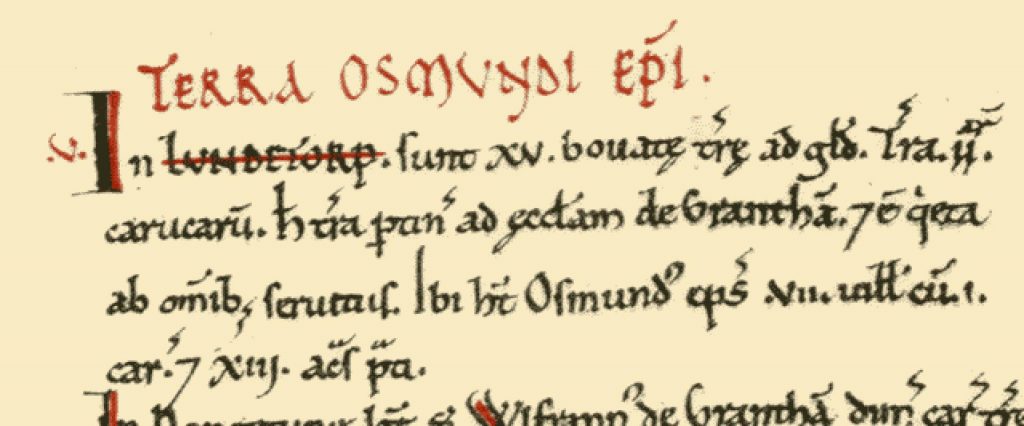
- Households: 7 villagers.
- Ploughland: 2 ploughlands. 1 men’s plough teams.
- Other resources: Meadow 13 acres.
Owners
- Tenant-in-chief in 1086: Salisbury (St Mary), bishop of.
- Lord in 1086: Grantham (St Wulfram), church of.
- Lord in 1066: Salisbury (St Mary), bishop of.
3. Land of Kolgrim (of Grantham)

- Households: 1 villager. 1 smallholder.
- Ploughland: 0.8 ploughlands. 0.5 men’s plough teams.
Owners
- Tenant-in-chief in 1086: Kolgrim (of Grantham).
- Lord in 1086: Kolgrim (of Grantham).
- Lord in 1066: Roald (father of Thori).
Links
- Londonthorpe Wood – Woodland Trust
- Reconnecting Grantham to its historic landscape
- Londonthorpe Woods, Belton Park, Bellmount and Alma Woods – Fixed Point Photography
- Belton House and the First World War
Would you like to add a link? Send a message.