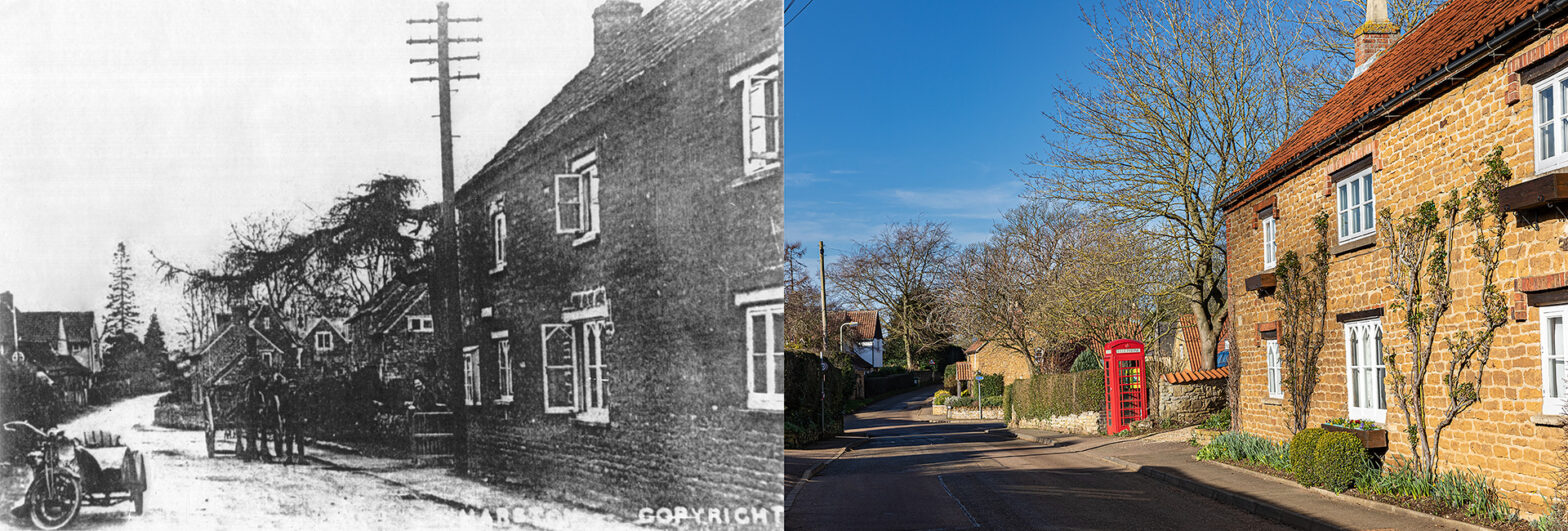
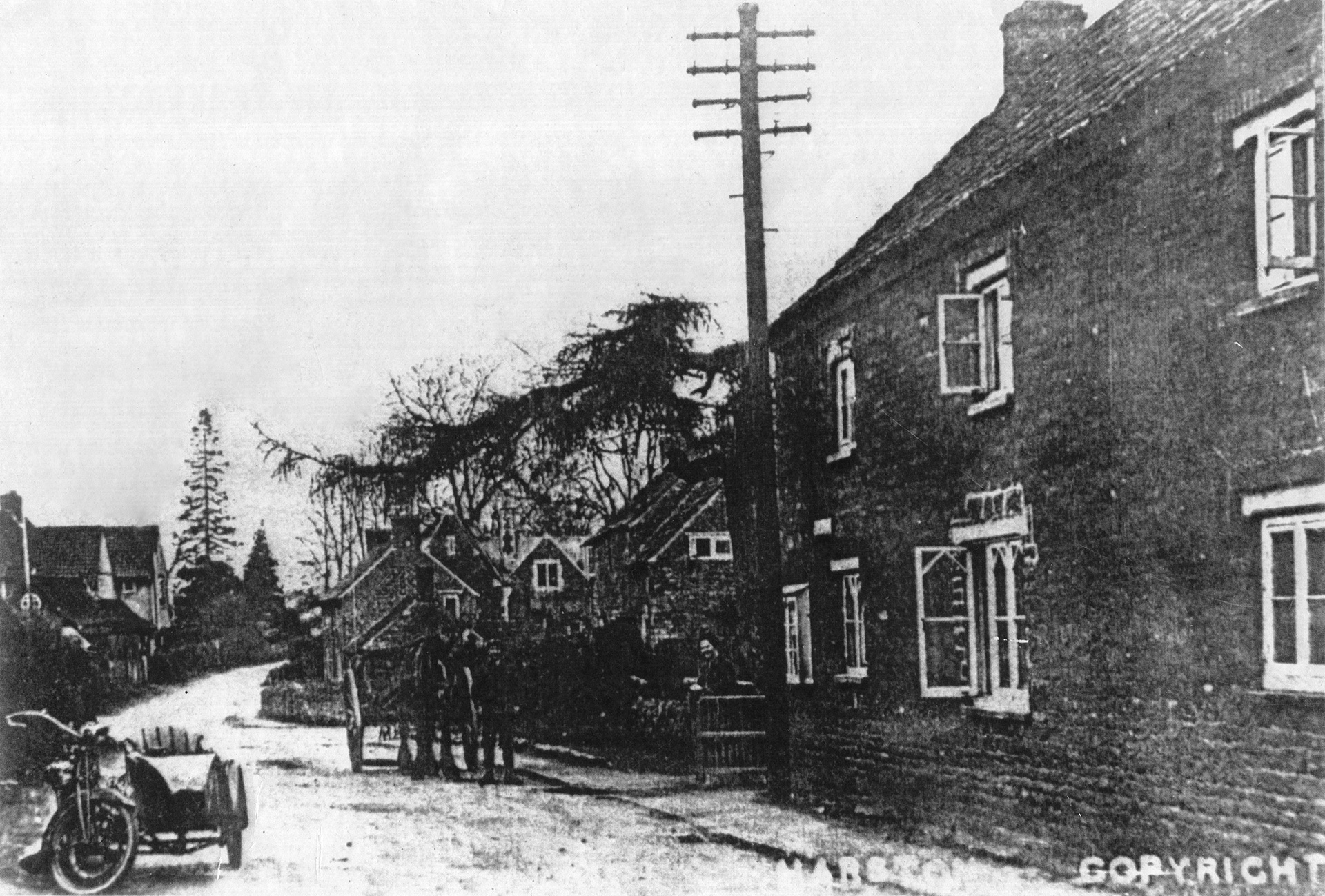
Denton Lane – Around 1910
A strong wind stirred the trees of Algar House’s garden in Harston, with a lovely sunny view south of the valley towards Croxton Kerrial. In the conservatory, the lady of the house, Denise Morton and her friend Alice Epton shared memories of their village. Denise pointed out: “In the past, all Harston properties but one were part of the Welby Estate which, with the Duke of Rutland as their close neighbour, owned most of the land and property in the area.”
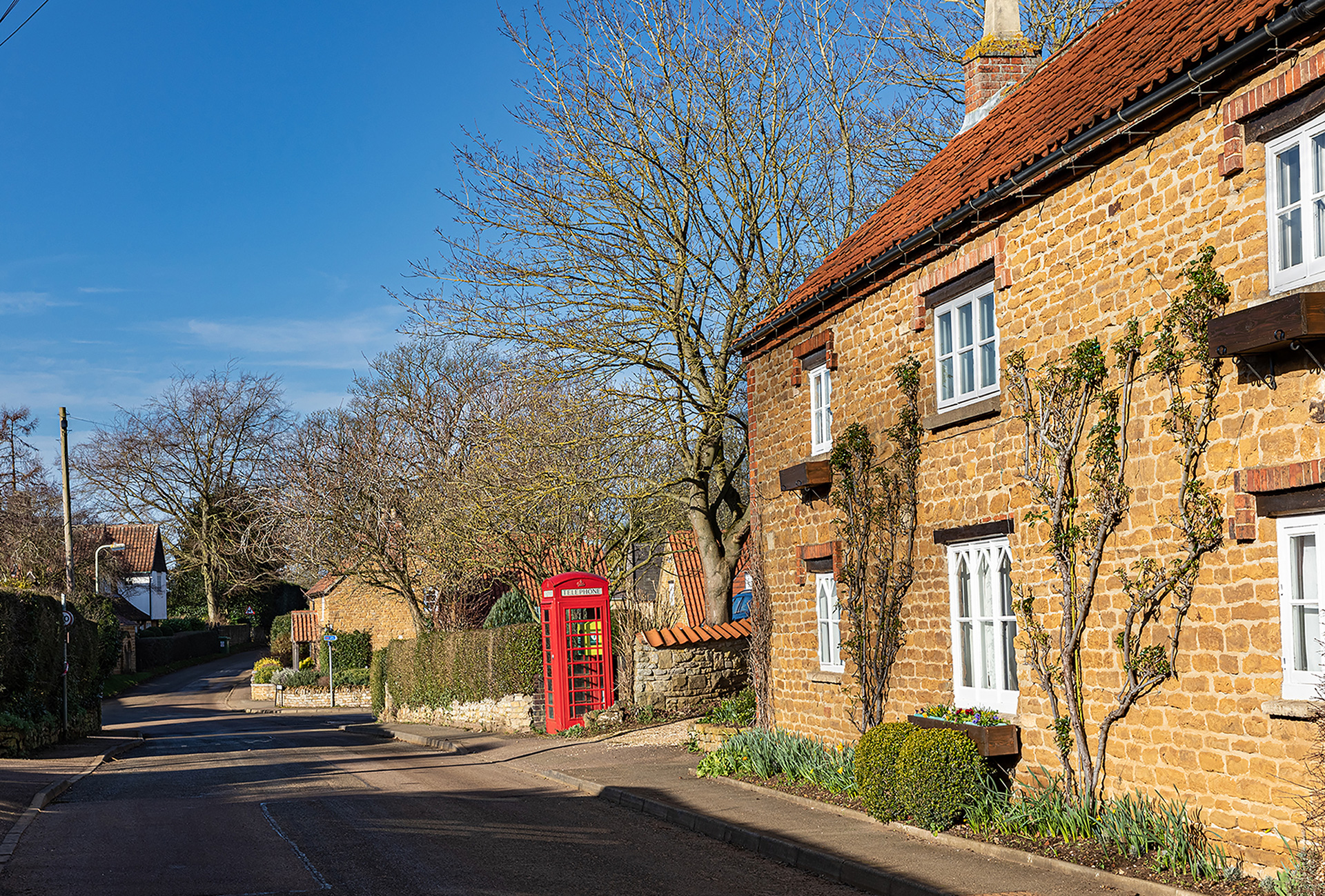
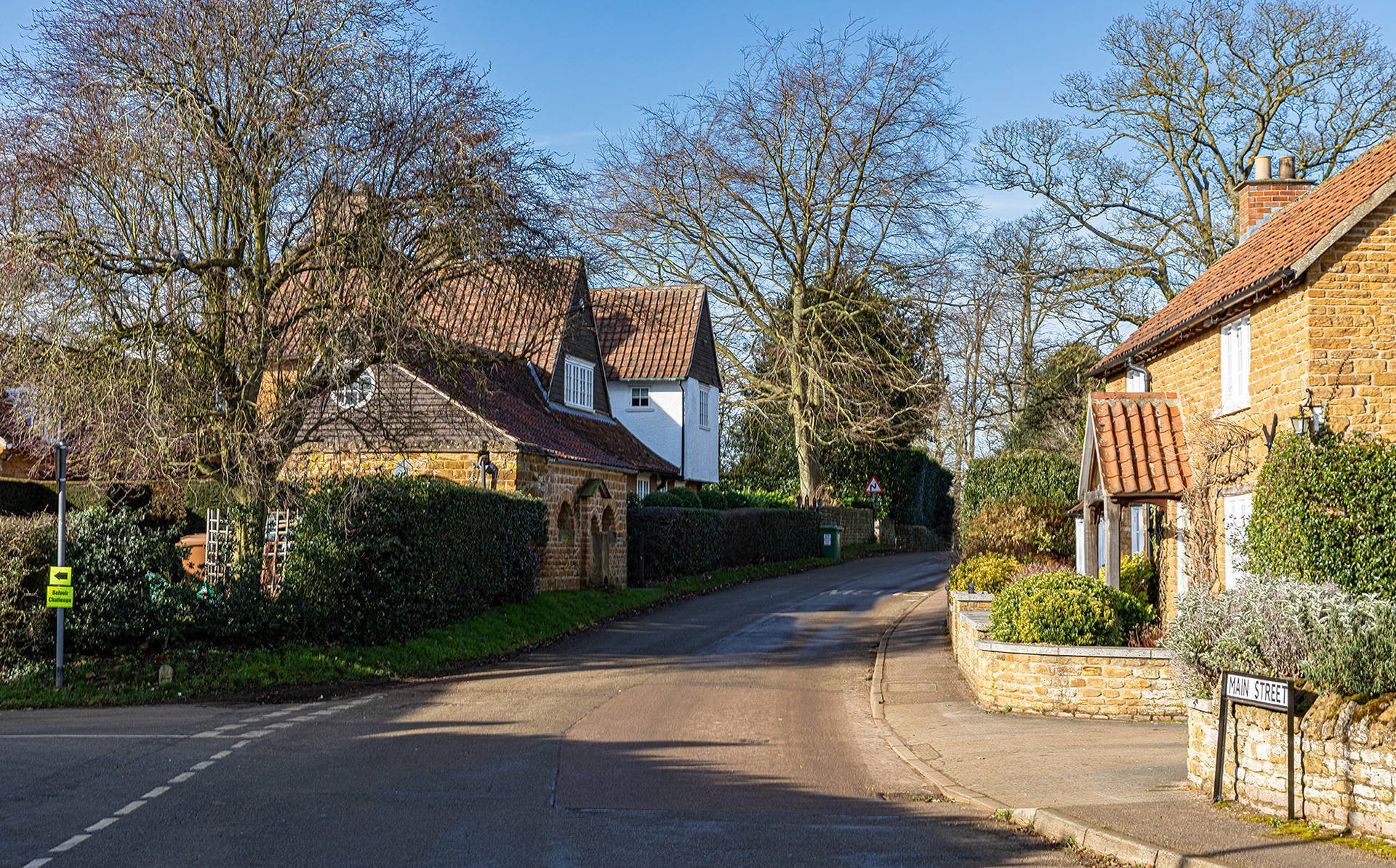
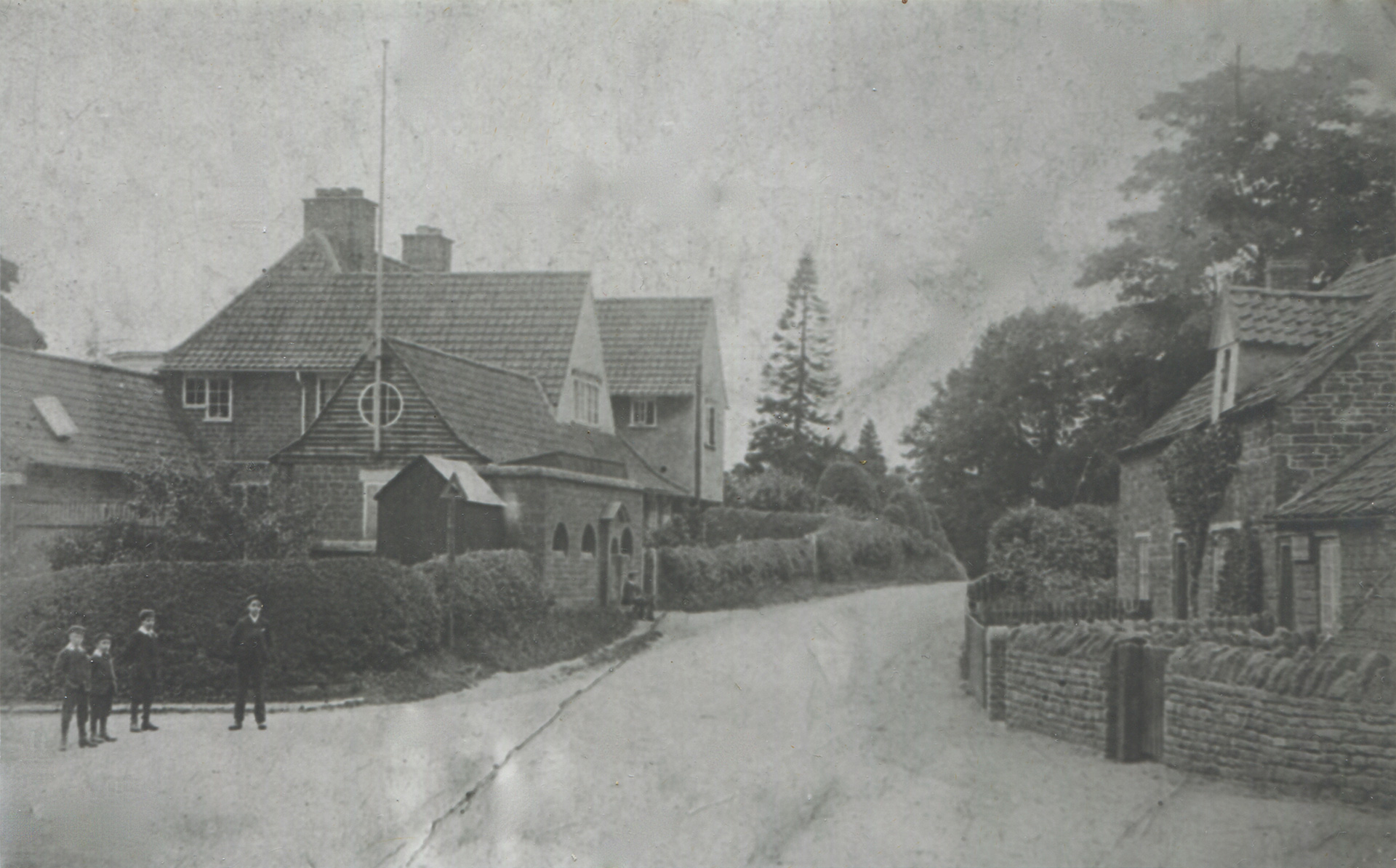
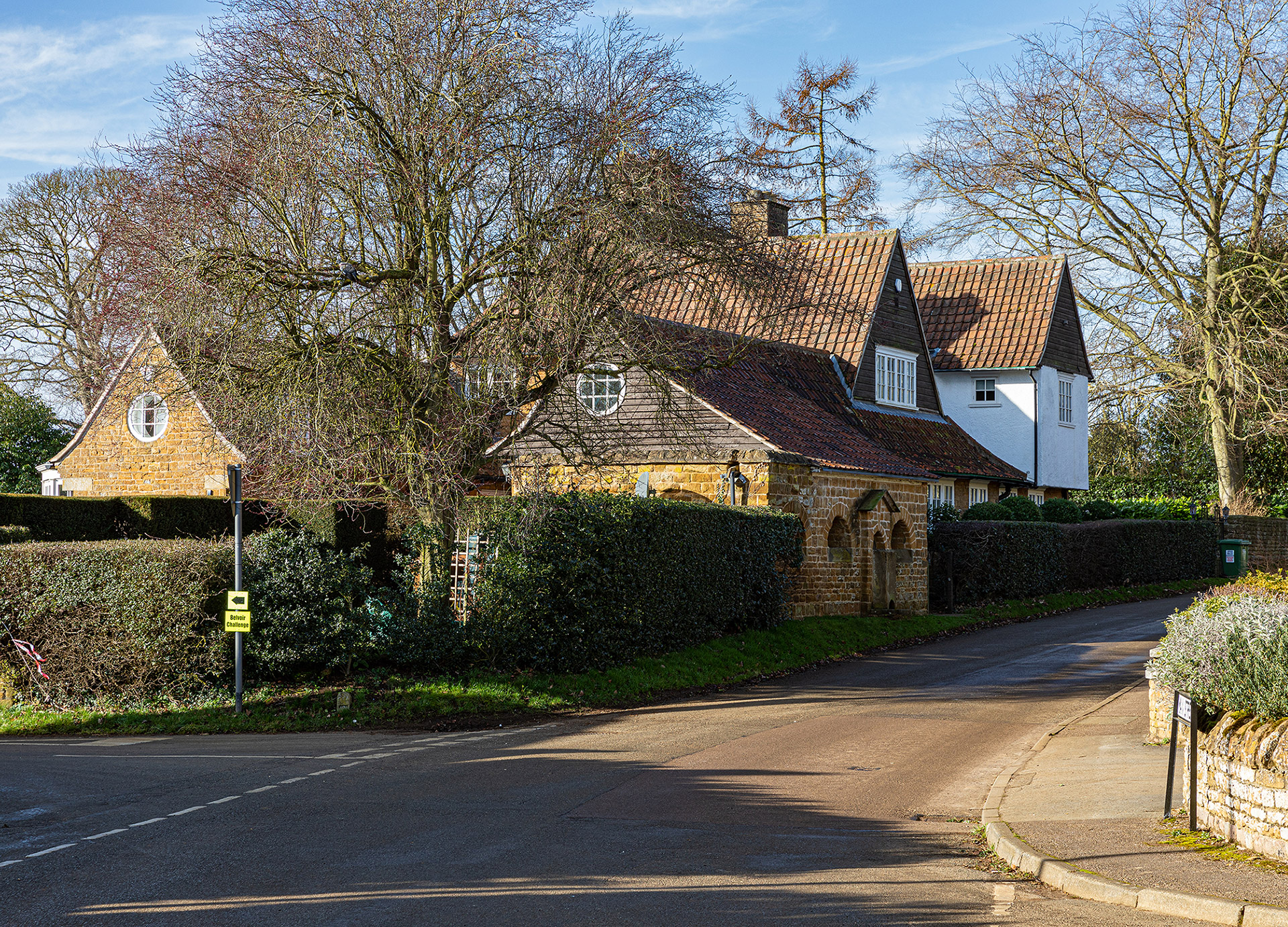
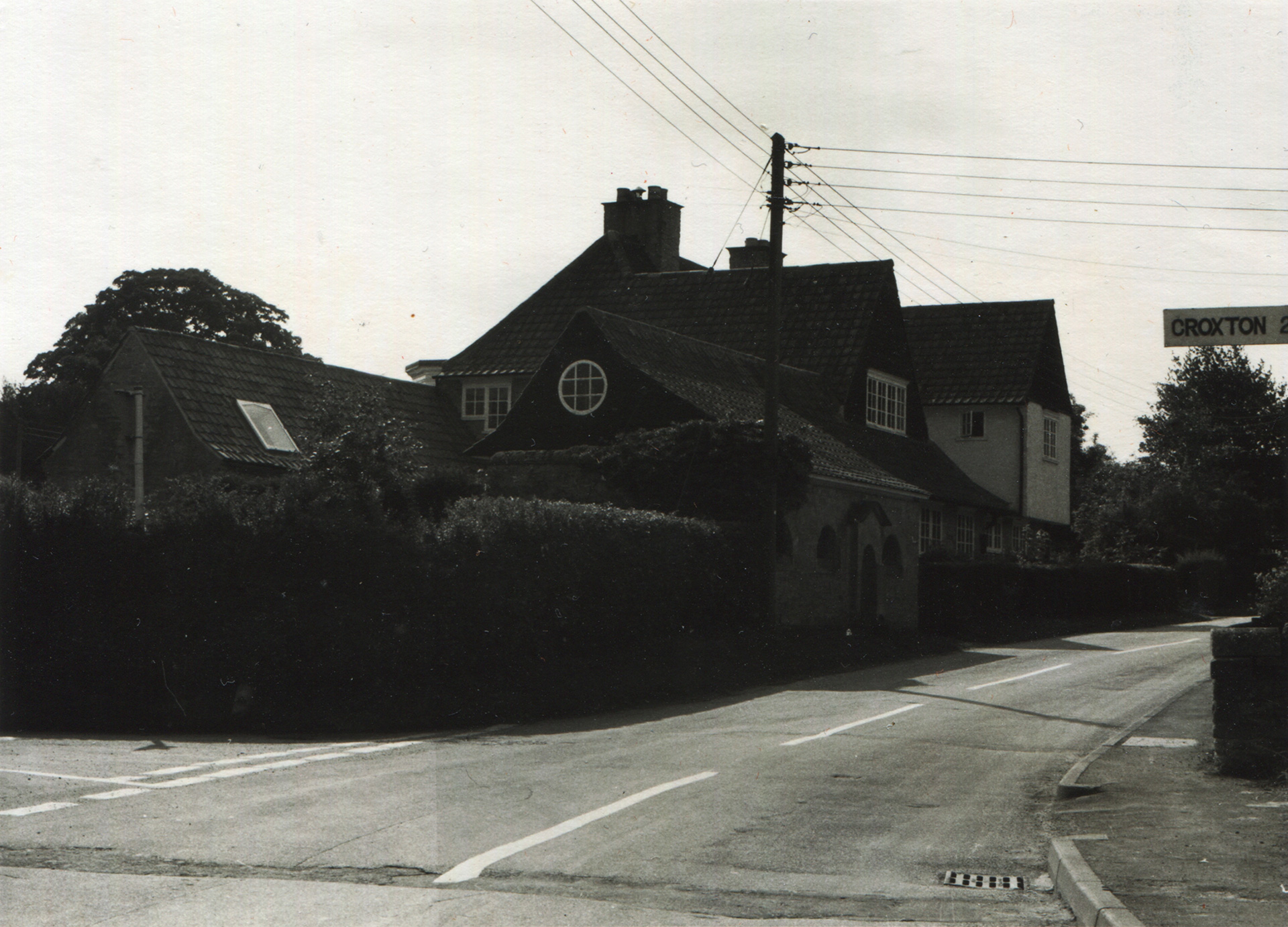
There are few pictures of the old street view which illustrate the story. We focussed on a rare copy of a postcard taken from Denton Lane towards the crossroads to Woolsthorpe by Belvoir, Knipton and Croxton Kerrial. On the left, Crossway, a rather big house was built as a rectory. Denise recollected: “We moved to the village in 1975 and lived in Crossway for some time. A friend, Barry Grice, wrote a detailed report in 1979 on the property for a course he was following with the Open University.” His research concluded Crossway was built in 1900-1901 after two cottages were demolished.
Barry Grice noted: “Crossway is a symbolic name because the property is standing at one corner of the only crossroad in Harston, in proximity to the village school, shop, church, pub and houses of the local gentry, playing its part in all aspects of village life.” “Opposite Crossway on Main Street was the school,” said Denise. Alice added: “The school was built with a teacher’s residence in 1868 and closed in the late 1950s.” In the old postcard behind the man with the horse and the cart, the former school is obscured by two small cottages. One cottage hosted the village’s reading room. The other was also the local pub. Now both cottages are rebuilt into one dwelling.
In the old picture, next to the wired pole, where the woman stood, was the Post Office. Alice recollected: “All the cottages for farm and ironstone workers were one up one down with a kitchen and outside toilets. Families had several children with hardly any room at all. That was even in 1962 when I came to the village.” The row of cottages on the right, now also one dwelling, bathes in the sun, with bustling bulbs in front. Spring is just around all four corners of Harston’s crossroad.
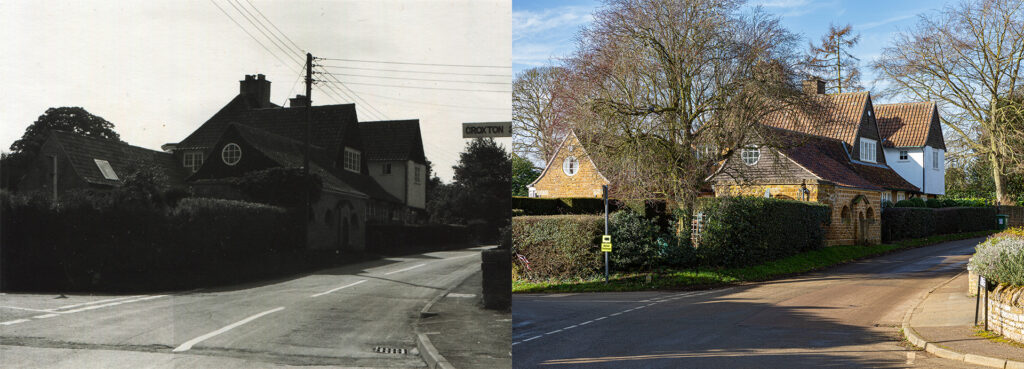
Crossway – 1905
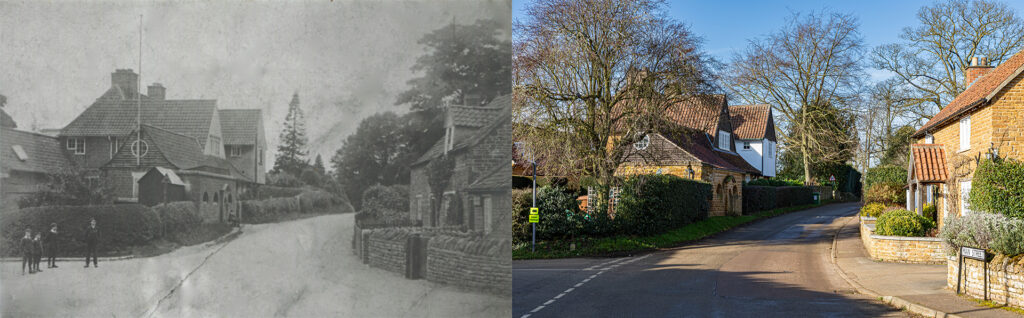
When Crossway was built, 1900-1901, Harston had shrunk to half the size, gradually losing its shop, pub and school and only just managing to retain its Post Office and the tiny church as the agricultural population dwindled and mechanization took over on the local farms. Barry Grice described in his history on Crossway accurately the story of the different rectories Harston had in the past.
“The original village rectory became uninhabitable during the first half of the 19th century and a new one was built at his own expense by a member of the Welby family having acquired the living of Harston in 1816.” This statement is based on what the Rev. John Wood wrote in his History of Harston: “1830 – John Welby built himself a new rectory and the old house and garden were let until 1879.” Barry Grice continued: “He was succeeded first by his kinsman Earle Welby and then by the Rev. Potchett, who died in 1899. Meanwhile the old rectory had been pulled down and the Wigram family built themselves a large house on the site.”
Barry Grice: “The Welbys, who were not only the ancient patrons of Harston Church, having largely rebuilt it around 1870, but also included the Potchetts within their social circle, decided to allow his widow to continue to rent the new rectory from them. This close friendship was confirmed by Mr Jackson’s reference to the Welby custom of having religious services conducted by the Rev. Potchett at Denton Manor despite the existence of their own family church and village rector at Denton.”
“Alternative accommodation (Crossway) was speedily required for the new rector, C.W. Knox. The Welby family built this for him on land which they owned close to the church, the two cottages being demolished to make way for its green. During construction the new rector rented rooms in Marchall’s farmhouse.” Alice recollected: ‘Harston had two larger farms. Additionally, a smallholding called Marshall’s Farm was situated left of the parked sidecar motorcycle. They had some cows and provided milk.”
Barry Grice: ‘Presumably the intention was that when Mrs. Potchett either died or left the village the rector would be free to move into the official rectory, both buildings being owned by Welby. In the event, Harston and Knipton livings were combined and subsequent rectors chose to live in the larger village of Knipton.”
“The rector’s occupation of Crossway lasted only a few years before he emigrated to Canada. The house [rectory] was then taken over by a family [as a private house] who employed a cook, two housemaids and a nursemaid. The servants at Crossway were able to perform most of their duties without interfering with family privacy by using the service corridor, which connected the entrance hall and their working quarters, or the small servants’ stair, which gave them access to the half landing and thence the attic bedrooms, without being visible from the hall.”
Barry Grice: “The well built ‘revivalist’ creations tended to be spared the fate of other cottages which were demolished as they were left empty and decayed, resulting in an increased emphasis on the village’s ‘picturesque’ feature.”
Crossway – 1979
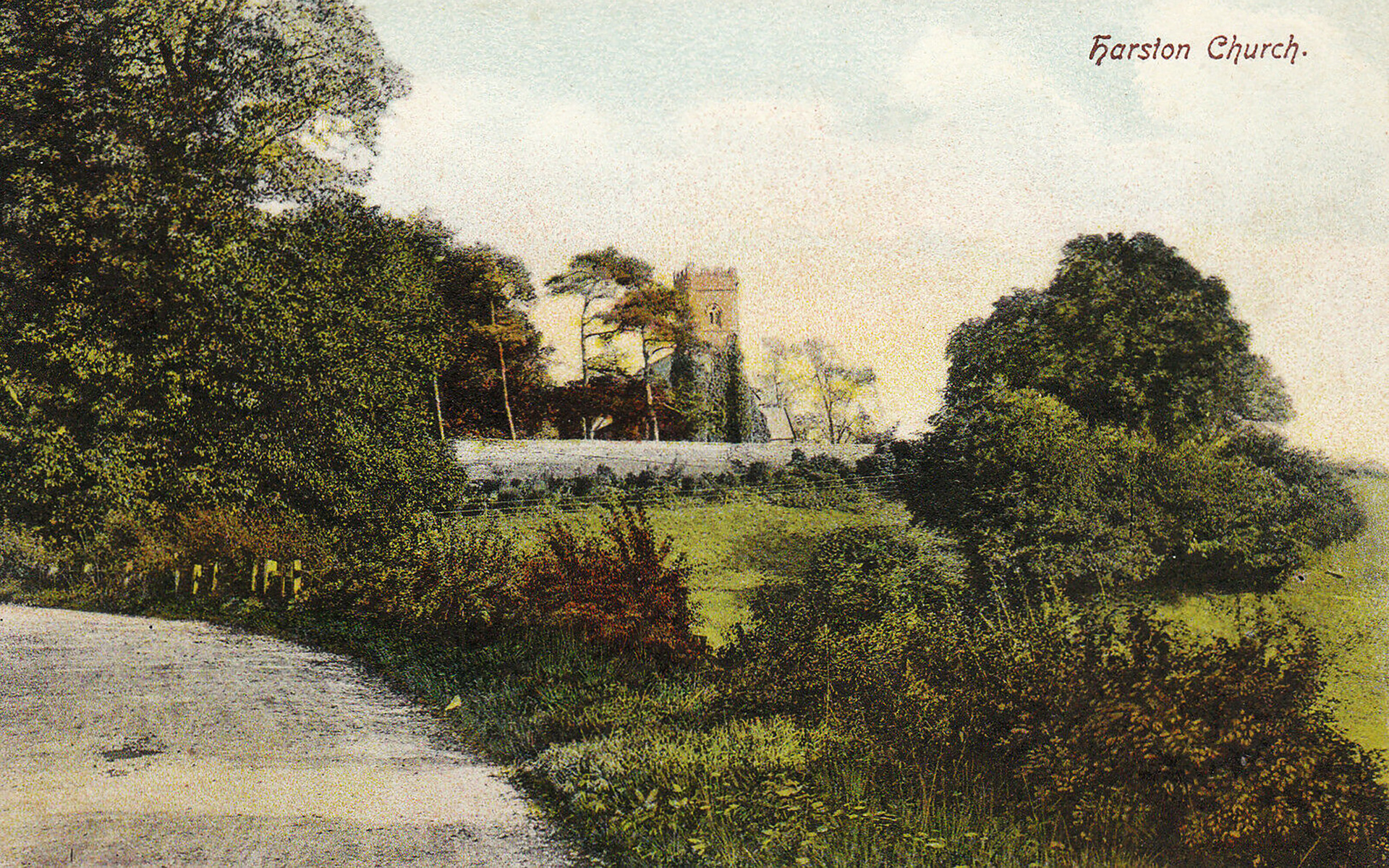
Saint Michael and All Saints’ Church
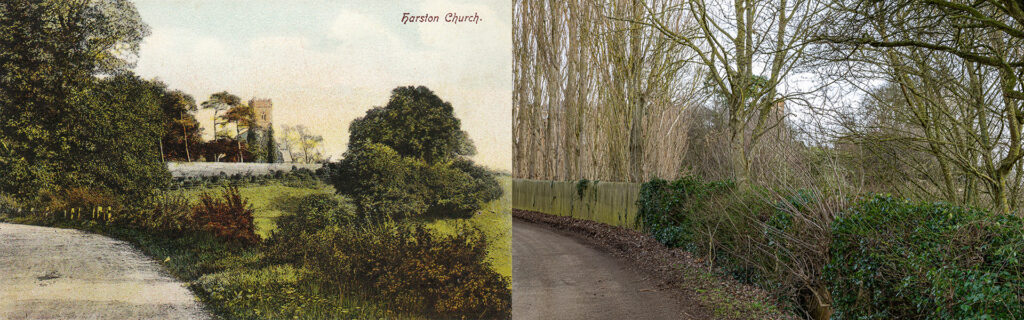
“In the 1930s whilst extensions were being added [at the village church], workmen recovered two large pieces of a 9th century Saxon Cross indicating the existence of a Saxon place of worship two hundred years before the Norman Conquest,” wrote René Mouraille in the Archaeological Report for Algar House. “The site is surrounded by beautiful rolling countryside, and the area is steeped in both history and untouched archaeology.”
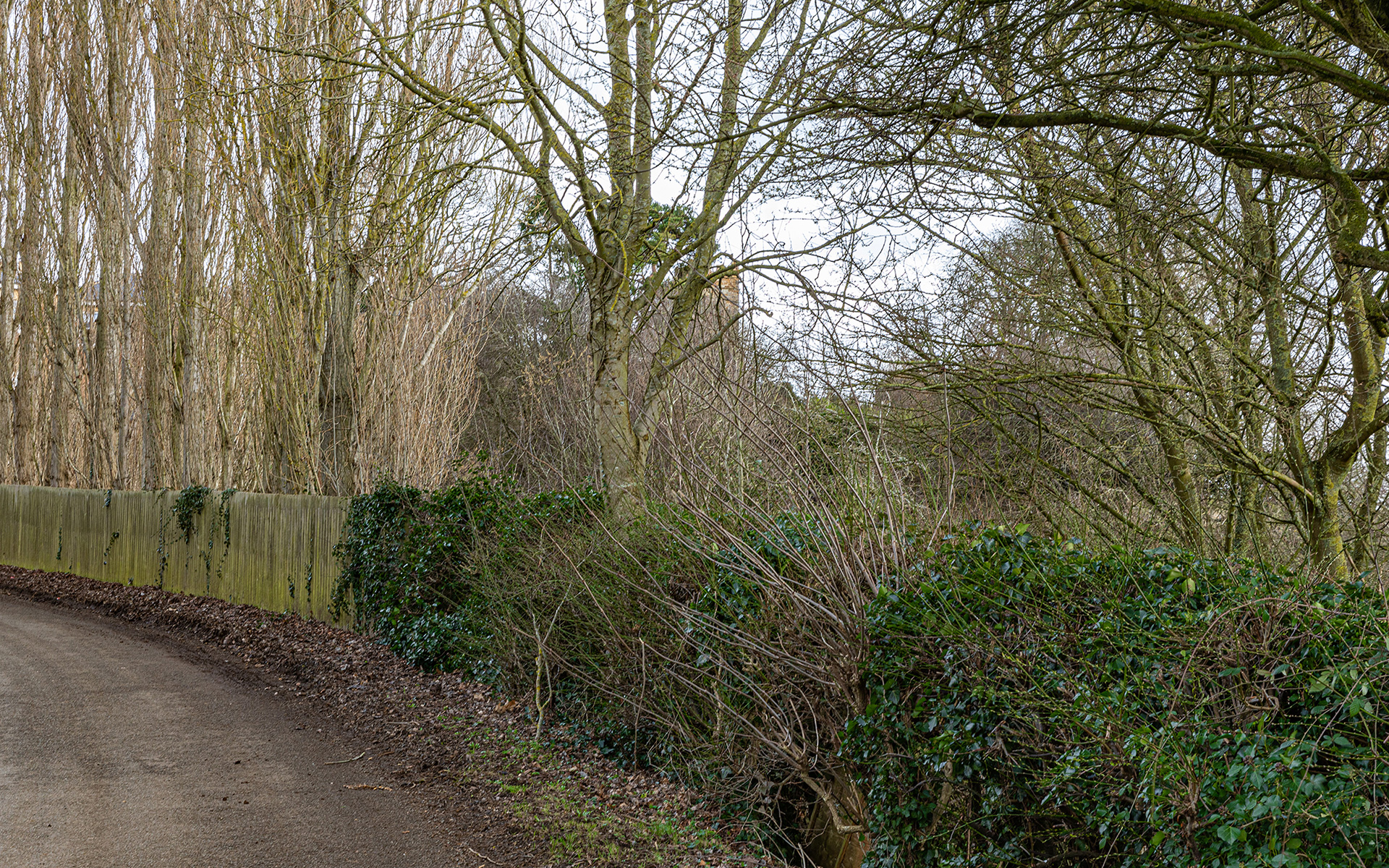
On the village
Did the village change that much? Alice explained: “The village has changed a great deal. When I came here, one house was privately owned. And now all are privately owned and altered a lot. Particularly the last ten years, it is really changed.”
Would you like to add your story and recollection? Leave a comment at the bottom of this page or send a message.
More pictures
Would you like to add pictures? Send a message.
Domesday Book
Harston was a settlement in Domesday Book, in the hundred of Framland and the county of Leicestershire.
It had a recorded population of 26 households in 1086, putting it in the largest 40% of settlements recorded in Domesday.
Land of King William

- Households: 5 villagers. 20 freemen. 1 smallholder.
- Ploughland: 6.5 men’s plough teams.
- Other resources: Meadow 17 acres.
Valuation
- Annual value to lord: 17 pounds in 1086; 10 pounds when acquired by the 1086 owner.
Owners
- Tenant-in-chief in 1086: King William.
- Lord in 1086: Hugh son of Baldric.
- Lord in 1066: Earl Morcar.
Links
Would you like to add a link? Send a message.