A day off
It is late afternoon when I am on the bus to Oxgangs, an Edinburgh suburb, on my way to the apartment where I stay for the week. Magical pink colours break through the dark grey sky above the Pentland Hills, southwest of Edinburgh. Oxgangs, only about a 15-minute walk to the foot of the hills, was mostly farmland and considered to be part of the countryside until 1953 when development of the area started. Sizeable public housing estates were built for low to middle-income groups: bungalows, lower flats, and council-owned high-rise tower blocks, the latter being demolished in 2003 and 2006.
In the morning, the sky is full of thick mist. Because of the weather, it will not be a fun day off, the only one during my stay in Glasgow and Edinburgh. I am not complaining though.
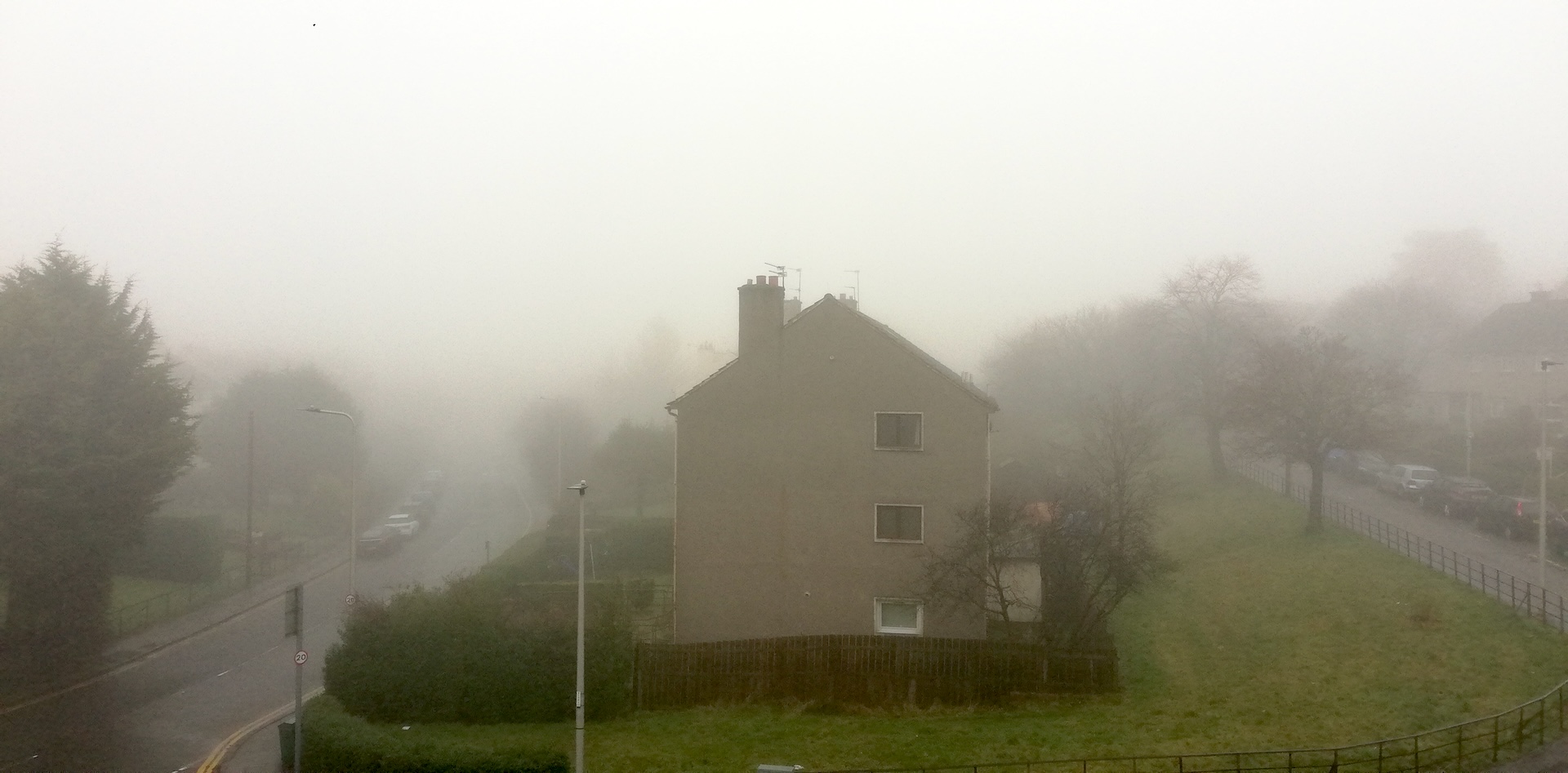
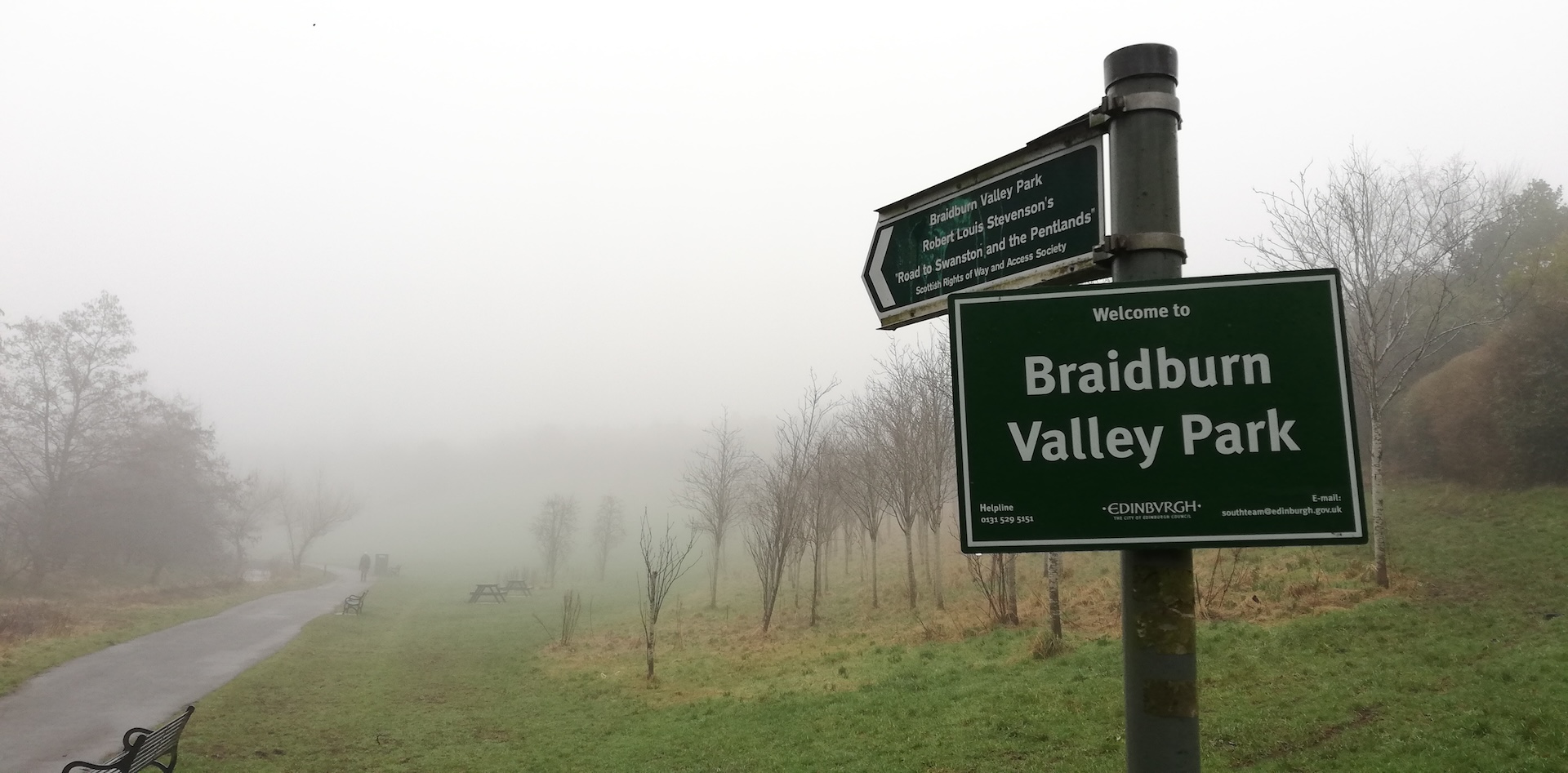
I start the day by walking towards the city centre, strolling through Braidburn Valley Park, a long, stretched green valley with houses on top of both hills.
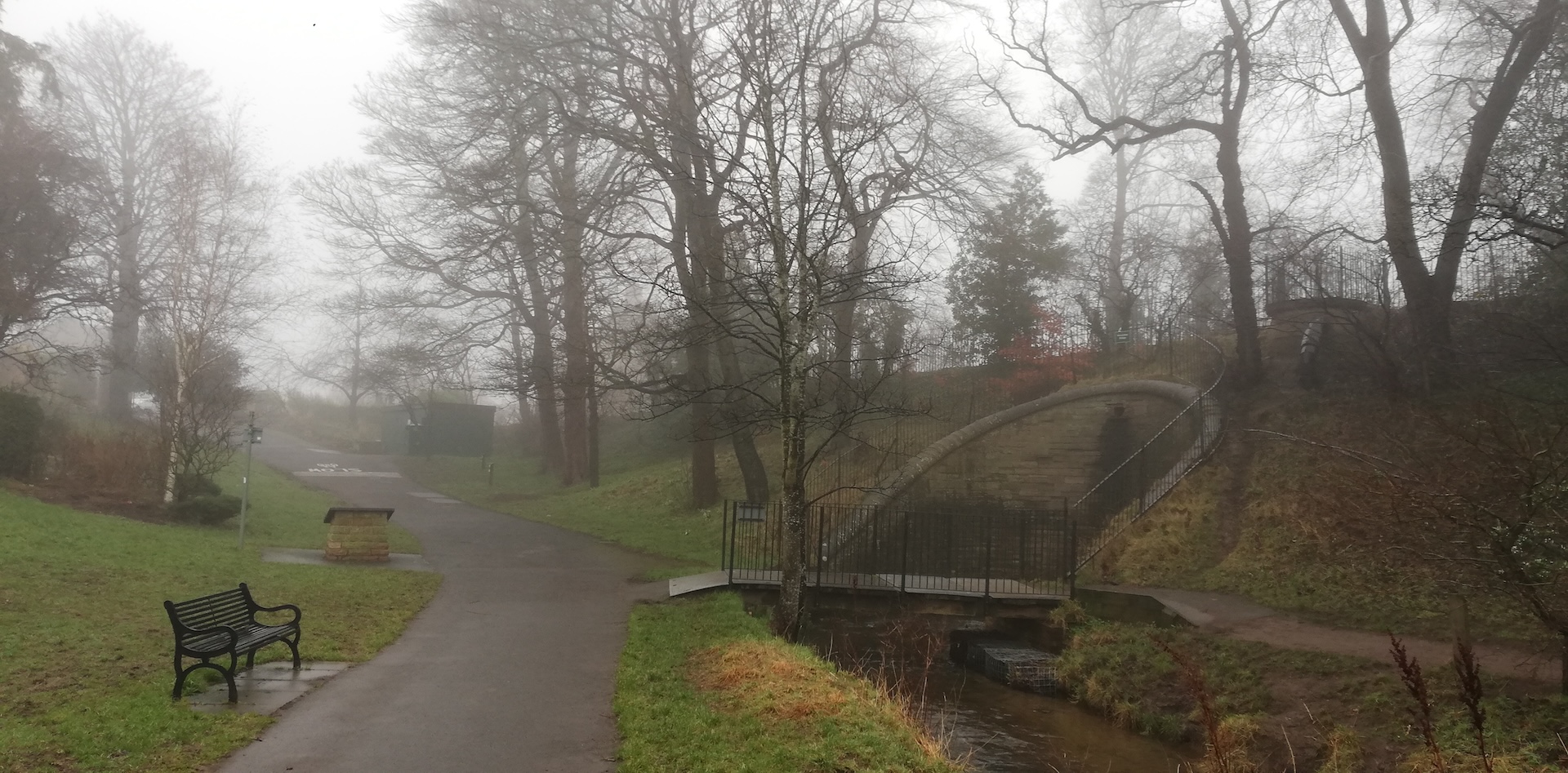
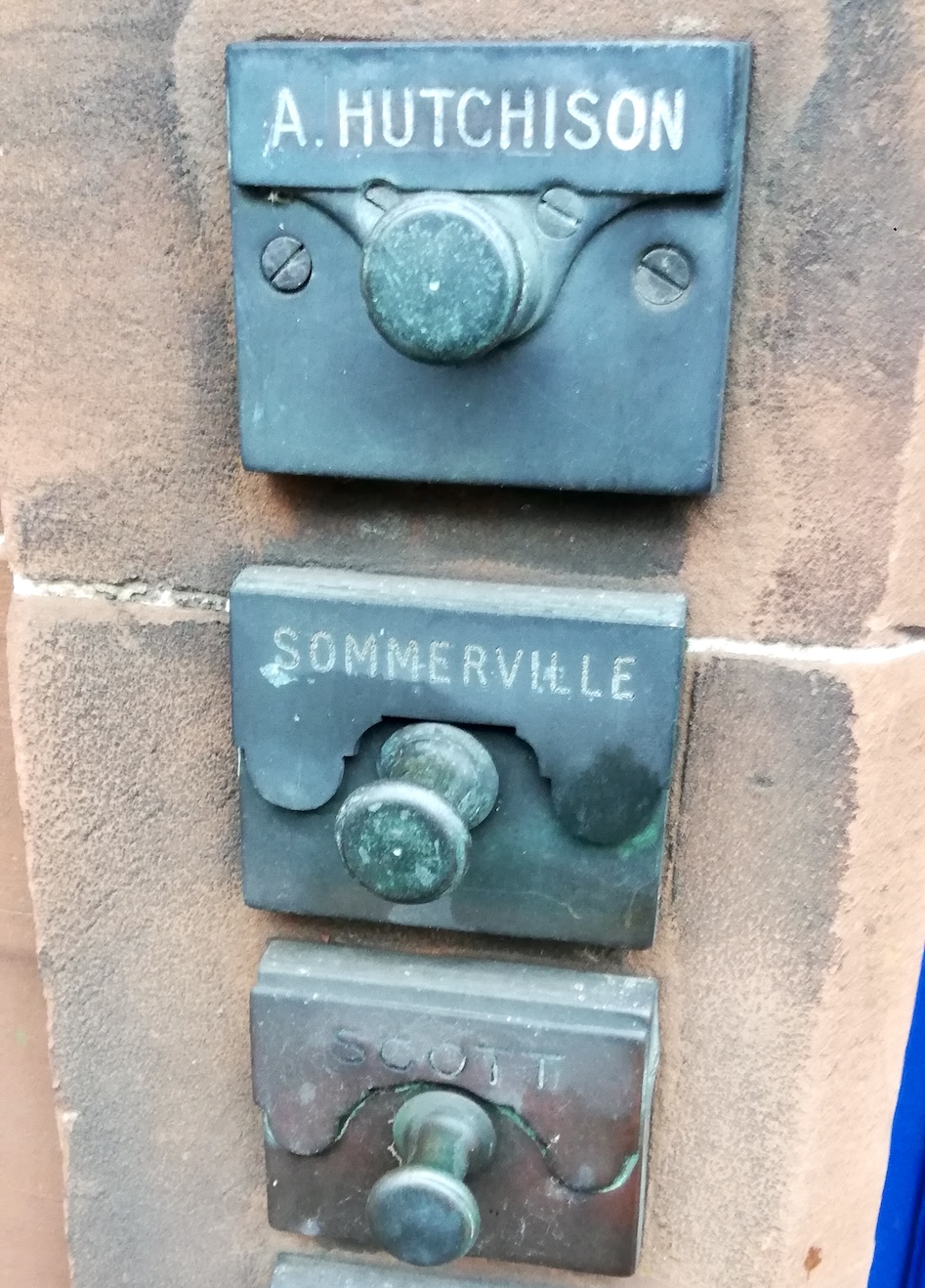
At Greenbank, the hills join, and I walk further towards Morningside. The more you go towards the centre of Edinburgh, the older and lovelier the houses get. Two and three-storey dwellings were built around the turn of the 19th/20th century on both sides of the A702, the old main road from Biggar, a town in South Lanarkshire near the River Clyde. It are apartments, some with old doorbells still in place, although they are not working any more. I love these kind of details.
My first stop is at Blackwood Coffee on Morningside Road, where I take a proper Sunday breakfast: scrambled eggs, salmon, asparagus and toast with marmalade. That will keep me going for a while.
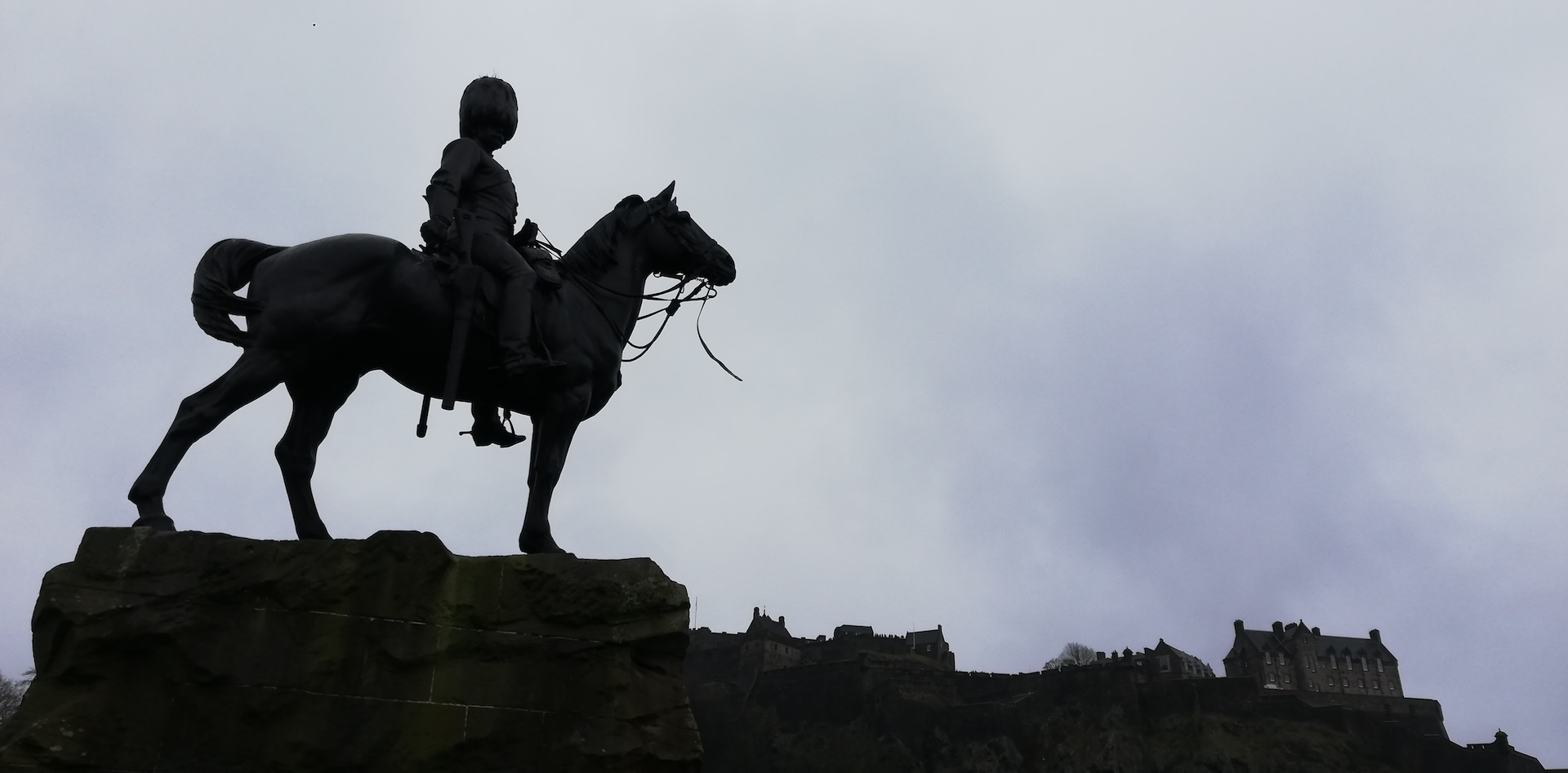
I take the bus to Princes Street, the main shopping street of Edinburgh’s New Town. French flags are all over the place. The mist is becoming less dense. The Royal Scots Greys Monument is a lovely foreground for a view on Edinburgh Castle.
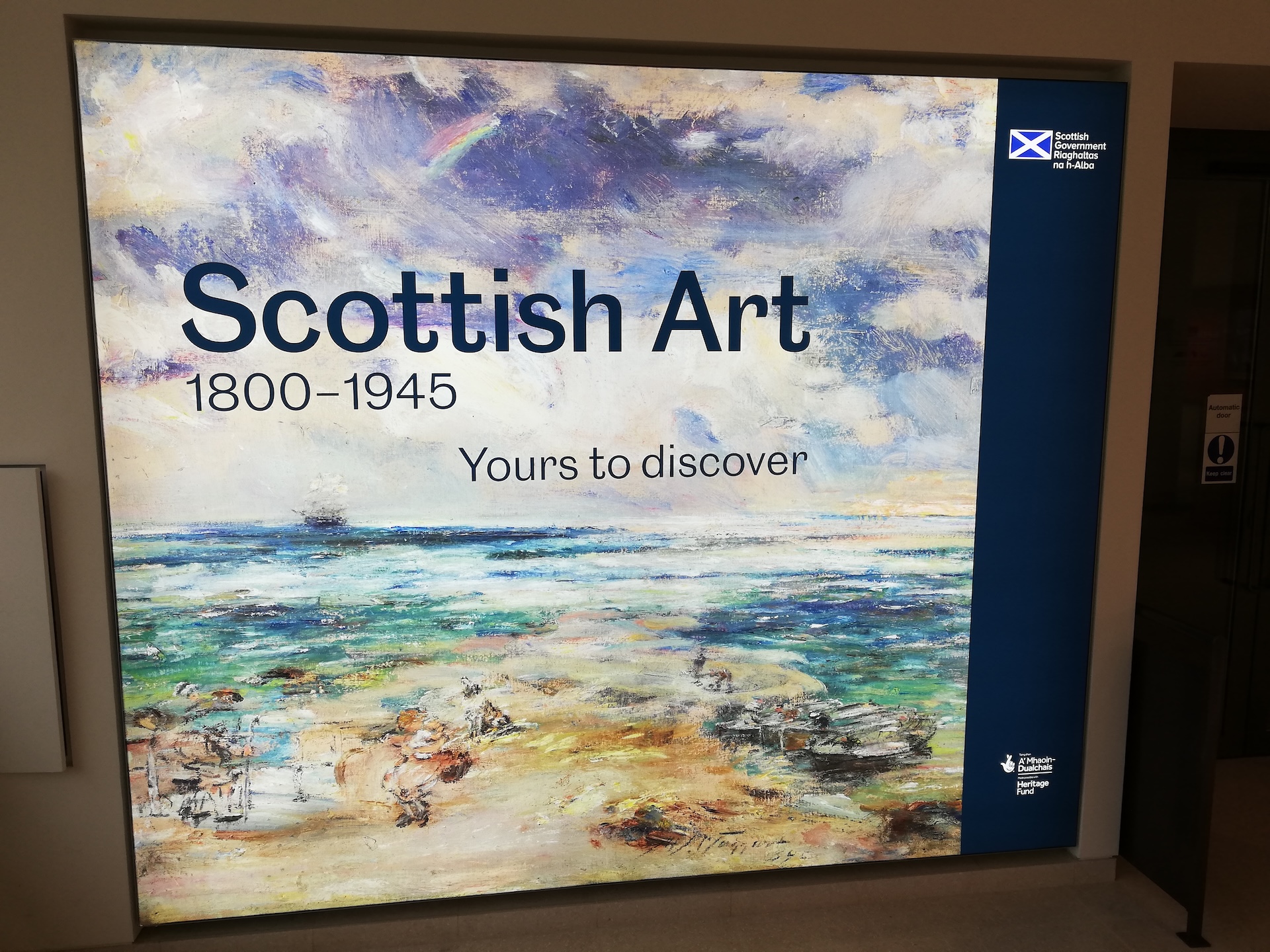
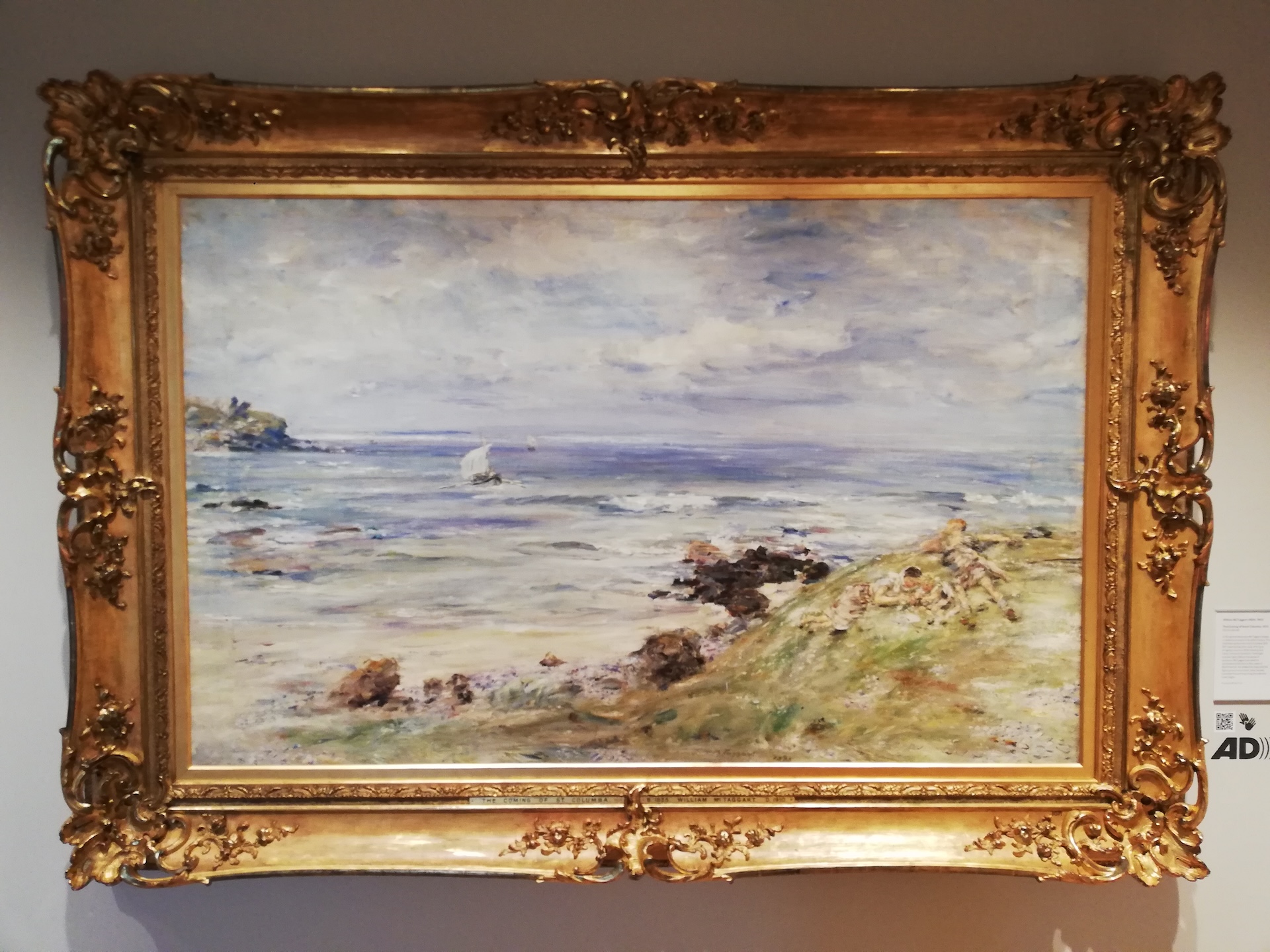
The National Galleries is my next stop. First, I write a bit about my wanderings – I am two days behind – and then I revisit the Scottish Art (1850-1940) exhibition I saw in Edinburgh in December last year. I love the paintings of William McTaggart (1935-1910), especially The Coming of Saint Columba, which was painted in 1895. There are a few other seascape-like paintings of McTaggart.
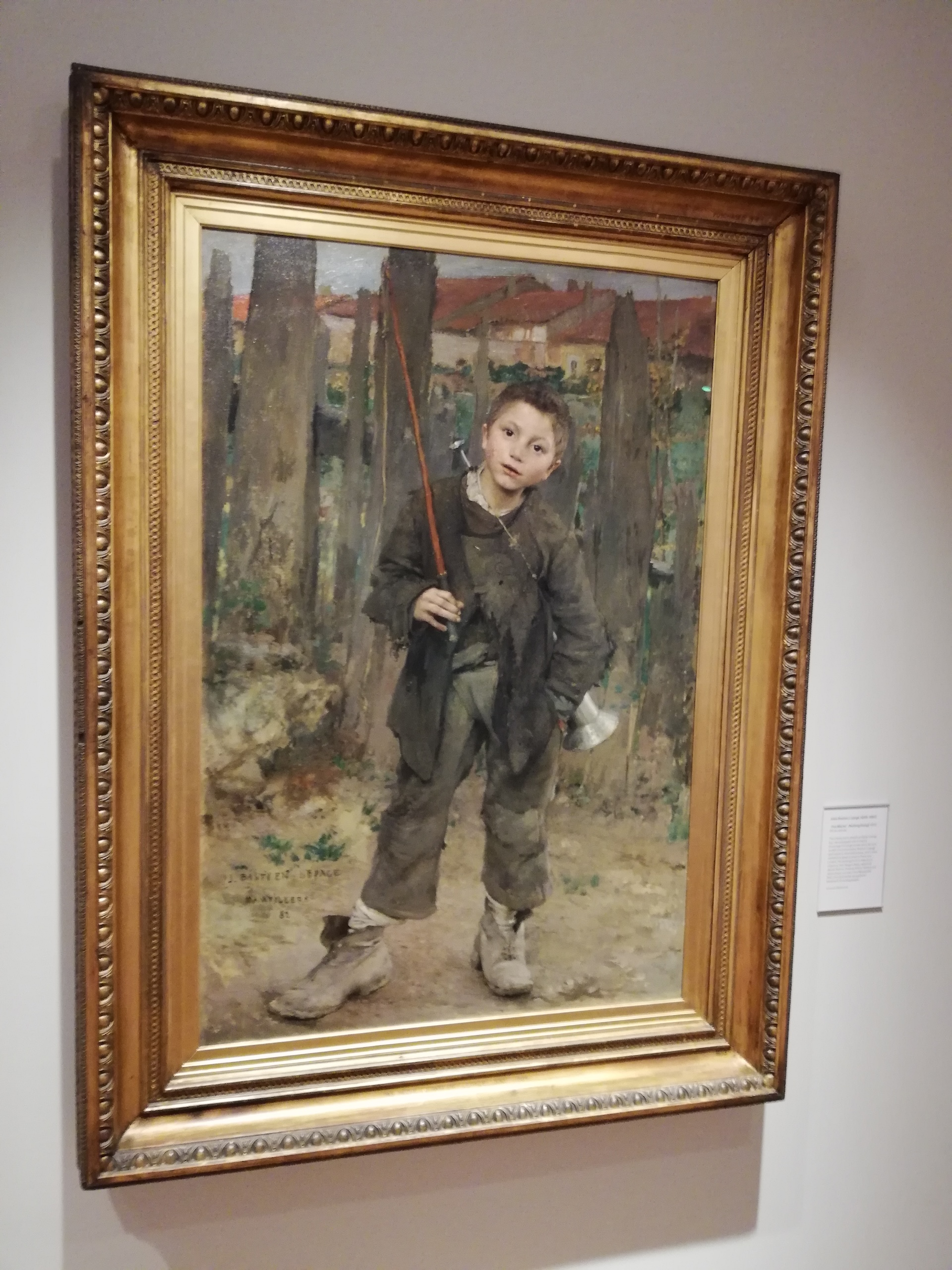
And I have another good look at ‘Pas Mêche’ Nothing Doing (1882) of Jules Bastien-Lepage (1848-1884) about a lad, “certainly a barge boy” because he is equipped with a whip to encourage the barge horses and e tin horn to alert the lock masters. I love the expression in the boy’s eyes, partly gazing and partly full of hope.
Framing the city, about how painters depicted Edinburgh through the years, and Picturing Landscapes, how the diverse Scottish landscapes were painted, are two of my favourite parts of the exhibition.
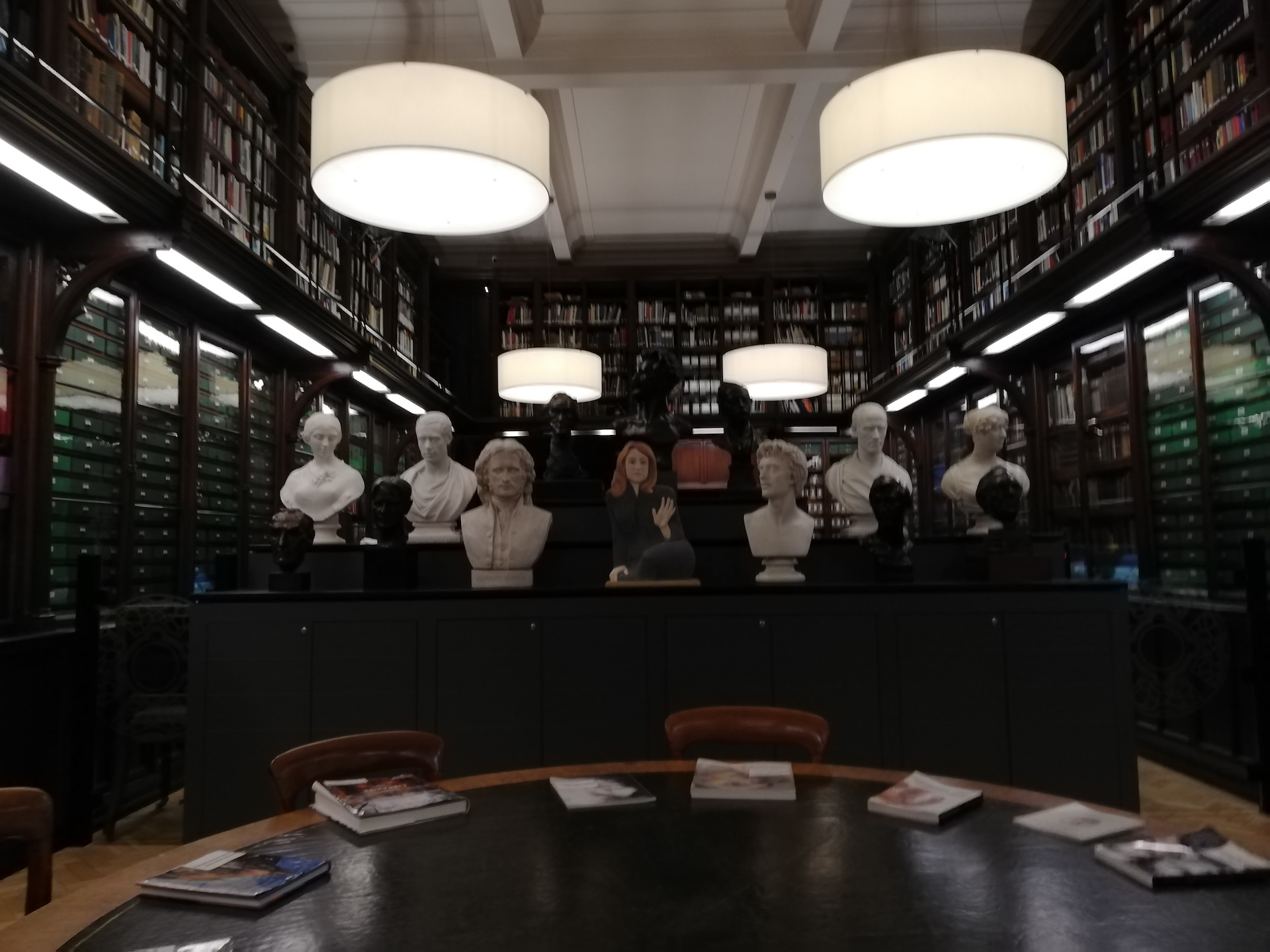
When it is time for an appointment I have made, I walk to the Botanic Garden, with a brief stop at Portrait Galleries, only to have a look in their library.
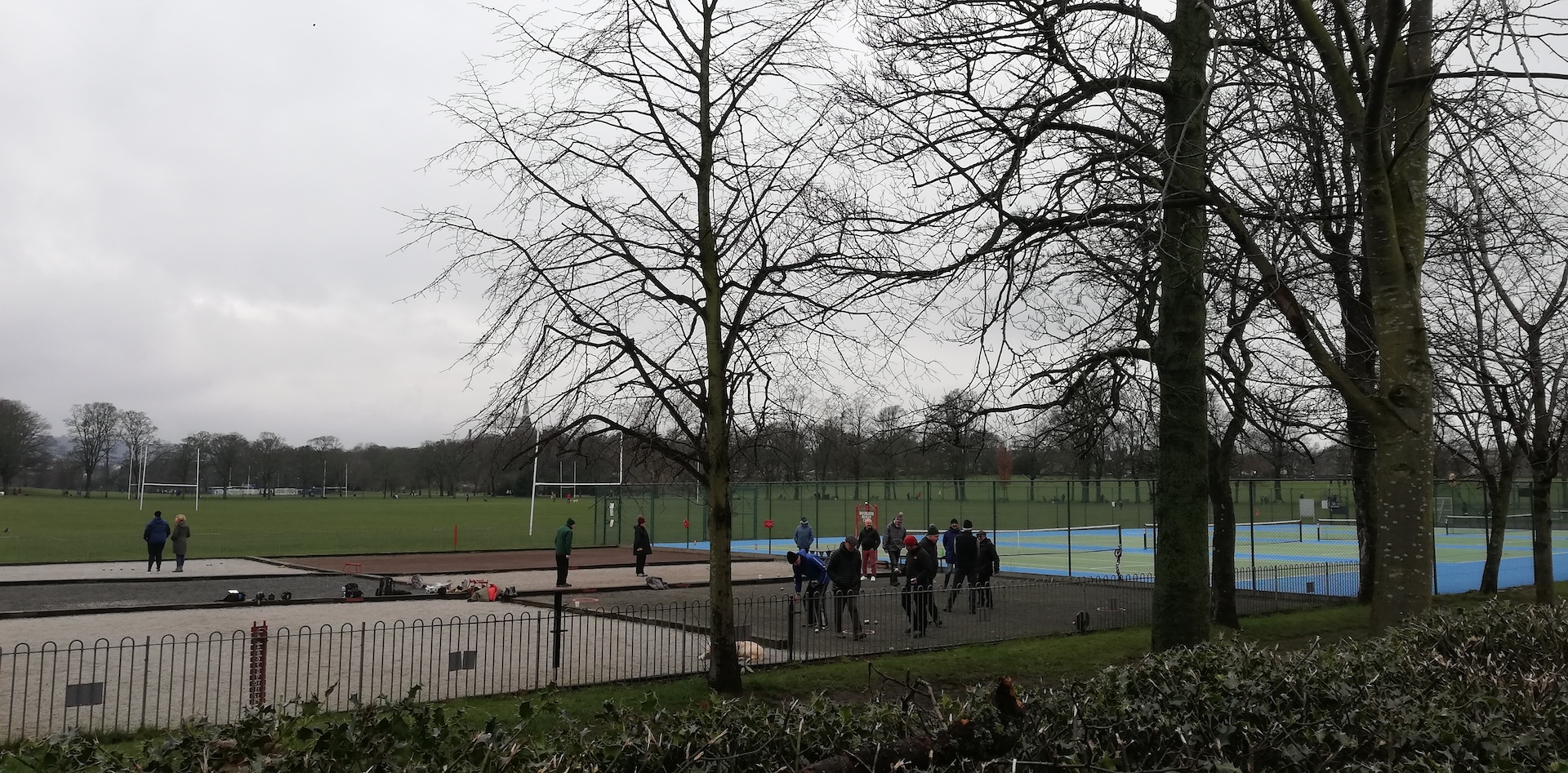
I walk through Stockbridge, a place much loved by tourists (I try to avoid these places) and the most direct way to my destination. Near on the west side of Arboretum Avenue Scottish locals are playing Pétanque, a typical French sport played in summer.
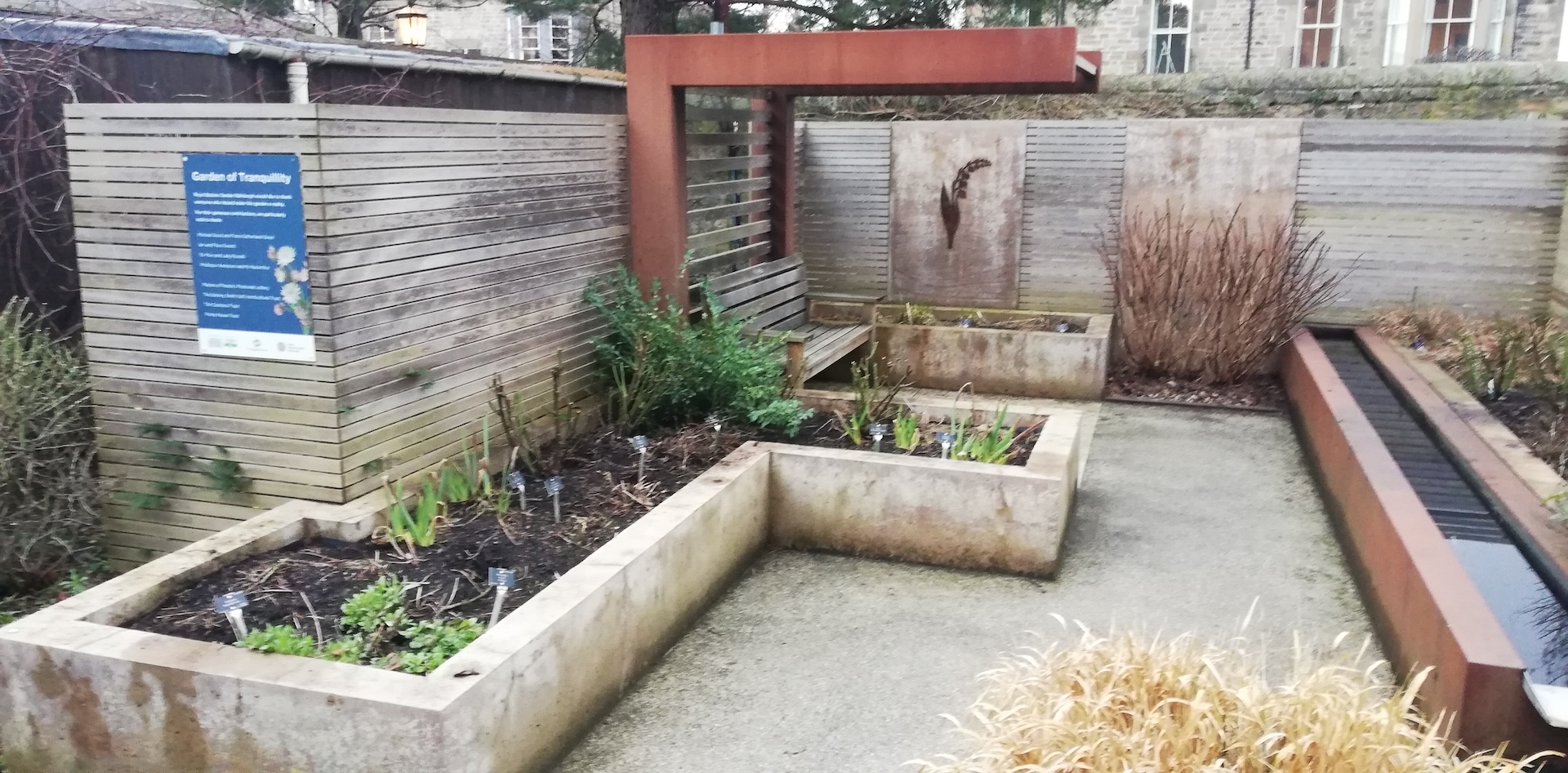
At the Royal Botanic Garden, I meet Christine, who helped me contact Thomson’s next of kin. It has been more than two years since I have seen her and we have a long chat to catch up. In between we drink coffee and have a scone. Before the Botanic Garden closes, we cross it from west to east. Because Christine is a volunteer in the Gardens, she has many stories.
We both have to take another bus. I have another stroll before I get on the bus, perfectly timed to enjoy the lovely colours in the open but still grey sky.
This research trip is partly sponsored by a grant from the Scottish Mountaineering Trust