Racecourse
Burton Lazars is well known for its leper hospital (or as recently discovered a preceptory) and race meetings. Both have left sparse traces in the village’s landscape. The hospital vanished in the Middle Ages. The racecourse meetings were frequently mentioned in the 19th century illustrated newspaper, The Sphere, an early 20th-century magazine, The Tatler, tattler (with two t’s) meaning gossip, and the Illustrated Sporting and Dramatic News, a weekly magazine.
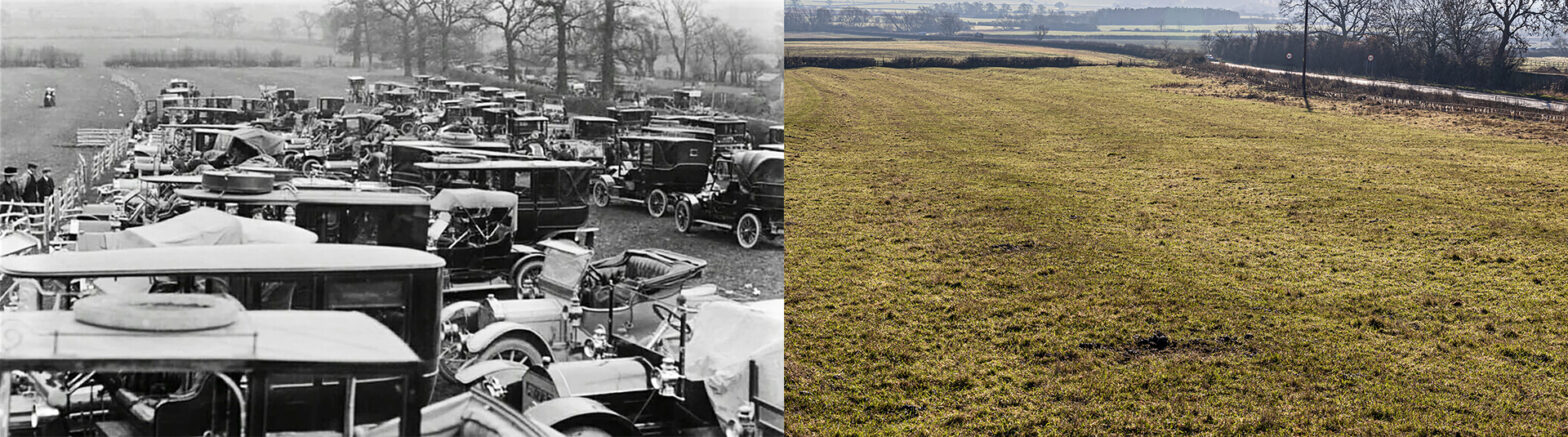
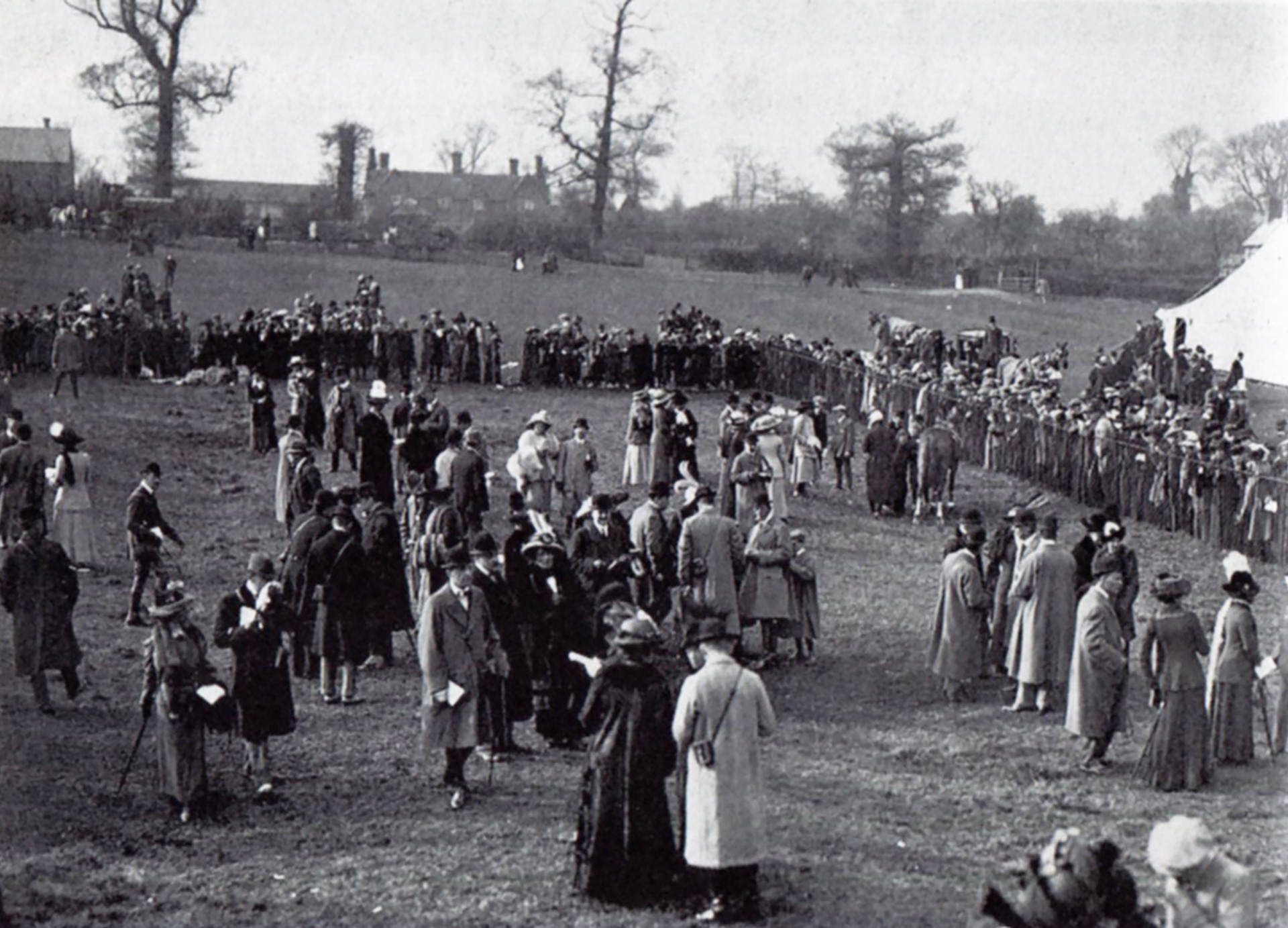
The old picture was taken at an annual famous society event, the Melton Hunt Steeplechases, dated 30 March 1910. A selection of the most fashionable cars is parked in a field adjacent to Melton Road, where there are further vehicles parked. The ridge and furrow pattern created by the Middle Ages ploughing system is visible in both pictures. “The original use of the field was for crops tenanted by the Hartopp family,” said Robert de Worts, who’s very knowledgeable about the village’s history. “Later uses were whippet and lurcher racing, and even chicken fighting. Local farmers and the gentry wagered from very early times in the 1500s.”
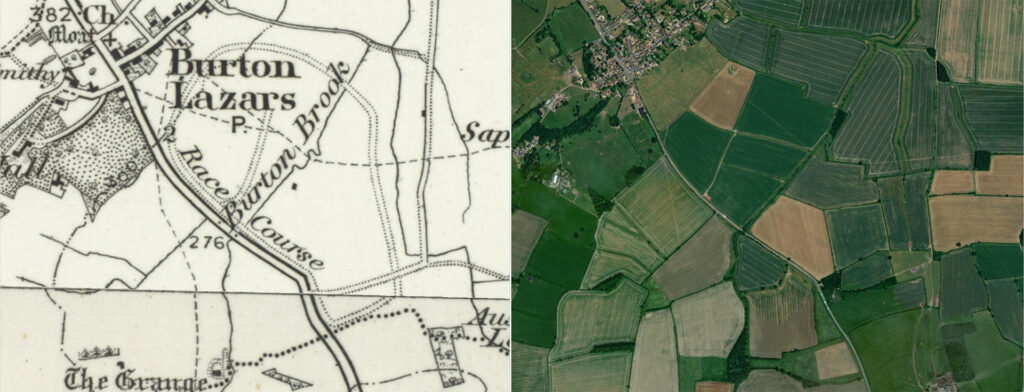
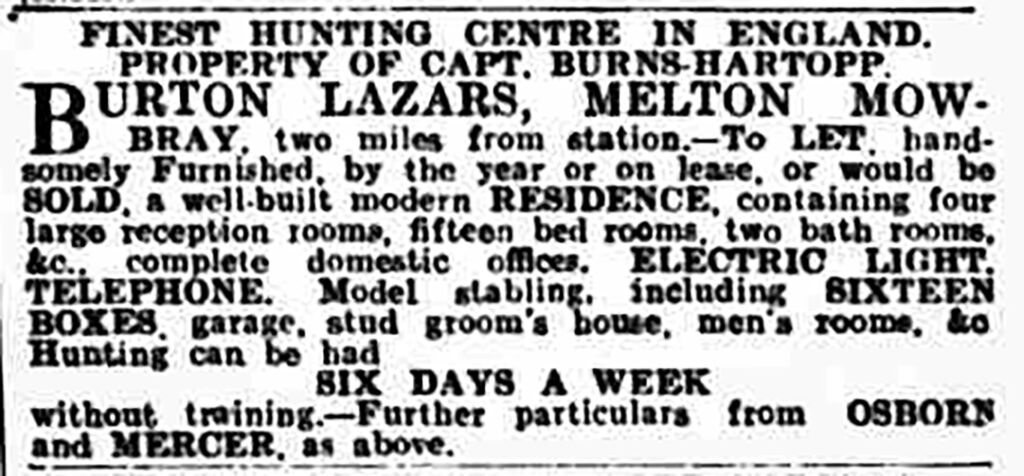
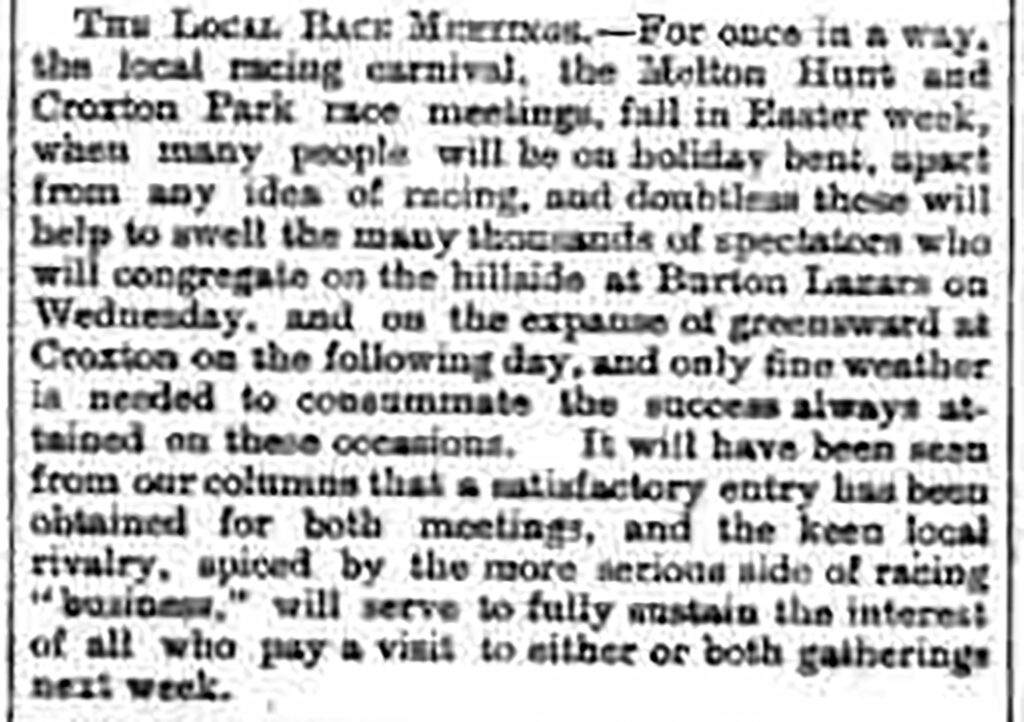
Robert continued: “The early horse meets and steeplechases were organised by the Melton Hunt Committee, which met at the Burton Arms pub, adjacent to Old Hall. The local farmers drank ale and discussed what should be held on the course.” In the beginning, the course, situated between Burton Flats and the Leesthorpe Hill, was temporarily laid out with flags for the annual races, which were generally held on a Monday in March. The National Hunt Chase Challenge Cup, now contested at the annual Cheltenham Festival in March, was organised at Burton Lazars on three occasions, the first on Saturday 2 April 1864.
“In that first race, Game Chicken came second to Cooksboro’. The tale goes that John Walker Benskin appealed to the stewards that the winning jockey was neither a farmer nor a gentleman and should not be classed as the winner. The appeal was upheld, notching Captain Arthur Smith another winner,” told Robert. “There was an argument about who owned the horse after a gambling do in the Burton Arms between a Captain Arthur Smith and John Walker Benskin who both had served in the same regiment during WW1. Captain Smith owed his life to Benskin after saving Captain Smith’s life from when his leg had been blown off in a mortar hole. In the end, they settled the difference with a fight. Neither won, so they shook hands, split the winnings and carried on drinking.
John Slusar wrote on his website Greyhound Derby: “In 1871, at the second National Hunt Chase Challenge Cup held in Burton Lazars, Daybreak, also ridden by Captain Arthur Smith, was successful, while Friar John won in 1901 in the hands of Herbert Sidney.”
The meeting on Monday 7 April 1897 was a personal triumph for local jockey Mr W Gale who was successful on all of his 5 rides.
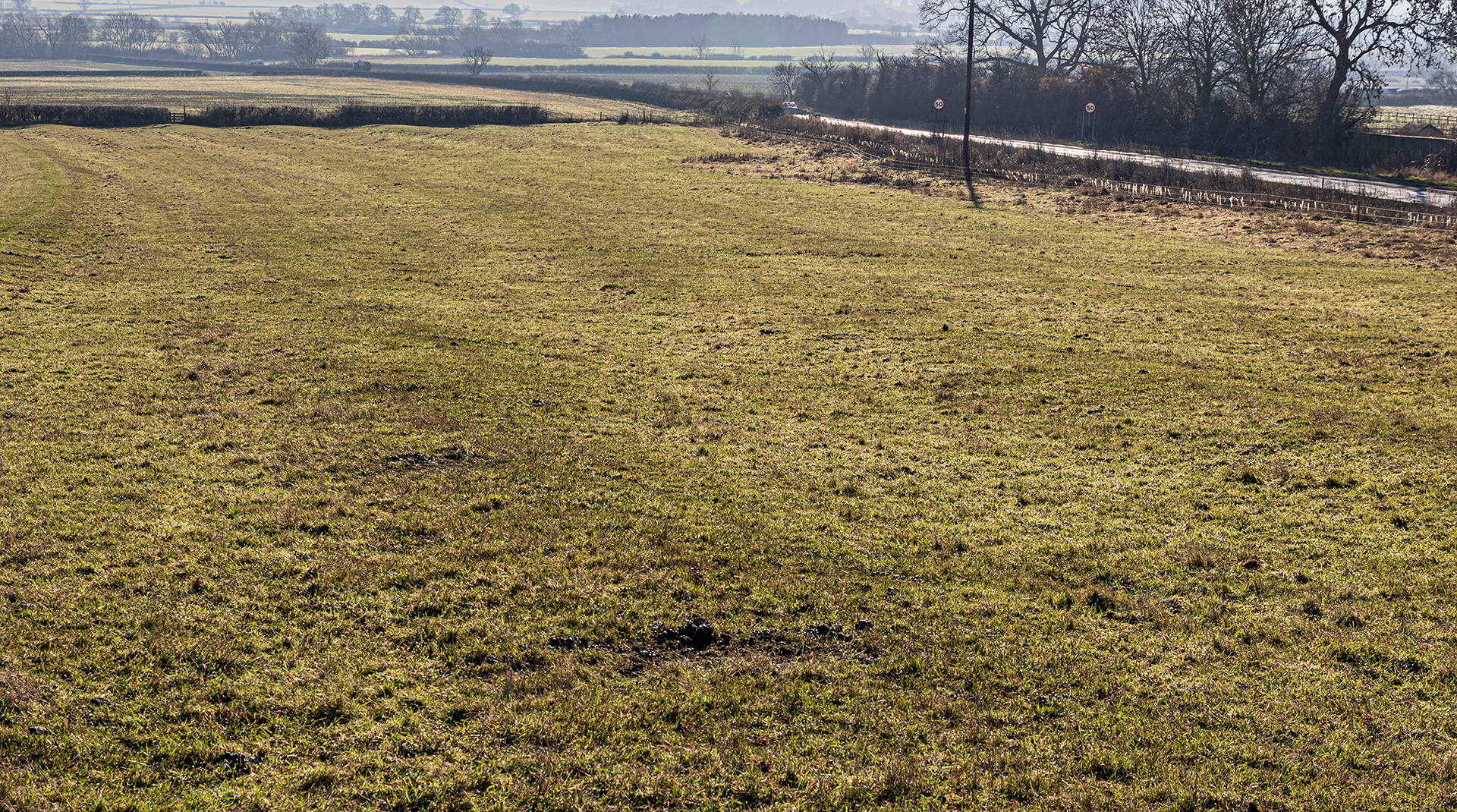
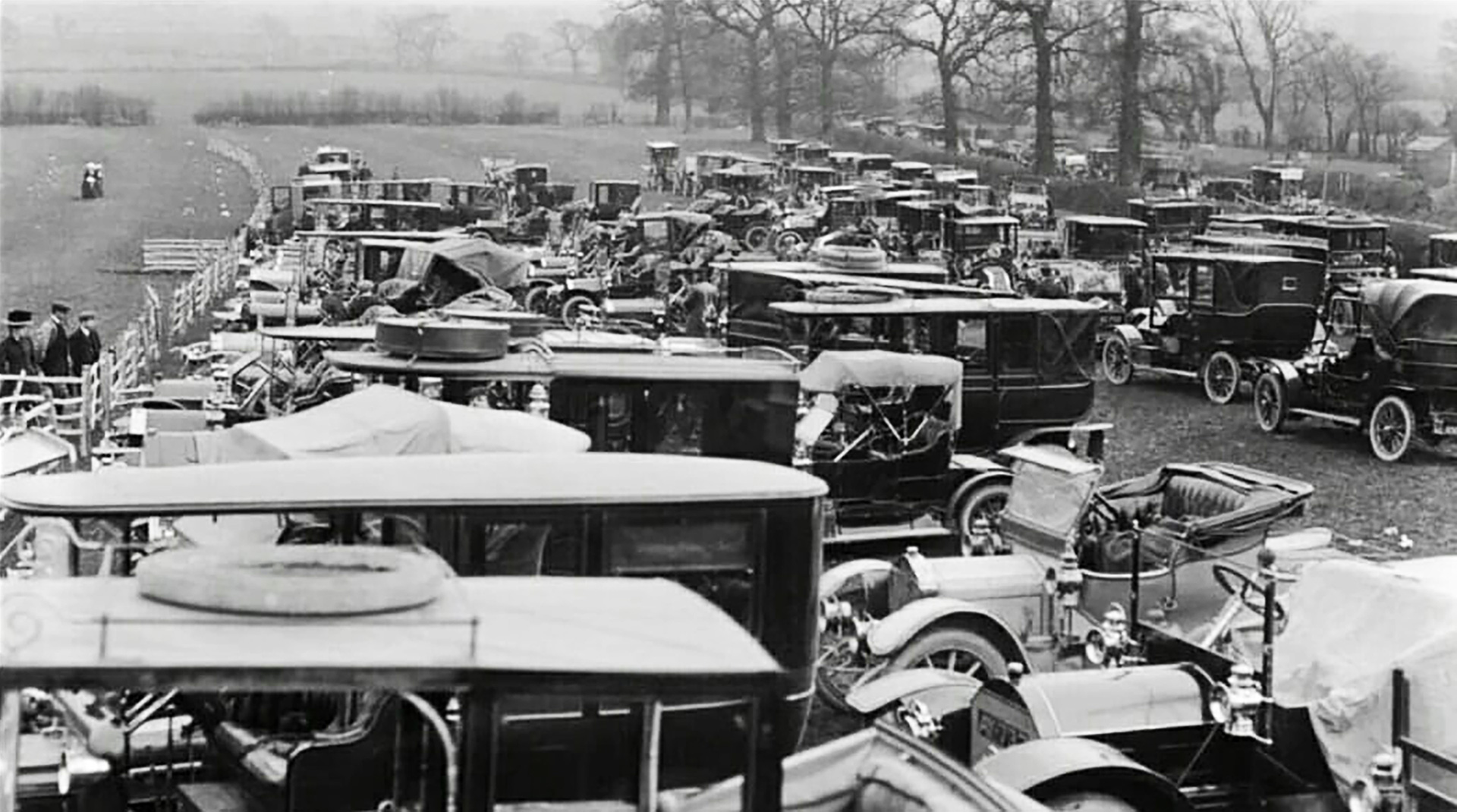
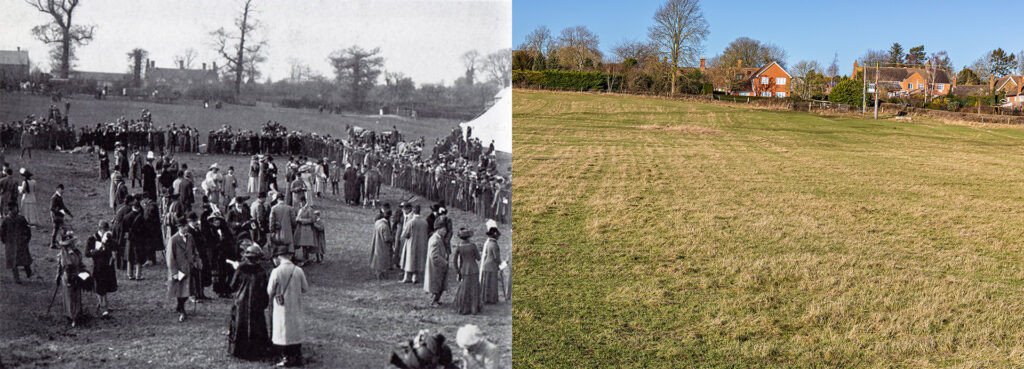
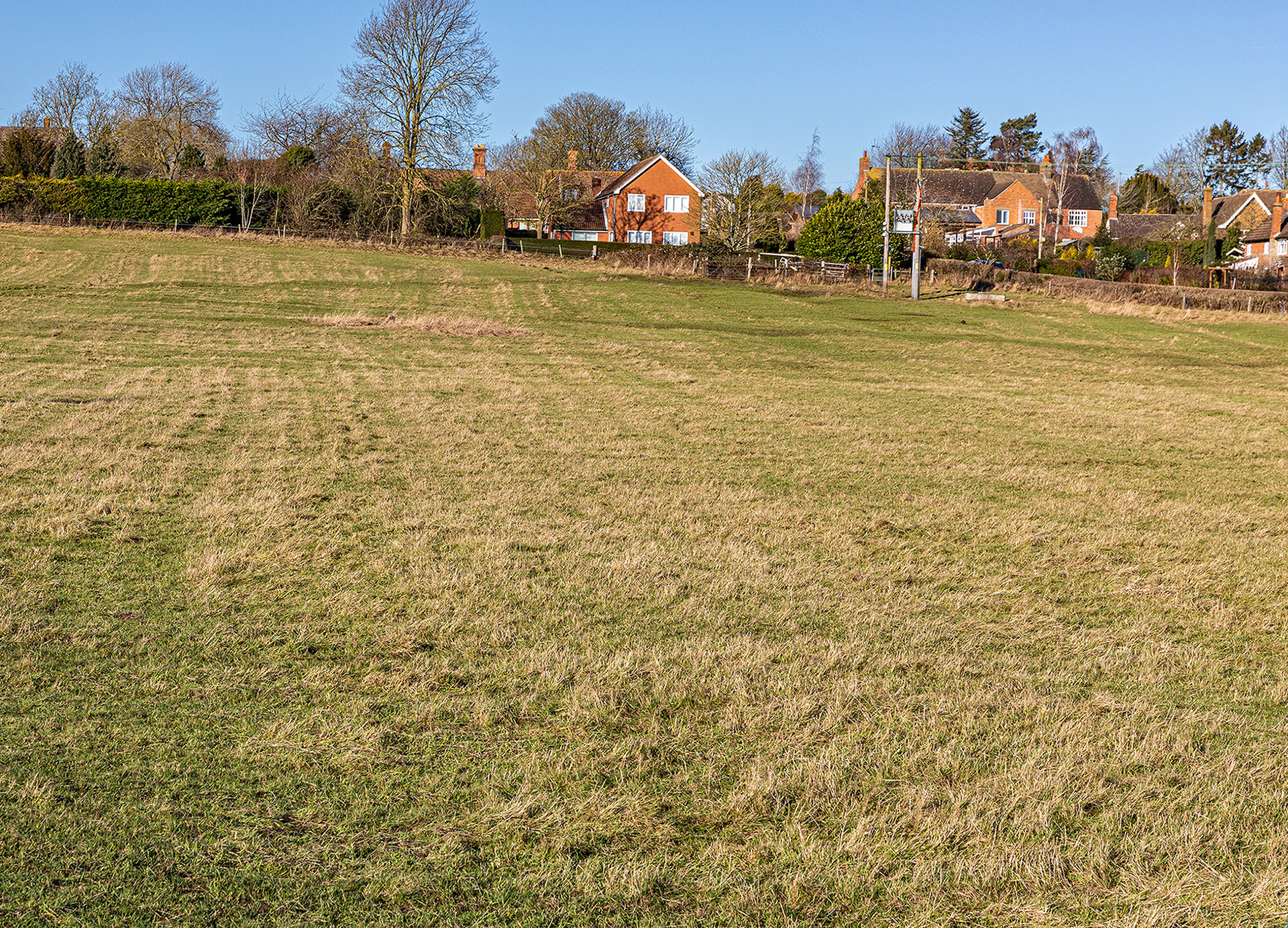
Looking south from the bottom of the field, the buildings on the horizon from left to right in the old picture are Manor House (partly), The Stables, Greenways and the cottages in Racecourse Lane (hidden behind the tent). You can spot them all in the remake.
In the early 1920s, the Hartopp family took the event upmarket and excluded farmers and other folks. This did not go down well, and the locals formed their own group and raced at the far end of the village at East Farm.
Robert de Worts: “Even Edward, Prince of Wales, and the Duke of Gloucester often attended, with tea on the lawn at Old Hall, some gentry staying in the village for the duration of the races.” The Prince of Wales rode Kinlark in the Open Steeplechase Plate in 1923, finishing a very creditable fourth. At that meeting, the Prince of Wales brought Prince George with him, and they both stayed at the Craven Lodge Club overnight.
“My grandad built a wooden hut at the racecourse to take bets and wore his Sunday best. Nobody commented that he was a farmer!” concluded Robert. The final meeting took place on Saturday 27 March 1939, although after the Second World War, successful point to point meetings were held, continuing today at Garthorpe. What is left in Burton Lazars are many memories and a short street named: Racecourse Lane.
Mike Mayfield recollected: “We lived at the bottom of Racecourse Lane [in the cottage you can spot on the right of the picture hidden behind the white tent, the cottages are still there] from 1953 to 2010 and have many memories of the Racecourse buildings, which sadly have now all gone. At that time, there was a bungalow still inhabited, having previously been the jockey’s changing rooms and toilets. All of the lands on which the Racecourse stood is owned by the Thomas Cook Estate, as is most of the adjacent village of Little Dalby.”
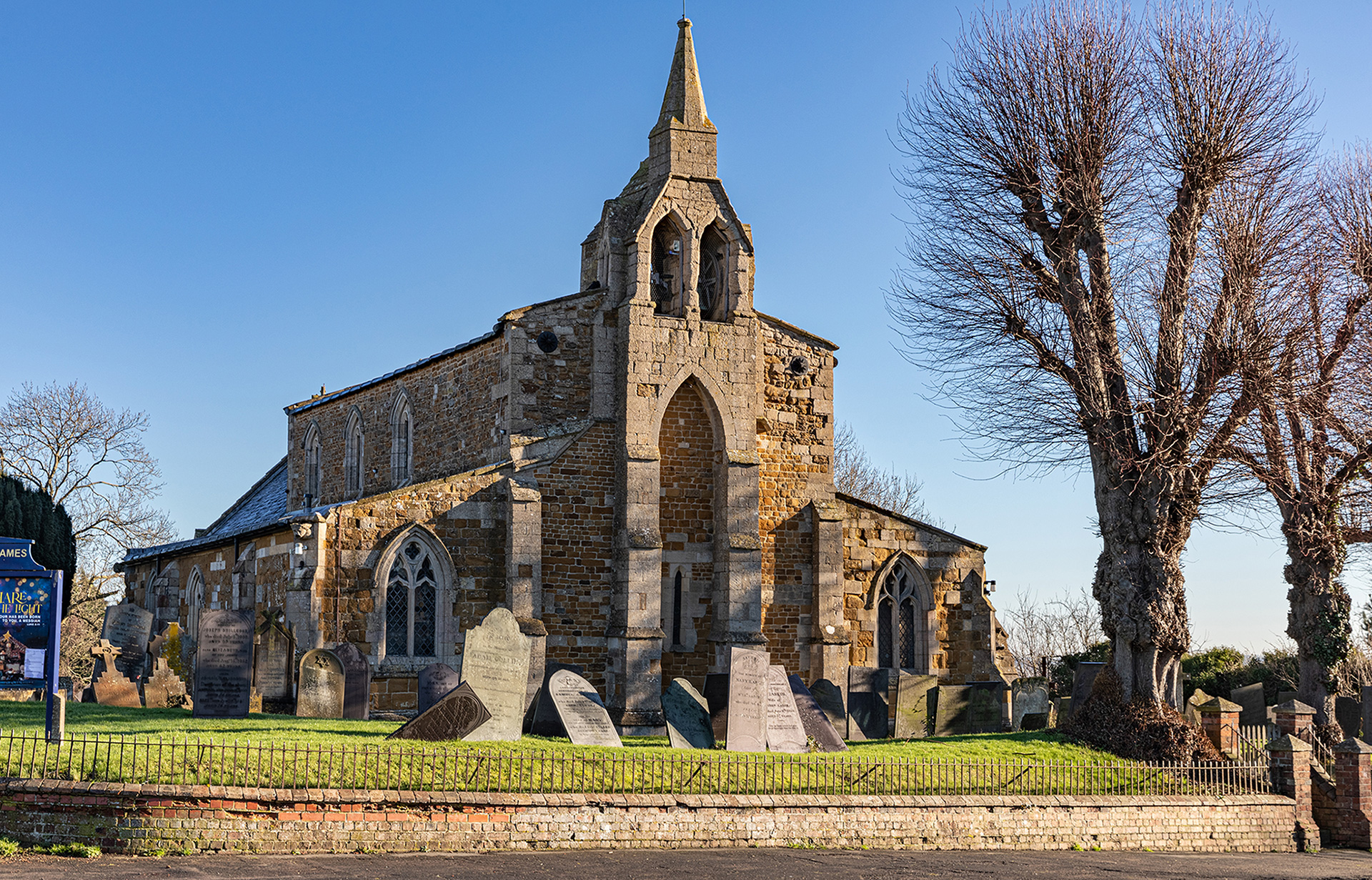
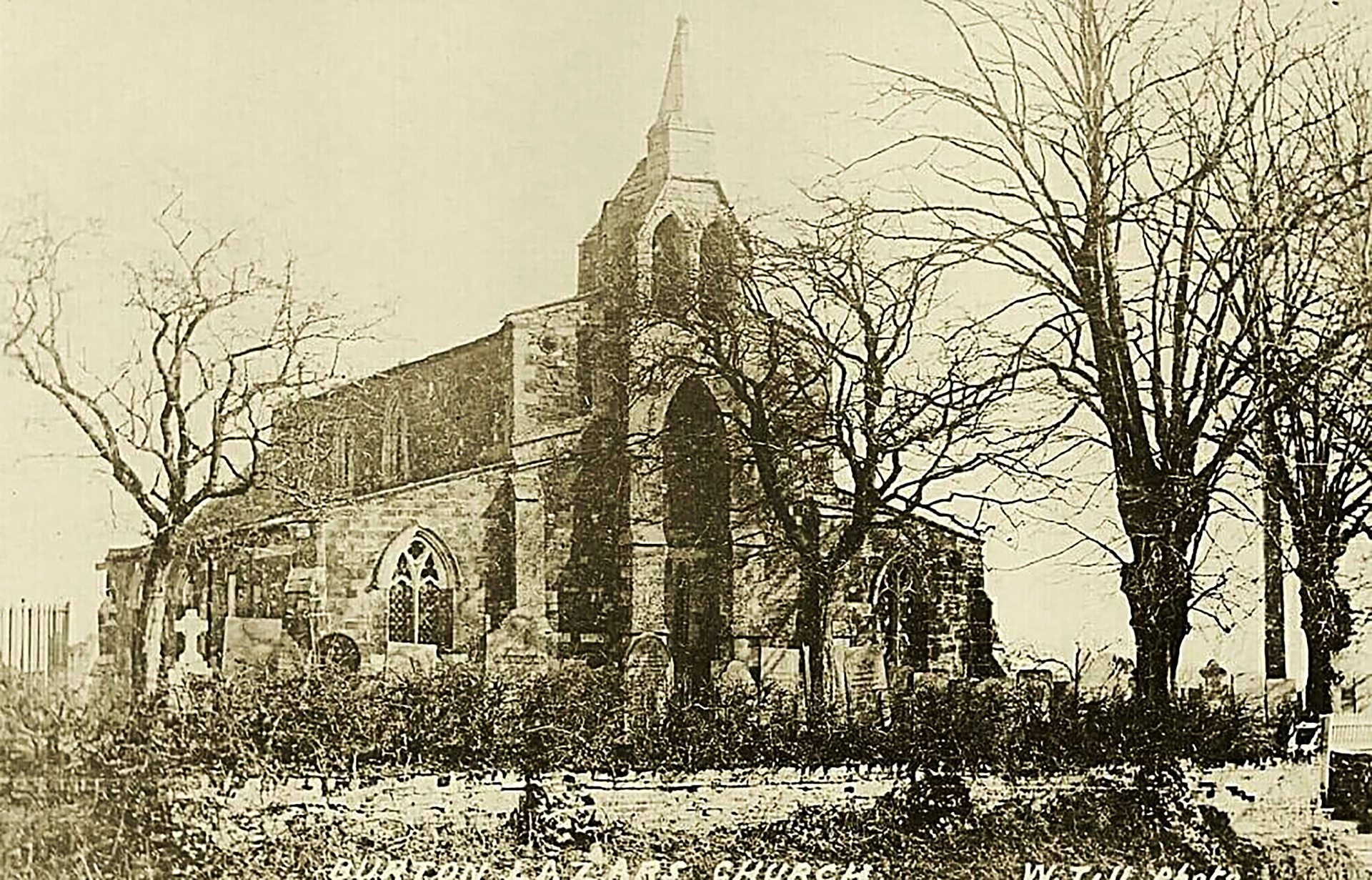
Saint James Church
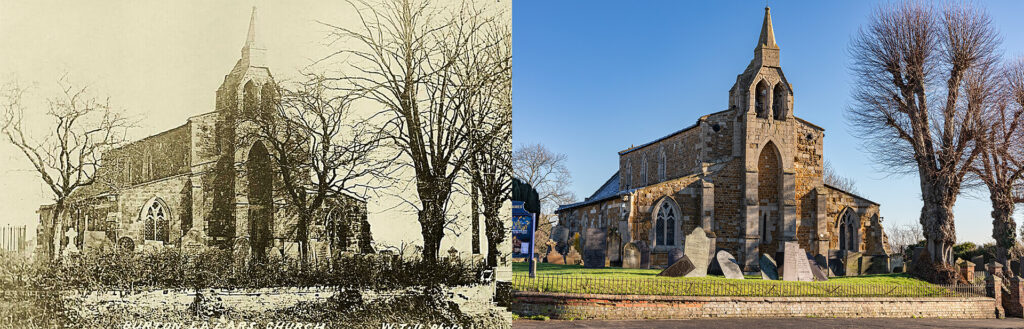
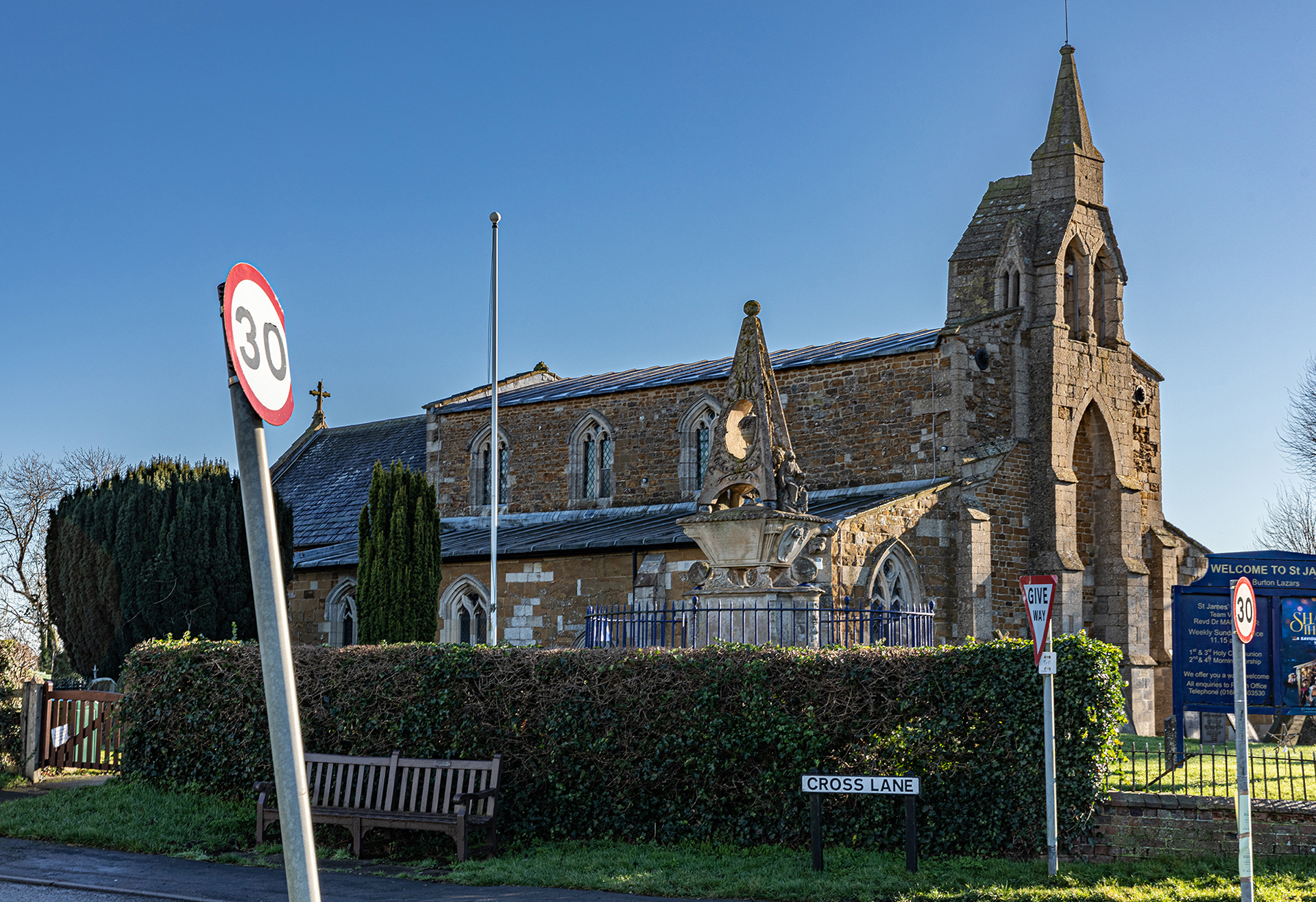
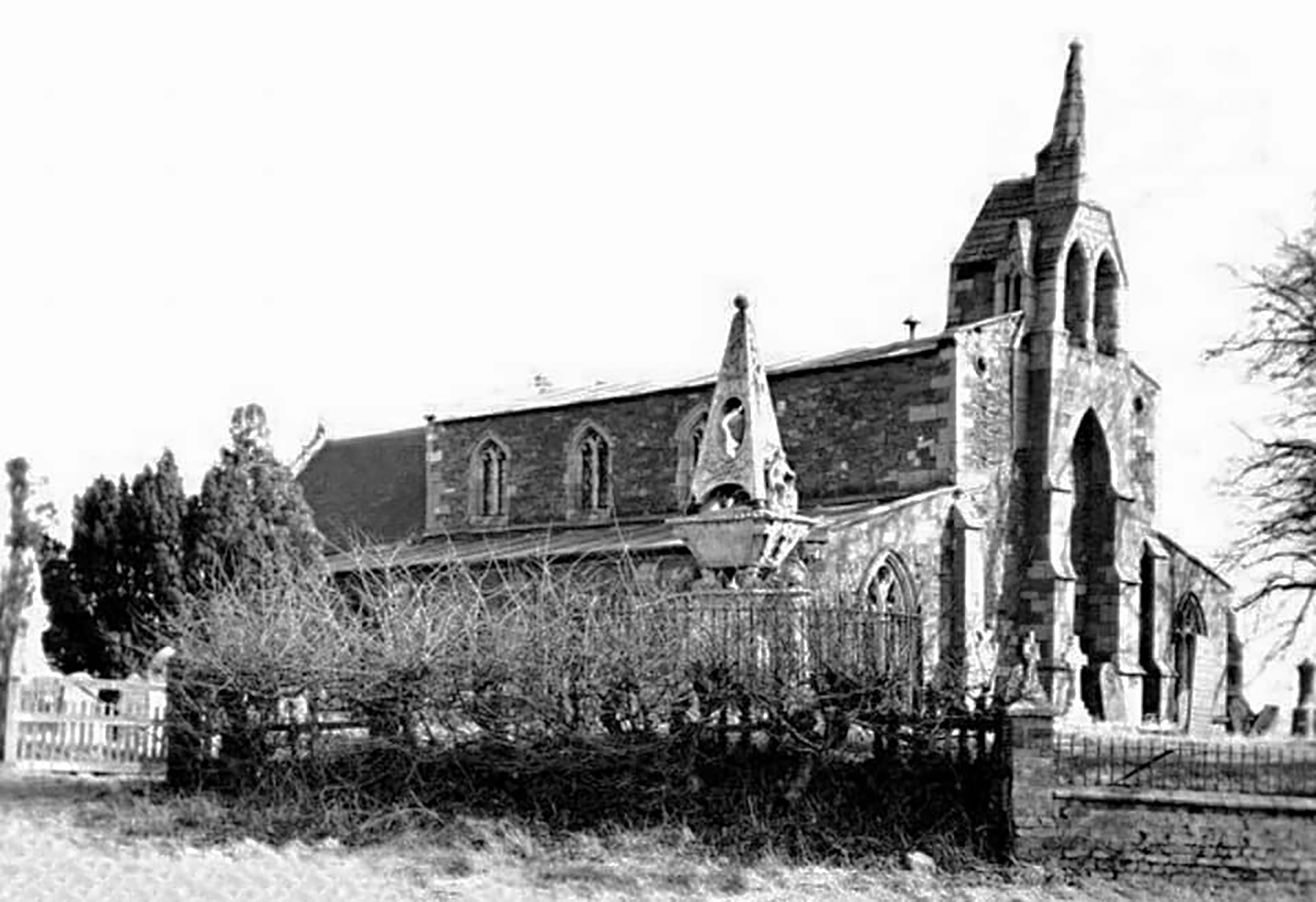
The Grade I listed Church of Saint James is late-12th century, with 13t, 14th and 15th-century features. H. Goddard restored the church and rebuilt the chancel in 1850. Two bells are hung from the curious but handsome little bell turret at the west end of the church.
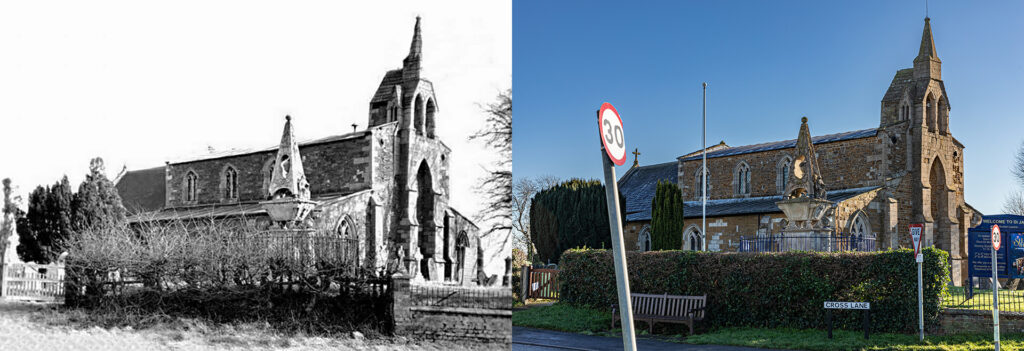
Looking at the north side of the church from Cross Street, you can spot a remarkable 20-foot high monument in the churchyard. This Georgian memorial, achest tomb surmounted by an elaborate monument, was erected in 1781 to the memory and vanity of a local weaver, William Squires. It is adorned with carved figures representing Life, Death, Time, Faith, Hope and Charity, as well as a stone globe of the world. The monument is surrounded by a spiked railing. The Squires’ monument is Grade II listed.
New Road
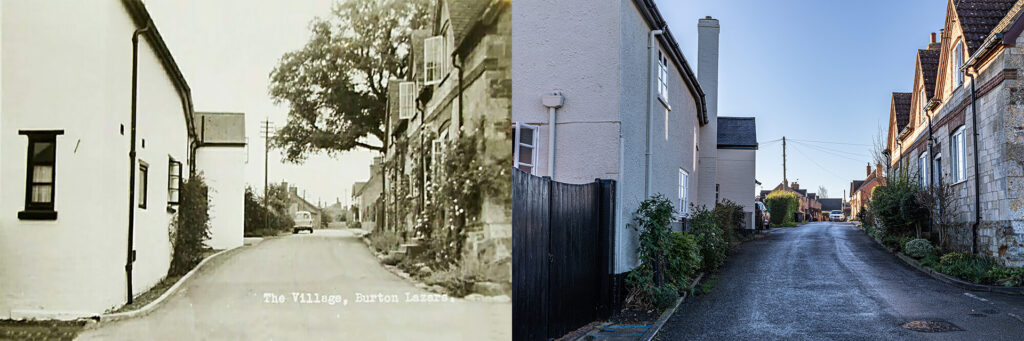
The oldest part of the village is along New Road which developed with a number of farmsteads and traditional rural cottages with later infill dwellings and small scale pastures to the rear of the dwellings.
Robert de Worts – Robert de Worts: “The Manor House on the left was built in the early 1860s and was occupied by the Slipcoat and Hartopp family. The original Manor House was Old Hall at the far end of the village near East Farm. Peppers Lane, on the picture at the right, comes from a family named Pepper. The first was Thomas Pepper who lived at Sycamore House, the building on the right, in the 1800s. I think Tom Pepper was the last or near the last of the family in the 1960s. Sycamore House was originally a 17th-century merchants house occupied by the More family. A latter house built upon the earlier stone footings, with a date stone on the end gable, dated 1741, when the house was enlarged.”
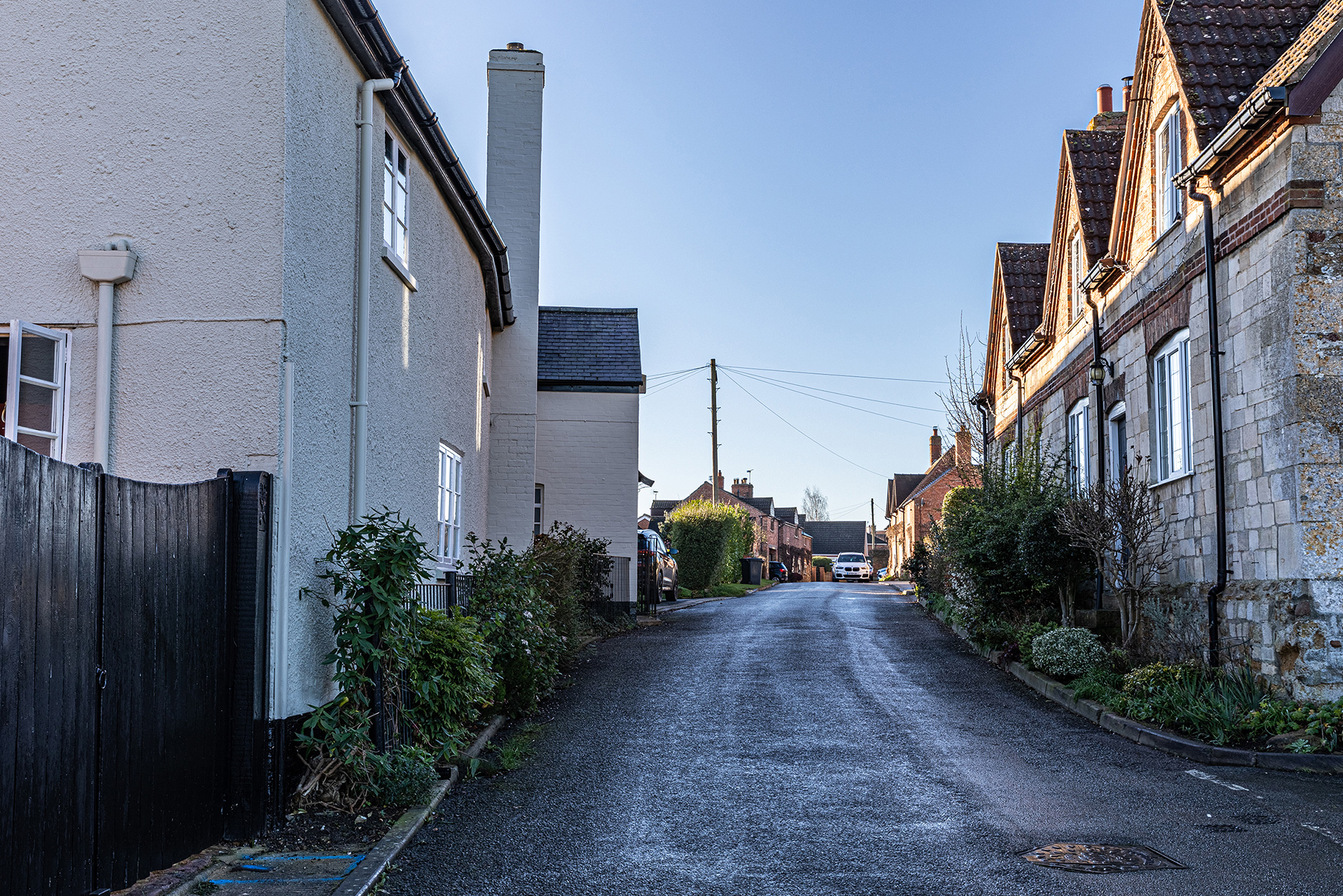
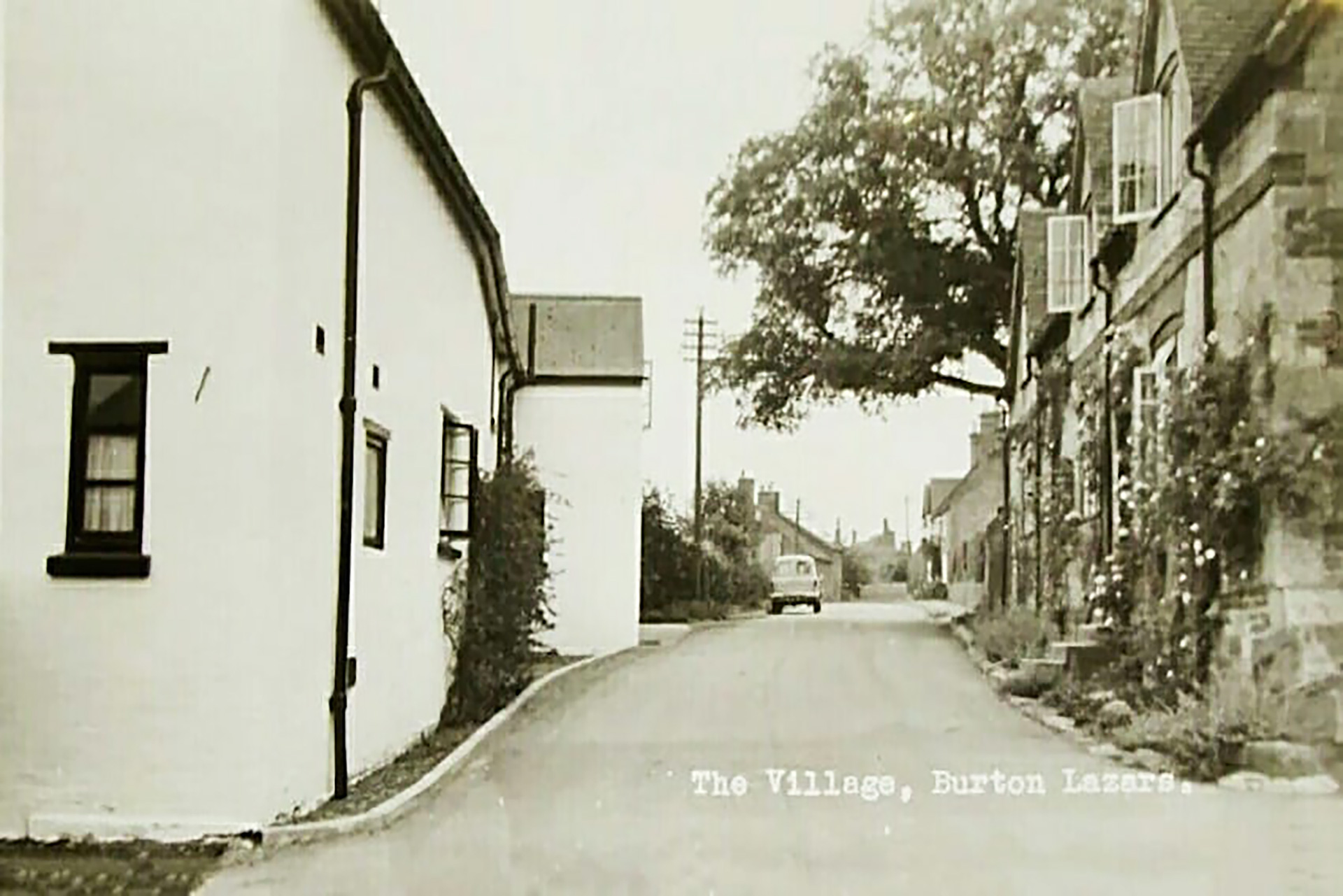
On the village
And what about the (his)story of the leper ‘hospital’? “The site which is commonly called the leper hospital wasn’t a hospital at all,” told Angela Child. “25 years research by the group led by Dr David Marcombe and subsequent book Lepar Knights published in 2004 debunked this myth and should be referred to as a preceptory – a community of the Knights Templar, or the physical buildings or estate of such a community – and not a hospital.” Robert de Worts added: “The healing was used from the springs in the village and the Old Hall was such a place.”
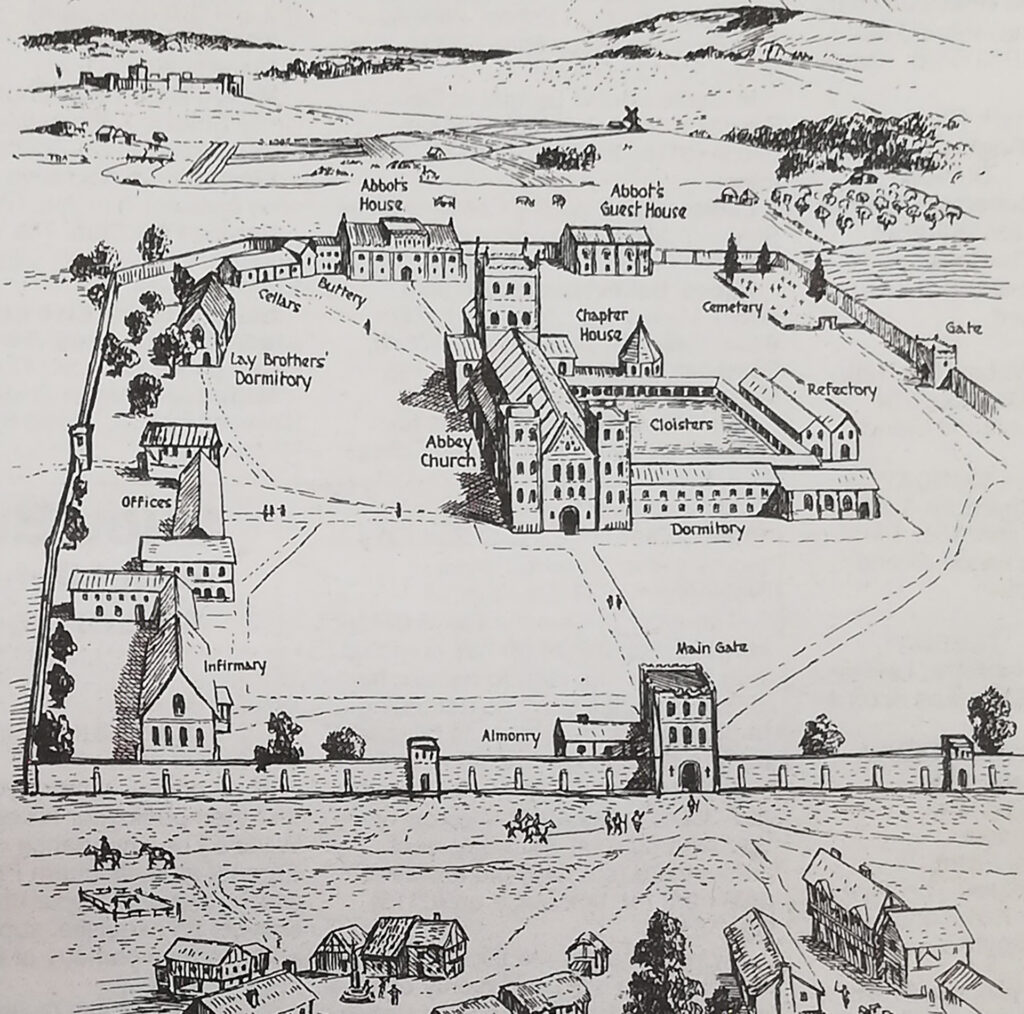
The site is well preserved and includes a diverse range of features amongst which are a moated site and fishponds. Limited excavations have confirmed that buried remains, including those of major buildings, survive. The website of Historic England gives a detailed description of the complex that “is defined by a series of earthworks enclosed within a bank and ditch boundary which survives on all but the eastern side. The earthworks represent the foundations of buildings including the infirmary, chapel and domestic ranges. These are surrounded by an elaborate system of ditches and ponds, some of which appear to have been used for treating the sick and infirm. The boundary ditch is about 0.5m deep and 6m wide, with a bank about 0.5m high located on the inside. In the northeast corner of the complex is a moated site believed to be contemporary with the hospital.”
You can read a detailed history of the founder and its successors on the British History Online website, as an extract published in A History of the County of Leicestershire: Volume 2, ed. W G Hoskins and R A McKinley (London, 1954).
Burton Hall, formerly known as Burton Lazars Hall, lies to the west of the village and was described in Kelly’s Directory for Leicestershire and Rutland for 1881 as a handsome stone mansion in the course of construction. Located in a parkland setting, which was once an early deer park, the Hall is approached via a drive through Bottom Park. There are a number of elaborate outbuildings including The Lodge on Lime Street which was occupied by the head gardener. Built in 1881 for Captain Sam Tudor Ashton, the Hall has now been converted to flats.
Would you like to add your story and recollection? Leave a comment at the bottom of this page or send a message.
More pictures
Would you like to add pictures? Send a message.
Domesday Book
Burton [Lazars] was a settlement in Domesday Book, in the hundred of Framland and the county of Leicestershire.
It had a recorded population of 28.1 households in 1086, putting it in the largest 40% of settlements recorded in Domesday (NB: 28.1 households is an estimate, since multiple places are mentioned in the same entry), and is listed under 3 owners in Domesday Book.
- Land of Henry of Ferrers

- Households: 1 villager.
- Ploughland: 1 lord’s plough teams. 0.5 men’s plough teams.
- Other resources: Meadow 2 acres.
Valuation
- Annual value to lord: 10 shillings in 1086; 5 shillings when acquired by the 1086 owner.
Owners
- Tenant-in-chief in 1086: Henry of Ferrers.
- Lord in 1086: Robert (the hunter).
2. Land of Roger of Bully

- Households: 5 villagers. 4 smallholders.
- Ploughland: 4 ploughlands. 1 lord’s plough teams. 2 men’s plough teams.
- Other resources: Meadow 3 acres.
Valuation
- Annual value to lord: 1 pound in 1086; 1 pound when acquired by the 1086 owner.
Owners
- Tenant-in-chief in 1086: Roger of Bully.
- Lord in 1086: Richard.
3. Land of Geoffrey of la Guerche
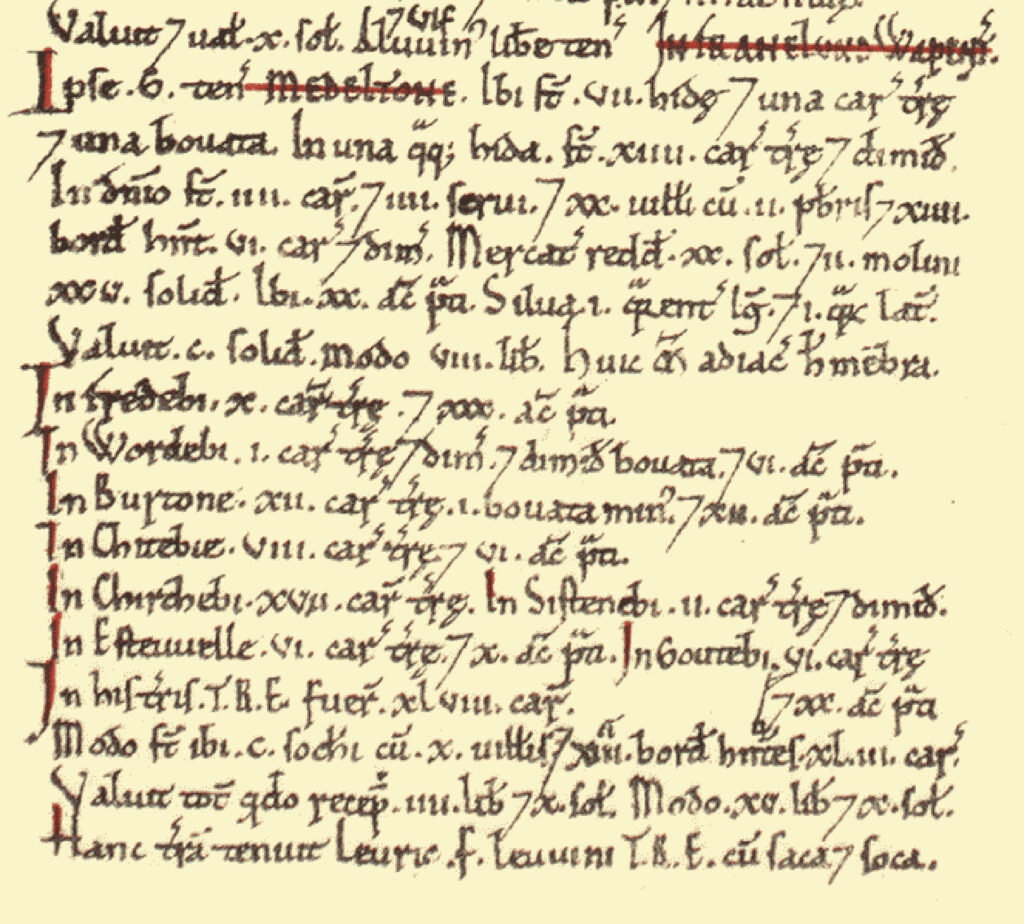
- Households: 30 villagers. 100 freemen. 27 smallholders. 4 slaves. 2 priests.
- Ploughland: 48 ploughlands. 4 lord’s plough teams. 49.5 men’s plough teams.
- Other resources: Meadow 104 acres. Woodland 1 * 1 furlongs. 2 mills, value 1 pound 5 shillings.
Valuation
- Annual value to lord: 23 pounds 10 shillings in 1086; 9 pounds 10 shillings when acquired by the 1086 owner.
Owners
- Tenant-in-chief in 1086: Geoffrey of la Guerche.
- Lord in 1086: Geoffrey of la Guerche.
- Lord in 1066: Leofric (the noble) son of Leofwin.
Links
- Greyhound Derby – Burton Lazars Racecourse
- British History Online – Hospitals: Burton Lazars in A History of the County of Leicestershire: Volume 2. Originally published by Victoria County History, London, 1954.
Would you like to add a link? Send a message.